



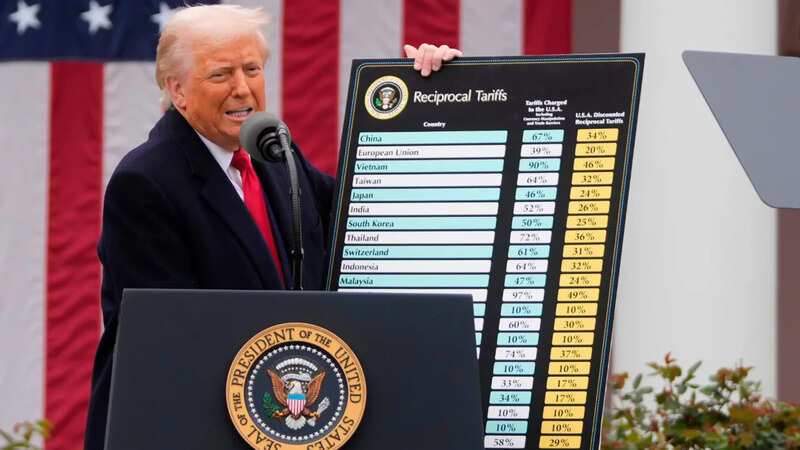
Donald Trump’s tariff policies are back in focus as trade negotiations with India stall, raising concerns for businesses and consumers alike.
Trade tensions between the United States and India have escalated as discussions regarding a comprehensive trade agreement have stalled. Former President Donald Trump’s tariff policies, introduced during his administration, are once again at the forefront of discussions.
The potential for renewed tariffs has alarmed businesses on both sides. Many are concerned about the implications such measures could have on supply chains and pricing strategies. The stalling of negotiations, which were intended to lower trade barriers and promote goods exchange, has left stakeholders uncertain about the future.
Trump’s administration had previously imposed tariffs on various Indian products, resulting in retaliatory measures from India. These events created significant ripples in the economic sectors involved. As trade dialogue falters, the reintroduction of these tariffs could reignite previous economic conflicts.
Economic analysts have expressed concerns that the imposition of tariffs could lead to increased prices for consumers and hamper economic recovery efforts post-pandemic. Businesses, notably in the agriculture and technology sectors, have cited potential losses in competitiveness and market access as critical reasons for prioritising successful negotiations.
Officials from both countries have yet to respond publicly to the implications of Trump’s returning tariff policies. However, discussions surrounding trade continue to be a significant focus for policymakers as they seek to navigate complex international relationships.
The situation remains fluid, and the impact of any potential tariff reintroductions will depend heavily on future diplomatic engagements between the US and India. How these interactions unfold could have local and global ramifications, influencing market dynamics and international business relations.