



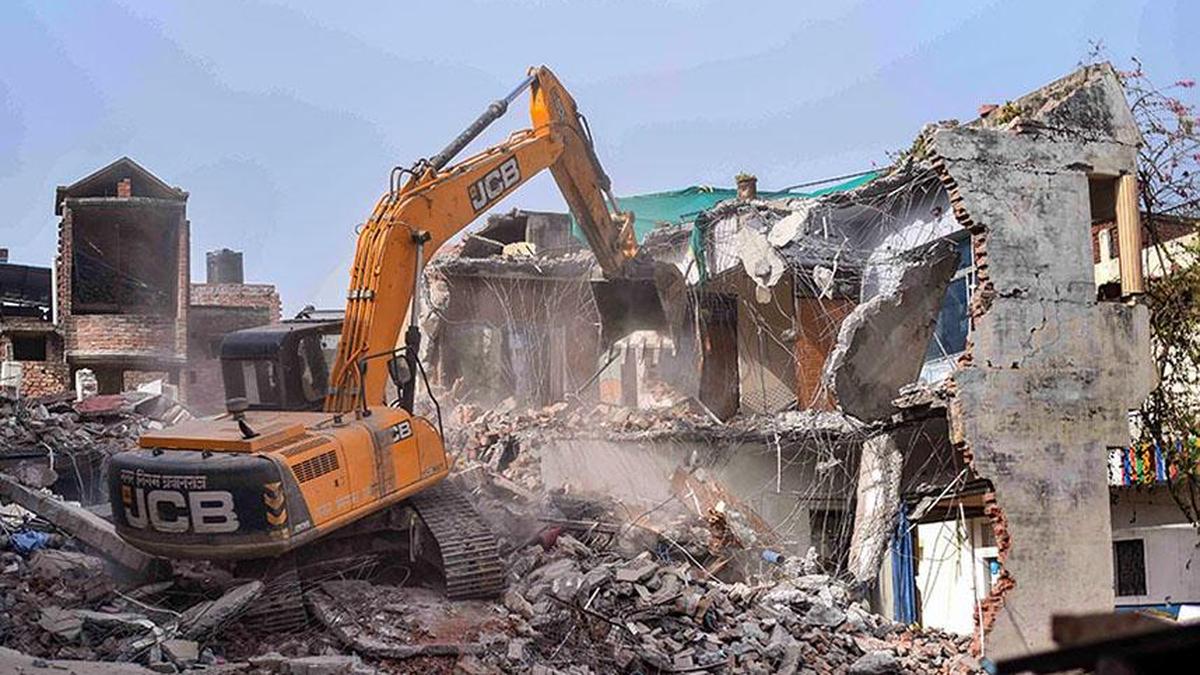
A recent ruling from the Allahabad High Court highlights issues with punitive demolitions of properties linked to accused individuals.
The Allahabad High Court has delivered a split verdict regarding the controversial demolitions of properties owned by individuals accused of crimes. Justice Atul Sreedharan addressed the implications of such actions while presiding over a case involving a family whose property was demolished following allegations against a relative under the Protection of Children from Sexual Offences Act. Justice Sreedharan, in his ruling made on July 20, indicated that state governments have continued this practice despite directives from the Supreme Court to refrain from punitive demolitions. He described these actions as a response to societal perceptions, stating that they are aimed at ‘satiating the perceived blood lust’ of the public. Justice Sreedharan remarked that the ongoing demolitions render the Supreme Court’s judgments seemingly ineffective, highlighting a culture of impunity among state actors. The judge began his ruling with a poignant couplet by Urdu poet Bashir Badr, reflecting on the hardships faced by individuals in attempting to build homes, only to see entire settlements destroyed. The case also prompted discussions about the surrounding socio-economic conditions, including poverty, unemployment, and urban migration, which contribute to the creation of unauthorised colonies often designated for demolition. Justice Sreedharan noted that even while many properties face scrutiny under municipal laws, wealth and political connections keep others safe from such actions. He pointed to the systemic corruption prevalent in India, which plays a significant role in these recurring demolitions. The division bench, including Justice Siddharth Nandan, issued separate rulings due to differing opinions on preventative measures regarding state actions. Justice Nandan’s perspective differed from Justice Sreedharan’s on the necessity of additional directions to curb punitive demolitions. The issue of corruption was further emphasized by Justice Sreedharan, who referenced the recent theft of donations at the Ram Temple, stating this incident exemplifies a severe decline in integrity within society. The ruling brings to light pressing questions regarding the balance of justice, the rights to livelihood, and the responsibilities of state authorities in India.