



Only about 57% of the people in Africa have access to electricity, the vast majority of them in sub-Saharan Africa. To meet the United Nations goal of everyone having access to affordable electricity by 2030, African countries will need to rapidly expand electricity generation.
However, generating more electricity will have an effect on available water resources and climate change. Power plants use water and emit greenhouse gases like carbon dioxide (which causes global warming) to generate electricity. For instance, coal-fired electricity emits huge amounts of carbon dioxide. Thermal and nuclear power plants use water for cooling, hydropower needs water to move its turbines, and solar panels need water for cleaning.
I am part of a team of researchers who work in the field of integrated water management modelling. We drew up a continental list of 3,139 power plants in Africa: those that are already operating, plants under construction and those planned from 2020 until 2030. We also mapped how much more water all power plants would use until 2030 and the increase in carbon dioxide they would emit.
Read more:
Cameroon could be turning waste to energy: study uncovers why it’s not, and sets out solutions
To create the list, we categorised all power plants on the continent by energy source. This includes the fossil fuels coal, oil and gas and the renewables: hydropower, wind, solar, biomass and geothermal energy. It also includes other sources such as nuclear power and waste heat.
Each power plant was mapped with precise geographic coordinates. The list includes information on each plant’s location, operating date, generating capacity, electricity output, water use and carbon emissions.
Read more:
Renewable energy could get Togo to its goals: experts identify what’s in the way
This is the most up to date and detailed list of African existing and planned power plants to 2030. We did this to provide policy makers across the continent with an open access database (publicly available) to make well informed decisions. Integrated policies address electricity access as well as water scarcity and climate change.
We found that Africa is stepping up in planning and constructing power plants. The list shows that power generation is projected to rise by 57% by 2030. The electricity generation from renewable energy plants will rise from 19% to 34% of total generation.
Overall, by 2030, 61% of Africa’s power will still come from burning fossil fuels.
Read more:
Africa’s power pools: what the G20 can do to help countries share electricity
Our research found that building all these plants will mean that Africa as a whole falls slightly short on commitments in the nationally determined contributions to meet the Paris agreement.
Africa has tapped only a small fraction of its vast solar and wind energy potential compared to hydropower.
The continent can meet its growing energy needs while protecting scarce water resources by investing in renewable energy. African countries should plan their energy and water needs together, rather than treating them as separate issues.
Increasing power generation
Nigeria, Egypt, the DRC, Ethiopia, South Africa, Algeria and Mozambique all have large hydropower, nuclear or gas-fired power plant projects planned or under construction. Morocco, South Africa, Egypt, Namibia, Ethiopia, Kenya and Ghana are investing substantially in wind and solar expansion.
Kenya, Ethiopia, Uganda and Tanzania are invested in expanding geothermal energy because of their geographical location. Countries such as Somalia and Eritrea have low levels of electricity access yet few, if any, power plants planned or constructed. This is because of conflict, political instability and weak financing and state capacity to deliver.
Read more:
Hydropower damages river systems in Africa: how more solar and wind power can solve this problem
We found that expanding hydropower will increase water use on the continent by 73%. Hydropower is one of the major causes of the decline in freshwater biodiversity. This is a problem because it affects fish that are important for local food security.
Large animals such as crocodiles and hippos – important for income from wildlife tourism – are also affected. Hydropower availability is also vulnerable to droughts and floods. For example, the drought throughout 2024 in southern Africa plunged Zambia into daily blackouts; the Kariba hydroelectric dam did not have enough water to generate the power needed.
Read more:
Lake Kariba’s rising waters bring hope to communities in Zambia and Zimbabwe
We also found that the increase in coal-fired and gas-fired electricity is the biggest contributor to an increase in carbon dioxide emissions of 19% until 2030. Large gas-fired power plants are being constructed and planned in Algeria, Libya, Nigeria, Tanzania and South Africa. Large coal-fired power plants are constructed and planned in Nigeria, Zimbabwe and Botswana.
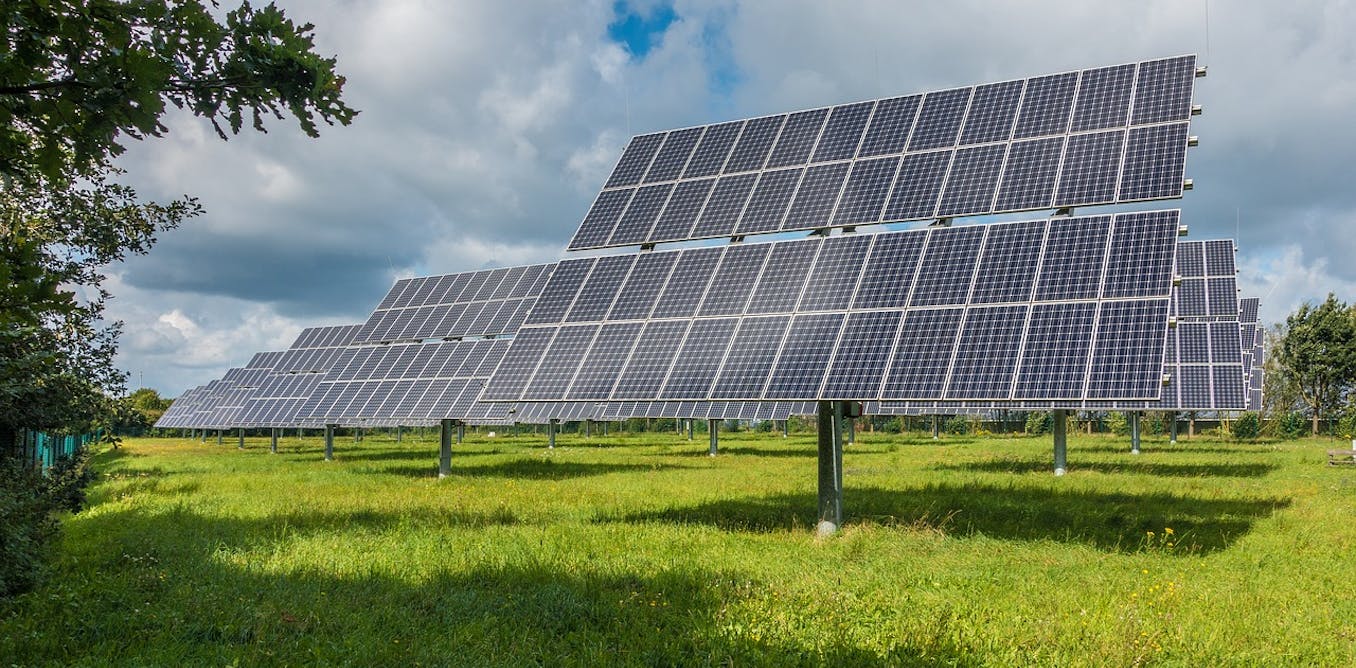
By contrast, solar panels and wind turbines use very little water and produce far fewer carbon emissions. They are generally cheaper to build and can be completed in as little as one to two years.
What needs to happen next
Energy planning needs to consider more than just how much electricity can be generated. Policymakers should also take into account how much water different energy sources use and the carbon emissions they generate. Wind, solar and geothermal use few water and generate low carbon emissions.
When planning any power project, how much water is available locally and how much water sectors like agriculture need should be taken into account.
Only by co-operating closely will government departments and countries that share river systems be able to sustain healthy aquatic ecosystems.
Read more:
Floating solar panels could provide much of Africa’s energy – new research
African countries also need to secure funding for planned power projects to prevent delays or cancellations.
The best approach is likely to combine different renewable energy sources with battery storage and reliable national grids. High-voltage transmission networks between countries are important as well as small-scale local solutions, such as solar home systems or micro-hydro turbines. These are useful in rural areas where natural streams or rivers can be harnessed to generate energy for farms or small communities.
Good water and energy policies depend on reliable data. Open-access resources such as our database (which is open to the public) can help governments, researchers and planners make informed decisions. This is especially useful where access to high-quality data is limited. As the continent develops, these tools can support more sustainable and effective planning.