



Iran and the US engage in indirect talks in Doha, aiming to mitigate tensions. Maritime disputes and regional security concerns persist.
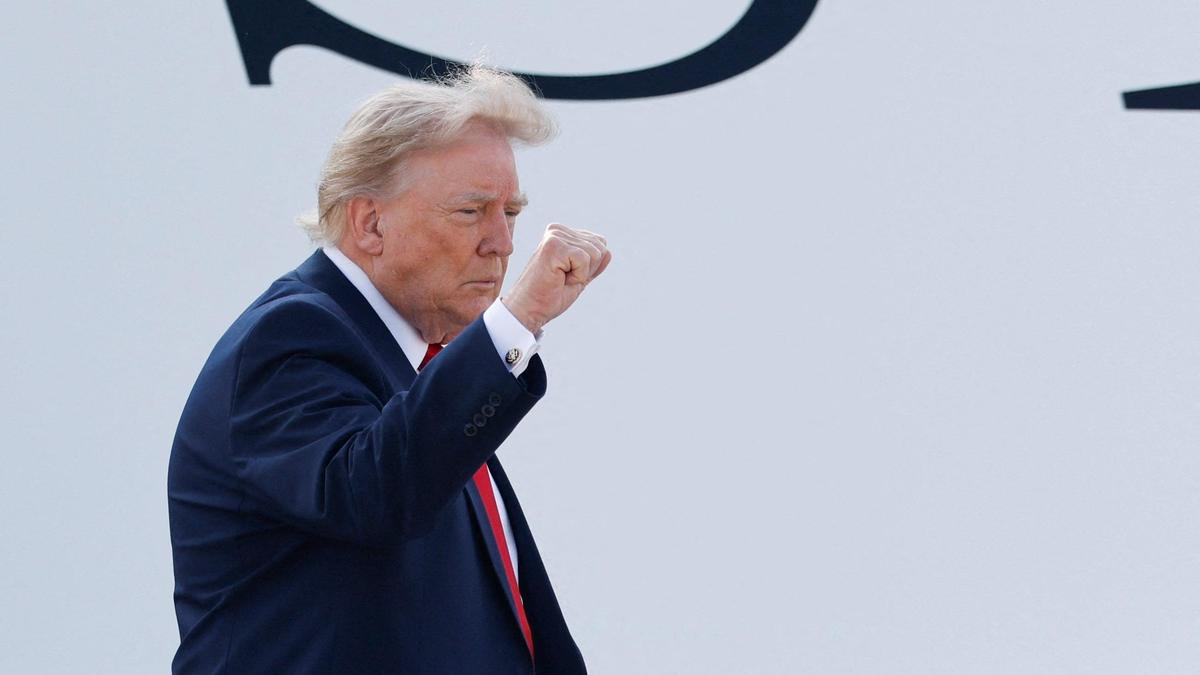
On July 1, 2026, indirect negotiations between the United States and Iran commenced in Doha, Qatar, signifying a continued effort to reduce escalating tensions in West Asia. U.S. President Donald Trump described the discussions as ‘very good meetings,’ expressing optimism regarding the potential for progress in the denuclearisation of Iran.
As part of an interim agreement, the U.S. and Iran have tentatively agreed to allow ships to pass through key waterways without charges for a period of 60 days. However, Tehran insists on maintaining control over maritime routes and plans to implement fees for passage, which has met resistance from the U.S. and several Gulf Arab nations.
This development comes in the wake of growing concern over regional security, particularly in the Strait of Hormuz, through which approximately one-fifth of the world’s oil and natural gas is transported. Recent military conflicts have resulted in significant alterations in maritime management, with Iran asserting its claims over the strait.
A top Israeli defence official, Amir Baram, urged for a new strategic architecture that includes partnerships stretching from India to the U.S. Baram highlighted the need for a new security Memorandum of Understanding between the U.S. and Israel to address the challenges posed by Iran’s military capabilities.
Following a series of attacks in the region, ship traffic in the Strait of Hormuz saw a decline, with reports indicating that numerous vessels have opted to avoid the area. Trump noted that despite previous military actions, the recent talks indicate a shift towards improved relations between the two nations.
The indirect discussions involve technical negotiations facilitated by mediators from Qatar and Pakistan, aiming to build upon a memorandum of understanding established in previous summits. Diplomats involved in the talks remain cautious but hopeful about the prospects of reaching a sustainable resolution.
Iranian Foreign Minister Abbas Araghchi condemned any threats against the country, suggesting that Iran would respond forcefully to perceived hostilities. Similarly, Israel reiterated its commitment to maintaining security zones in Lebanon, Syria, and Gaza, amidst the ongoing military operations in the region.
As diplomatic efforts continue, the complexities of regional geopolitics underscore the challenges faced by both the U.S. and Iran, as well as their allies and adversaries in West Asia. With the situation remaining precarious, the world watches closely as developments unfold in this critical part of the globe.