



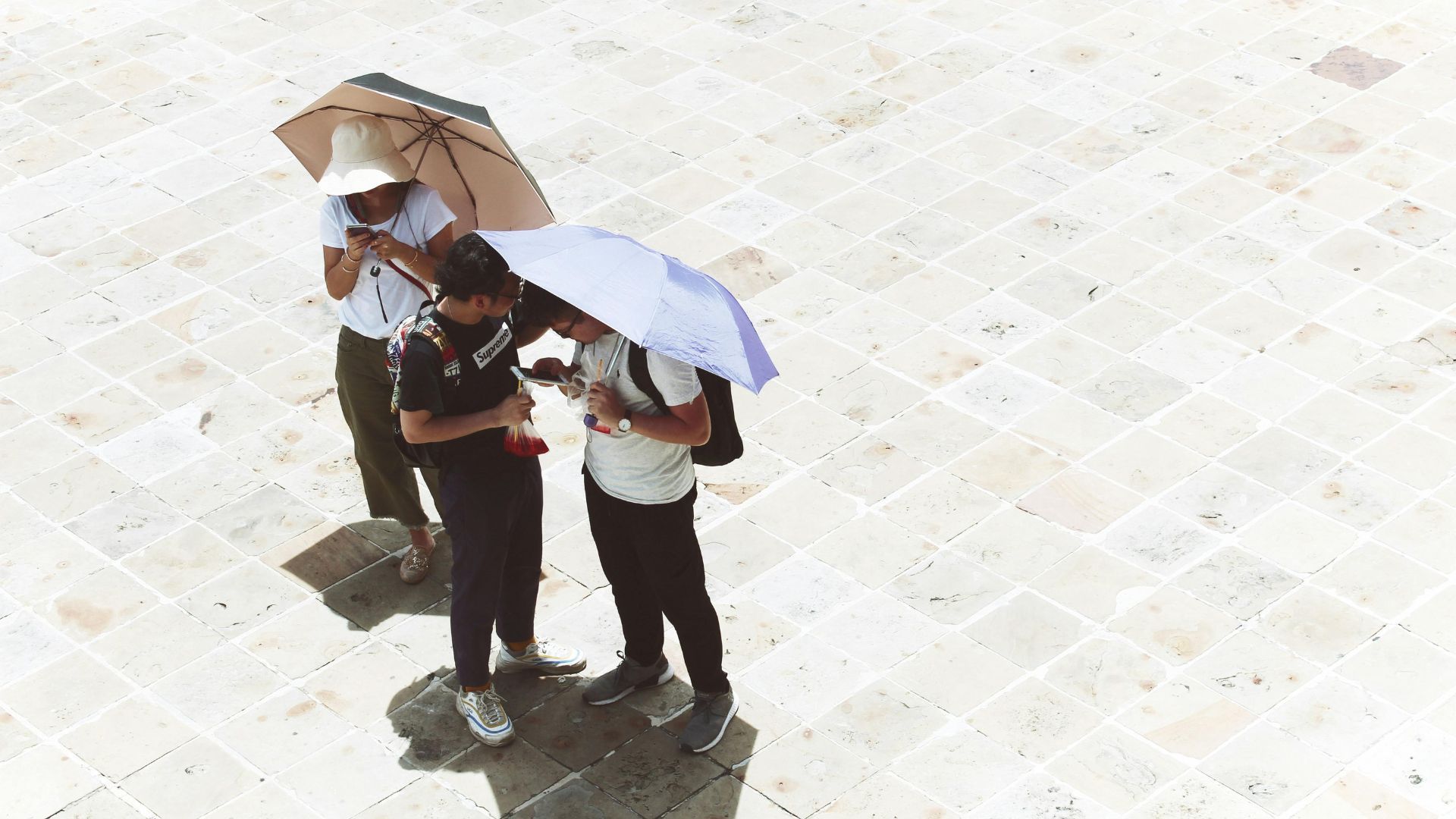
SINGAPORE: Countries in Southeast Asia are now in the middle of the hottest time of the year, and 2026 is promising to be hotter and more humid than usual.
However, for workers used to retreating to air-conditioned offices to escape the heat, this year’s energy-saving measures are making working conditions less comfortable.
So hot this year
This summer in Vietnam, temperatures in the northern and central provinces, which include Hanoi, have gone above 42°C, and in Thailand, the situation is even more intense. The heat index, which measures humidity along with temperature, has consistently reached 50°C. Meanwhile, parts of the Philippines experienced a heat index of 46°C.
In Malaysia and Singapore, the situation isn’t quite so dire, although temperatures in Kedah, Perak, and Perlis have been between 37°C and 39°C for some weeks now. The government of Singapore said at the beginning of April that there is a low risk of heatwave for the city-state, though temperatures may reach past 35°C on rare days of lower cloud cover.
A heatwave is declared in Singapore when temperatures reach a maximum average of 35°C for three days in a row, with an average daily mean temperature for this period at least 29°C.
More generally, heatwaves are defined by a succession of days when the nights do not cool down enough to give people’s bodies time to recover, and in areas of high humidity, even relatively lower temperatures may be considered part of a heat wave.
Raise the thermostat, save fuel
The heat, which scientists expect to grow more intense from mid to late 2026 due to a “Super El Niño,” unfortunately, comes at a time when governments in Southeast Asia are trying to save energy, including adjusting temperatures on office air-conditioners. Raising the set point on the thermostat of air-conditioning units by 1 degree Celsius is cited as providing around 6% energy savings.
In Southeast Asia, which has found itself as the canary in the coal mine of a global fuel crisis due to the war in the Middle East, this is not making life easier for office workers amid the summer heat.
Singapore’s official agencies have set their air conditioners to 25°C or higher, and during off-peak hours, light and lift operations have been reduced.
The Malaysian government mandated that air-conditioners be set at 24°C or higher, although it also implemented a work-from-home scheme for civil servants in administrative hubs that began on April 15. Dress codes have also been relaxed to help keep workers cooler.
In Thailand, meanwhile, where officials have been encouraged to wear more casual clothes, public sector offices have been ordered to set their air conditioners between 26-27°C.
The Philippines set a four-day workweek in some government offices to reduce power usage, and government offices have been told to set air-conditioners to at least 24°C. /TISG
Read also: WP MP He Ting Ru shares what Sengkang is doing to cope with Singapore’s heat