



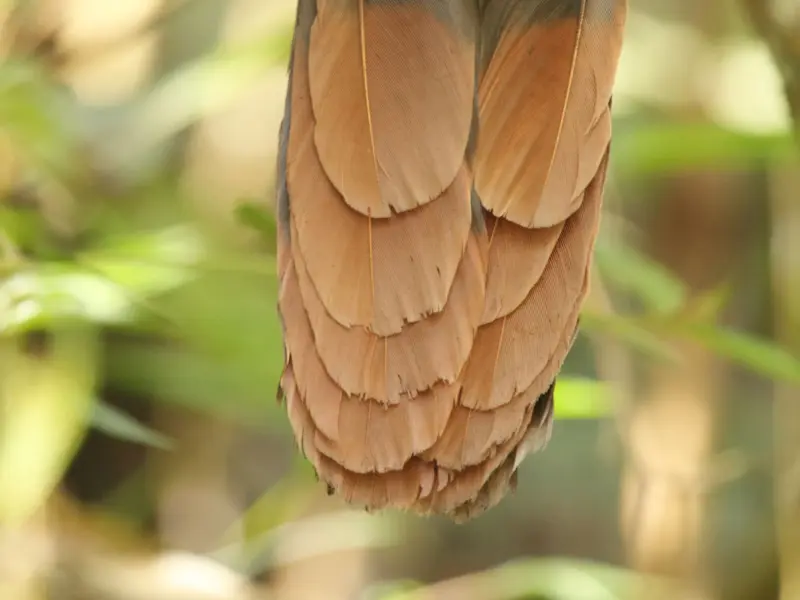
The tail feathers of a Rufous-vented chachalaca. image via Canva Pro.
At Global Voices, we’re often amazed at how seemingly random things remind us of how interconnected we are. Last year, it was the quality and symbolism of light; this year, after our Venezuelan contributor Estefanía Salazar shared a photo of the country’s stunning national bird — the Venezuelan Troupial (Icterus icterus) — much to the delight of the rest of us in the region, it’s birds.
Not only do our feathered friends travel long distances with no consideration for the risks posed by man-made borders, but they also share our spaces, contribute to the well-being of our environment — even as their habitats are threatened by development, hunting and more — and, because they move so effortlessly between earth and sky, are powerful symbols of freedom and transformation.
According to the president of BirdLife Jamaica, Justin Saunders, “Birds, and especially our national birds, represent the resilience, pride, and significance of our countries and of the Caribbean region as a whole. Though we are small island nations, we continue to have an outsized impact, and birds reflect that strength and identity in a powerful way. They also remind us of how interconnected we are across the region […] Birds are one of the few parts of nature that are truly accessible to almost everyone, regardless of age, background, or even disability, and that unifying quality is part of what makes them so meaningful to the people of [the] Caribbean.”
This Earth Day, we offer you a glimpse at some of the region’s favourites…
Antigua and Barbuda’s magnificence
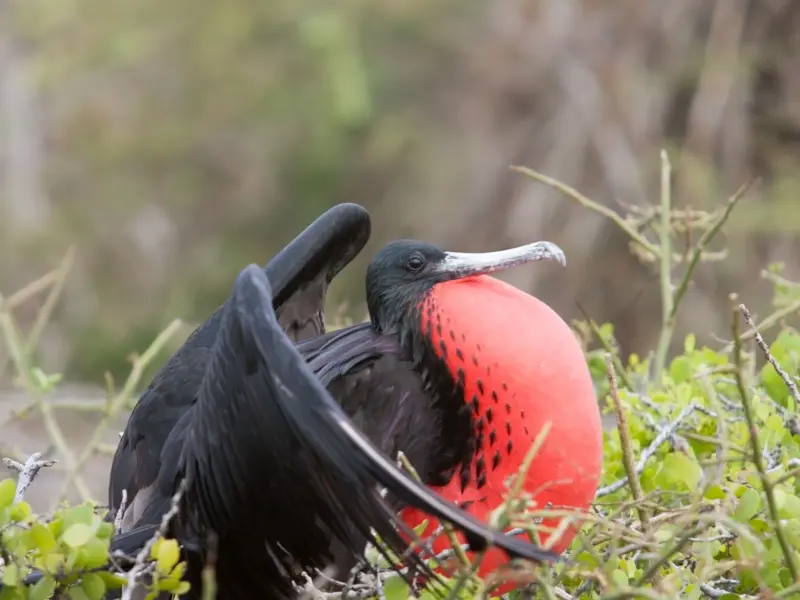
The Magnificent frigatebird. Image via Canva Pro.
The national bird of these small islands is the Magnificent frigatebird; in fact, Barbuda is home to the largest frigatebird colony in the western hemisphere.
Locally, they are called “Weather birds” — whenever they circle inland, this behaviour is often interpreted as a reliable warning that a storm is approaching. Excellent hunters, fishermen often observe them to locate the best fishing grounds.
Posing prettily in The Bahamas
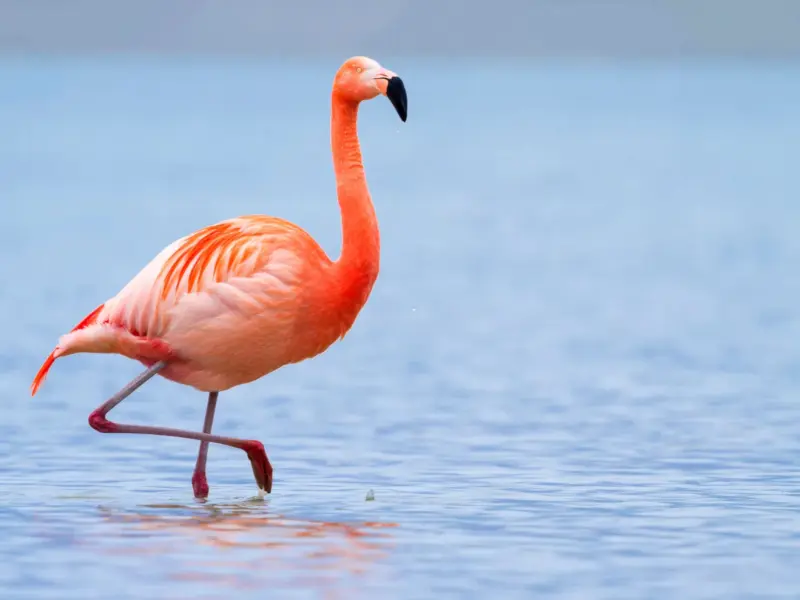
The Caribbean flamingo; image via Canva Pro.
A perfect match for its blue waters and white sand beaches, the national bird of The Bahamas is the Caribbean flamingo (Phoenicopterus ruber), and its Inagua National Park, established in 1965, boasts the largest breeding site of Caribbean flamingos in the world — about 70,000 — quite an impressive figure, considering the species was once considered in danger of extinction.
The popular pelican
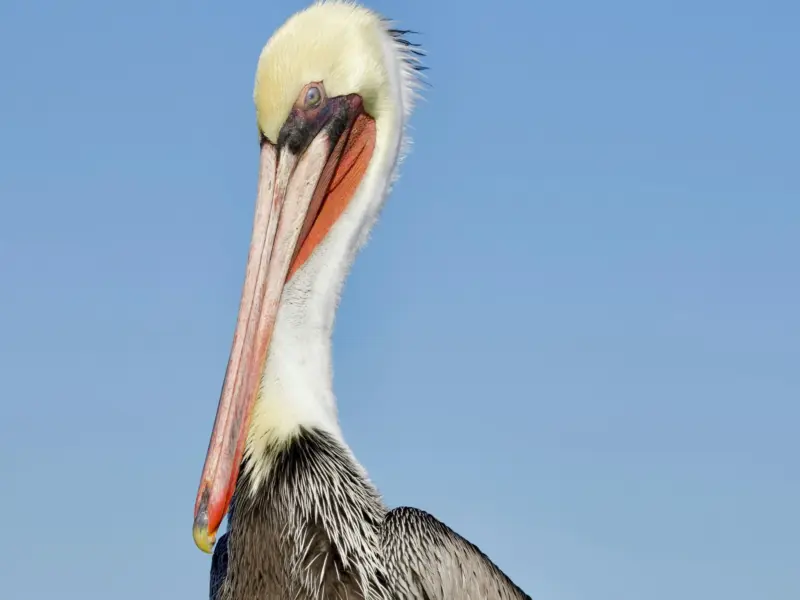
The Brown pelican. Image via Canva Pro.
Various regional nations have adopted the Brown pelican (Pelicanus occidentalis) as their national bird, including Barbados, St. Kitts and Nevis, the Turks and Caicos, and St. Maarten, where it adorns the respective countries’ coat of arms. The bird can also be seen perched atop the crest of the University of the West Indies.
Up until the 1950s, there was a small island off Barbados’ west coast, aptly named “Pelican Island” after the brown pelicans that nested there in large numbers. However, the waters between Barbados and Pelican Island were reclaimed to build the Bridgetown Deep Water Harbour, and today, you only get rare glimpses of them. In St. Maarten, meanwhile, the main pelican nesting site at Fort Amsterdam has been showing declining numbers.
Phenomenal parrots

The Imperial amazon or sisserou parrot adorns Dominica’s national flag. Image via Canva Pro.
Dominica, widely known as “The Nature Island,” has a national bird found nowhere else. Known as the Imperial amazon (Amazona imperialis) or Dominican amazon parrot, fondly called the sisserou by locals, it is unfortunately a critically endangered species, with a current population trend of just 40-60 mature parrots in the wild. Their numbers have been declining due to threats such as habitat loss, climate change, and hunting.

The St. Lucia parrot. Image by Aaron Michael via Wikimedia Commons (CC BY-SA 2.0).
St. Lucia also has a parrot as its national bird — its namesake, the Saint Lucia amazon (Amazona versicolor). Endemic to the island, it is considered a vulnerable species. Locals call it the Jacquot and, as one birdwatching blog recalls, the bird was in rapid decline in the 1970s because of hunting, until local environmentalists launched an awareness campaign and started going into schools dressed as parrots: “Their aim was to stress to pupils that the bird should be honoured, not hunted.” The following year, the country’s parliament passed a law making it illegal to kill the St. Lucia parrot. Such an offence is now considered unthinkable and comes with a hefty fine and jail time.

The St. Vincent parrot. Photo by David J. Stang via Wikimedia Commons (CC BY-SA 4.0)
St. Vincent and the Grenadines’ parrot of choice is the indigenous Amazona guildingii, or St. Vincent parrot, which struggled in the wake of the 2021 Soufrière volcano eruption. It is currently listed as vulnerable, though the date of that assessment preceded the series of volcanic eruptions. The bird, locally called “Vincie,” is regarded as a national treasure.
More endemic species
Grenada is another regional territory whose national bird, the Grenada dove (Leptotila wellsi), is native to the island where it lives. Sadly, it is also listed as critically endangered. The most recent assessment in 2021 determined the presence of just 136–182 mature birds in the wild. Its numbers are being compromised by development and the negative impacts of the climate crisis, including pollution and invasive species. Many Grenadians have been trying to save the dove, citing its ecological significance and its role in heritage and national pride.

The Hispaniolan trogon; image via Canva Pro.
Haiti also honours a species endemic to the island of Hispaniola — the Hispaniolan trogon (Priotelus roseigaster) — as its national bird, underscoring the unique biodiversity of the species and the need to preserve it. Despite threats to its habitat, the Kanson wouj (“Red underpants”), as it is called in Haitian Kreyòl, is currently a species of least concern on the International Union for Conservation of Nature’s (IUCN) Red List of Threatened Species, contributing to Haitians’ perception of the trogon as a symbol of resilience. The bird is often depicted in Haitian art and folklore.
Jamaica’s ‘Doctor Bird’

The Red-billed streamertail hummingbird. Image via Canva Pro.
When Jamaica gained its independence from Britain in 1962, the country’s National Birds Act declared the Red-billed streamertail (Trochilus polytmus) — the most common of Jamaica’s hummingbird species — as the national bird, thanks to both its endemic status and its popularity. Jamaicans fondly refer to this hummingbird as “Doctor Bird.” It has been the topic of many a Jamaican folklore tale and folk song, and forms a significant part of the island’s cultural identity.
Twin islands, two birds

The Scarlet ibis (L) and Rufous-vented chachalaca (R). images via Canva Pro.
At the southernmost end of the Caribbean archipelago, Trinidad and Tobago may be one nation, but it has two national birds — Trinidad’s Scarlet ibis (Eudocimus ruber) and Tobago’s Rufous-vented chachalaca (Ortalis ruficauda), commonly called the Cocrico, after the sound of its call. Both species enjoy a current status of least concern.
As BirdCaribbean Executive Director Lisa Sorenson told Global Voices via WhatsApp, “Caribbean birds, especially our endemic species, connect people to place, culture, and nature. The Caribbean is home to 185 endemic bird species; by protecting [them] and their habitats, we safeguard the health and well-being of our communities and the ecosystems we all depend on.
Birds are among the most visible symbols of our natural heritage, inspiring national pride and reminding us that our islands are home to extraordinary biodiversity found nowhere else on earth. Our islands also provide essential habitat for migratory birds, offering food, water, and shelter during their long journeys between breeding and wintering grounds.
On Earth Day, we celebrate the beauty and diversity of the natural world — and the joy, wonder, and peace that birds bring to our lives every day.”