



Sri Lanka banned the purchase and use of single-use plastic water bottles in all government institutions effective May 31, under a new government circular that targets the reduction of wasteful plastic consumption within the state sector.
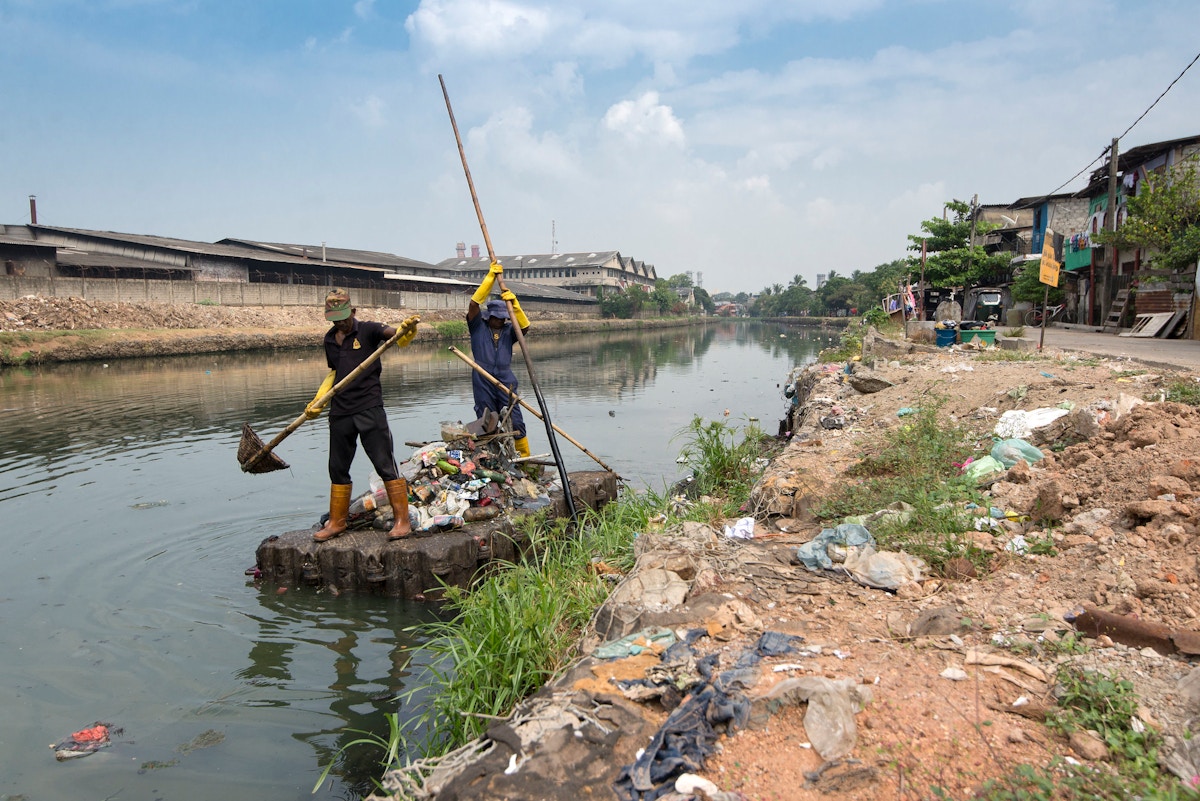
The move is the latest in a long line of attempts by the island nation to reduce plastic pollution — a crisis that clogs waterways, pollutes beaches, harms marine life, and overwhelms the country’s fragile waste management systems. But environmentalists say the real question is not whether Sri Lanka can announce another ban, but whether it can be enforced.
The new directive applies to public institutions and is expected to reduce the routine use of disposable plastic water bottles during government meetings, events, offices and official functions. Authorities are encouraging reusable alternatives and better drinking water infrastructure within public institutions, says Kapila Rajapaksha, the director-general of the Central Environmental Authority (CEA), the state agency mandated to address plastic pollution.
Sri Lanka’s plastic problem is growing exponentially. The National Plastic Waste Inventory (NPWI) published in 2024 has estimated the island’s municipal plastic waste generation to be approximately 250,000 metric tons per year.
Sri Lanka recycles only about 27,000 metric tons of plastic waste annually, roughly 11 per cent of total plastic waste generated. An estimated 68,000 metric tons, or 27 per cent of plastic waste, remain uncollected and are often burned, buried or illegally dumped. Approximately 101,000 metric tons or 41 per cent of the plastics go unaccounted from the waste management system during collection, transport, sorting and disposal.
“
Every time we refuse a plastic bag, bottle, straw, or wrapper, we send out a signal to the market that sustainable alternatives matter. Lasting change can happen when consumers make conscious choices.
Nishshanka De Silva, founder, ZeroPlastic Movement
According to an Asian Development Bank (ADB) analysis, around 70 per cent of Sri Lanka’s plastic waste consists of single-use plastics. This includes 20 million yoghurt cups, 15 million food wrappers, 20 million shopping bags, and 1 million sachet packets of sauce, jam, and shampoo each month.
Charging for grocery bags
Sri Lanka has introduced several restrictions on single-use plastics (SUPs) through the National Environment Act (NEA) over the past decade. Earlier bans targeted thin polyethylene bags, food wrappers, polystyrene food containers, plastic cutlery, and other disposable items.
More recently, the country also moved to discourage the free distribution of plastic shopping bags. Following a fundamental rights case filed by Colombo-based environmental NGO the Center for Environmental Justice (CEJ), Sri Lanka’s top court determined that regulations would require supermarkets and shops to charge consumers for polyethylene shopping bags instead of issuing them free of charge. This resulted in the country’s Consumer Affairs Agency (CAA) issuing a directive to stop free distribution of polyethylene grocery bags, taking effect in November 2025.
“A polythene grocery bag costs a nominal fee but charging for their use psychologically discourages unnecessary use and encourages reusable alternatives,” says environmentalist and CEJ founder Hemantha Withanage.
Supermarket chains in Sri Lanka are the first to adopt this policy. However, many vendors are still not charging for polyethylene bags, citing loss of customers.
“We do not want to strictly enforce this yet but allow a grace period for vendors to adhere to this change and give up on the polyethylene bags,” says Padma Abeykoon, additional secretary to the Ministry of Environment.
“Despite not being fully implemented, the move to charge for polyethylene bags has resulted in ground level wins where there is a 60-70 per cent reduction in the use of polyethylene grocery bags,” Withanage says.
Withanage has long argued that pricing mechanisms alone are not enough to curb plastic and polyethylene consumption.
He says such measures should be supported by strict enforcement, accessible reusable alternatives, and effective monitoring to drive meaningful behavioural changes and reduce plastic leakage into the environment. Withanage also notes that Sri Lanka’s environmental and plastic pollution policies fail mainly due to poor enforcement, lack of monitoring, and weak institutional follow-through, rather than an absence of legislation.
For example, Sri Lanka banned the use of polyethylene products as decoration at political, social, religious, national, cultural and other events. Yet they continue to be used, albeit at reduced rates, Withanage says.
Action at the individual level
Nishshanka De Silva, founder of the ZeroPlastic Movement of Sri Lanka, says reducing single-use plastics is not only a responsibility of the state and public institutions but equally rests with consumers. “Every time we refuse a plastic bag, bottle, straw, or wrapper, we send out a signal to the market that sustainable alternatives matter. Lasting change can happen when consumers make conscious choices and recognise that convenience should not come at the cost of our environment,” De Silva tells Mongabay.
He says some habits such as using single-use plastic bottles were developed only in the past two decades or so. “In the past, we used to carry a bottle whenever we went on a trip or to school. I still carry a bottle whenever I attend a meeting, so it is also a matter of conscious effort over harmful convenience,” he says.
De Silva says the recent ban could become symbolically important if implemented well. State institutions are among the country’s largest consumers of bottled water for various meetings and events. Replacing disposable bottles with refill stations, reusable containers and filtered water systems could reduce waste while also setting an example for the private sector, De Silva says.
Extended producer responsibility
Meanwhile, the government also plans to strengthen the fight against plastic pollution through proposed amendments to the National Environmental Act, says Rajapaksha from the Central Environmental Authority.
“The new amendments will strengthen extended producer responsibility (EPR) by requiring manufacturers and importers of plastic beverage bottles and other plastic packaging to take greater responsibility for the waste generated by their products. Under this framework, companies will be required to collect and ensure the recycling of a specified proportion of the plastic they place on the market,” Rajapaksha tells Mongabay.
This marks a significant shift from the traditional waste-management approach, where the burden largely falls on local authorities and the public.
By making producers responsible for the postconsumer phase of their products, it’s possible to increase collection rates, improve recycling infrastructure, reduce plastic leakage into the environment, and promote a circular economy, says De Silva, who welcomes the recent move.
A recent study on Sri Lanka’s PET-bottled beverage sector has revealed that significant reductions in plastic waste are possible through improved packaging design.
The project team measured the weight of PET bottles, caps and hoops across a range of beverage brands and bottle sizes and found considerable variation in packaging efficiency, indicating that many products use more plastic than necessary, says study co-author Champika Kankanamge of the Department of Civil and Environmental Engineering, University of Ruhuna.
The study estimates that beverage packaging generates substantial quantities of plastic waste annually and highlights lightweighting of bottles, caps and associated packaging components as an immediate opportunity to reduce plastic consumption without affecting product quality.
The findings suggest that adopting packaging-efficiency standards across the industry could significantly lower the amount of plastic entering Sri Lanka’s waste stream each year.
This story was published with permission from Mongabay.com.