



Photo: Lancefury/FLICKR
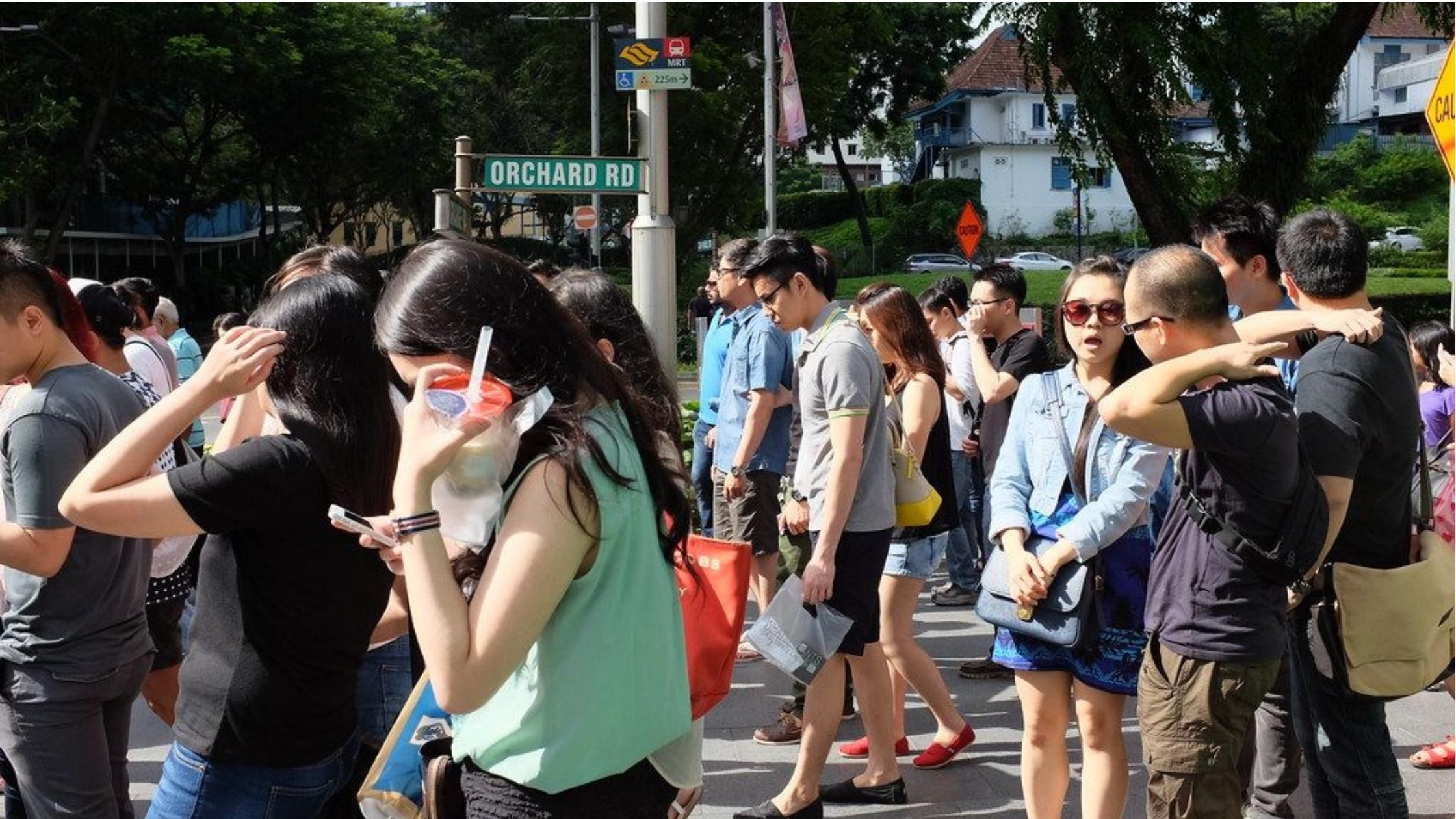
Whether it’s on the MRT, at the salon or in a Grab ride, many Singaporeans said consideration for others goes a long way. (for illustration purposes only)
SINGAPORE: Questions about whether Singapore’s strong economic performance is translating into better lives for ordinary Singaporeans have resurfaced following Prime Minister Lawrence Wong’s remarks on price caps amid the city-state’s high cost of living at the 24th Forbes Global CEO Conference.
According to Mothership, in response to Forbes’ remark that Singapore was “not a cheap place to live”, PM Wong acknowledged that the city-state is “not at all” cheap. He also rejected the idea that the government should intervene and cap prices, arguing that high prices serve as “legitimate price signals” and that intervention could lead to unintended consequences.
He explained that one “cannot ask for high incomes and low prices because the services that you consume, what you pay, forms a salary for the people who provide those services”.
Instead of capping prices, he said the government provides targeted support to lower- and middle-income households through utility rebates and cash assistance.
He also pointed out that what was more “critical” was whether real incomes, adjusted for inflation, continued to rise across all income groups, particularly lower-income earners, while aiming for income inequality to go down.
A netizen on r/singapore, however, argued that the more important question was whether Singapore’s economic success translated into a better life for ordinary Singaporeans.
“A country could have strong economic growth and sound public finances, yet still face questions about housing affordability, healthcare expenses, wage growth, retirement adequacy and work-life balance. Those outcomes need to be assessed separately rather than assumed to improve automatically with GDP,” he said.
“My central point is the economy should serve the people, not the other way around,” he added, arguing that “economic growth should ultimately help people live more secure, healthy and fulfilling lives”.
Singapore “should not have to choose between a strong economy and citizens’ well-being”, he said. “The challenge is designing policies that support both”, he added. /TISG
Read also: Singapore job market ‘appears to be cooling’ despite strong economic growth amid AI boom: Maybank
