



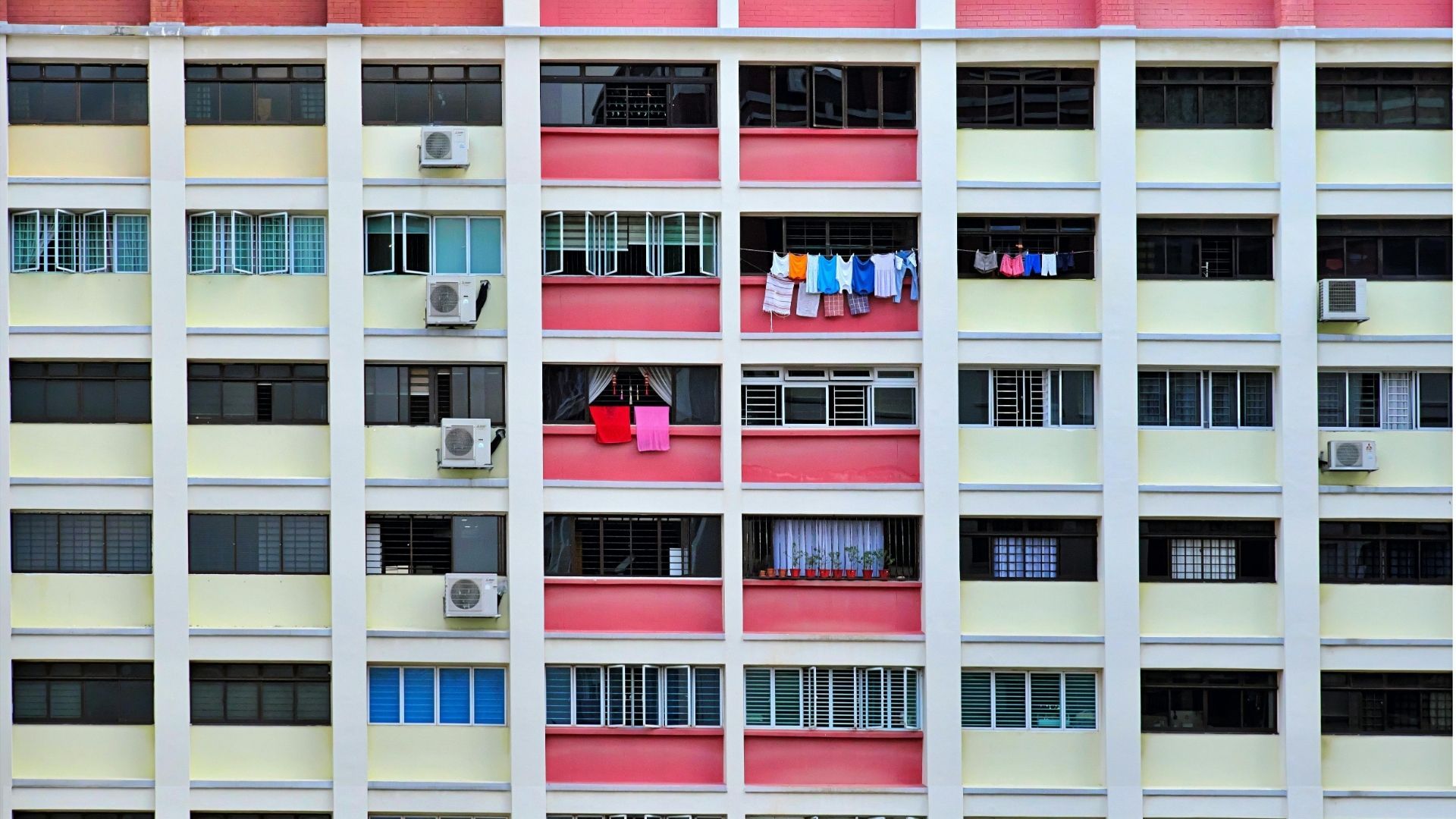
SINGAPORE: A local landlord has come under heavy criticism online after complaining about his tenant’s electricity and water usage in a post published on the Complaint Singapore Facebook page.
In the post, the landlord claimed that his tenant had begun “wasting electricity” after moving in two months ago.
He wrote that the tenant used the air-conditioning “very cold” every day, adding that the tenant would end up with “cough and running nose” the next morning. The landlord also questioned why the tenant would use the air-conditioning so heavily during rainy weather.
The landlord further complained that the tenant had adjusted the bathroom water heater temperature to “nearly maximum,” alleging that he had burned his hands because he did not realise the setting had been changed.
He also took issue with the tenant using the washing machine three times a week, specifically on Tuesdays, Thursdays and Saturdays, and said the tenant would wake up at 5 a.m. to do laundry while the household was asleep.
The landlord said he and his household had been “nice” to the tenant, noting that they allowed him to use “new and expensive” furniture for free and had permitted him to wash clothes at home twice a week.
“He can do what he wants, we never said anything,” the landlord wrote, before adding that the tenant’s behaviour had changed after the first month of staying there.
“What should I do?” he asked.
The post quickly drew strong reactions from commenters, many of whom sided with the tenant and accused the landlord of being overly controlling.
Several commenters bluntly suggested that the landlord should stop renting out rooms altogether.
“I suggest you keep the room to yourself… not suitable to have tenants,” one commenter wrote.
Others argued that using air-conditioning regularly in Singapore’s climate was perfectly reasonable.
“Imagine telling someone they can’t use an aircon in Singapore. lol lol lol,” one commenter wrote.
Another commenter said the landlord appeared to be micromanaging the tenant’s daily habits.
“Micromanaging tenants’ business and sneaking into how many times he washes his clothes is going overboard, really,” the commenter wrote, adding that the tenant’s health and comfort were more important than slightly higher utility costs.
Some commenters also pointed out that the landlord could have set clearer expectations about utility usage from the beginning.
One commenter shared that they had previously informed a tenant that any significant increase in electricity bills would require a top-up payment, though in the end, the increase had been less than S$10 per month and no additional payment was requested.
Another commenter criticised what they described as unrealistic expectations among some landlords in Singapore.
“Seriously. Sg landlords cannot this cannot that & wants to earn from rental proceeds as much as possible,” the commenter wrote.
The same commenter also noted that the tenant becoming sick from excessive air-conditioning was “his own business” unless it affected others in the household, and argued that the landlord should simply end the rental agreement if unhappy with the arrangement.
Others focused on the financial aspect, arguing that the rental income likely outweighed the increased utility bills.
“You are foolish. Just think of the rental you are collecting. Nothing is damaged, but only slightly higher utility costs,” one commenter wrote.
Another added: “If not happy, better not rent out. Like you said, you don’t need the money. so why do you need the headache?”