



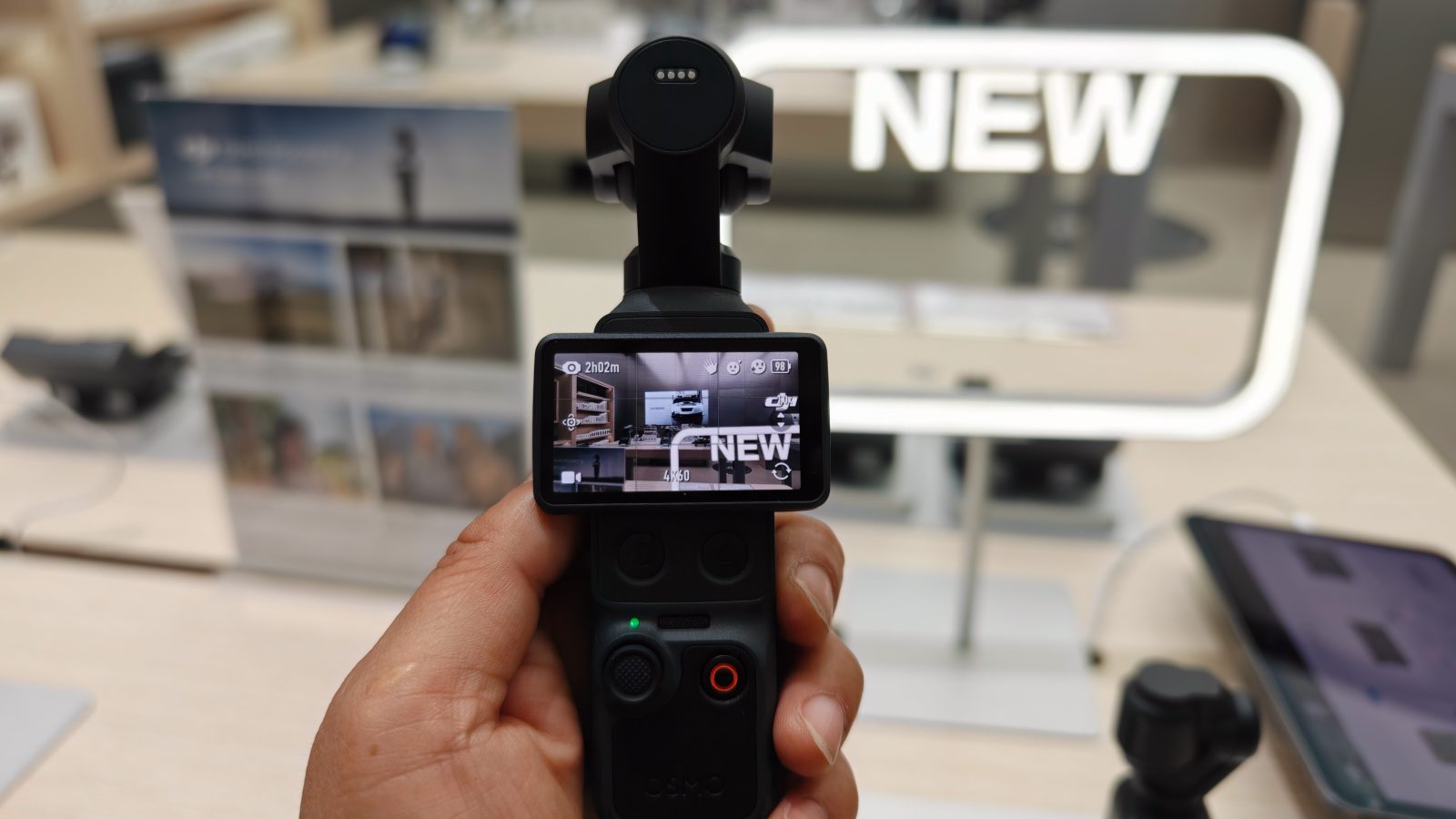
After moving to Taiwan and taking up scuba diving, I recently started shopping for an underwater camera. What began as a simple search quickly turned into an exploration of the rapidly shifting geography of consumer technology.
There was a time when the answer would have been obvious: buy a GoPro.
The California company basically invented the action-camera category when it first launched in 2002. Twenty years later in 2022, GoPro still controlled an estimated 75% of the global market.
But that has flipped quickly. Today, the company is fighting for survival. In early June, GoPro disclosed in a regulatory filing that there is substantial doubt about its ability to continue operating. Its global market share has fallen to roughly 18% in just 3 years.
Nearly every diver I met, every travel creator I watched, and every outdoor enthusiast I spoke to recommended one of two Chinese brands: DJI or Insta360.
Together, the two companies now account for over 80% of the action-camera market.
The story that is playing out in the action-camera market is a cautionary tale on a much wider range of consumer tech products. From robot vacuums to electric vehicles, Chinese brands are proving increasingly difficult to compete against. The trend could accelerate as AI becomes embedded in more everyday tech hardware.
GoPro cited the rising costs from the global memory chip shortage. Left unnoted in its documents were the years of plummeting sales and brutal competition from its Chinese rivals DJI and Insta360, which left the company with little room to absorb the shock.
After peaking in 2015, GoPro struggled against smartphones and a series of failed product bets. Its position worsened when DJI entered the action-camera market in 2019, triggering a price war. The arrival of Insta360 in 2022 intensified the competition, as both Chinese companies rolled out new models faster and pushed AI-powered editing features.
Analysts point to GoPro’s “self-inflicted wounds” as a major factor in its decline. But they also note that DJI and Insta360’s manufacturing scale and rapid product cycles made the American company’s comeback increasingly difficult.
A similar story is already taking place in another area of consumer tech: robot vacuum cleaners. Chinese brands such as Dreame and Roborock have become major players in these autonomous machines that roam homes. Meanwhile, American robot vacuum brand iRobot — which invented the home cleaning robot that it named Roomba — has struggled to maintain its lead and filed for bankruptcy in December last year. The company was acquired by its Chinese manufacturer, Picea Robotics.
The rise of Chinese consumer tech brands over Western incumbents appear to be the industry’s new reality. Yet their growing dominance has not gone unchallenged.
These robot vacuums, for example, were already increasingly being discussed as carrying potential data-security risks because they rely on cameras, sensors, microphones, and detailed maps of users’ homes to function. Similar concerns have already already placed limits on other China-made tech products in the U.S. including drones and electric vehicles.
As for GoPro, it’s exploring a pivot to the defense and aerospace markets. For if there’s a silver-lining for an American consumer tech company hoping to beat out its Chinese rivals, maybe it’s found by leaning into security sensitivities and not in pleasing cost-conscious AI-enabled households.
You can follow Kinling’s reporting to get notified via email when she publishes a new story.