



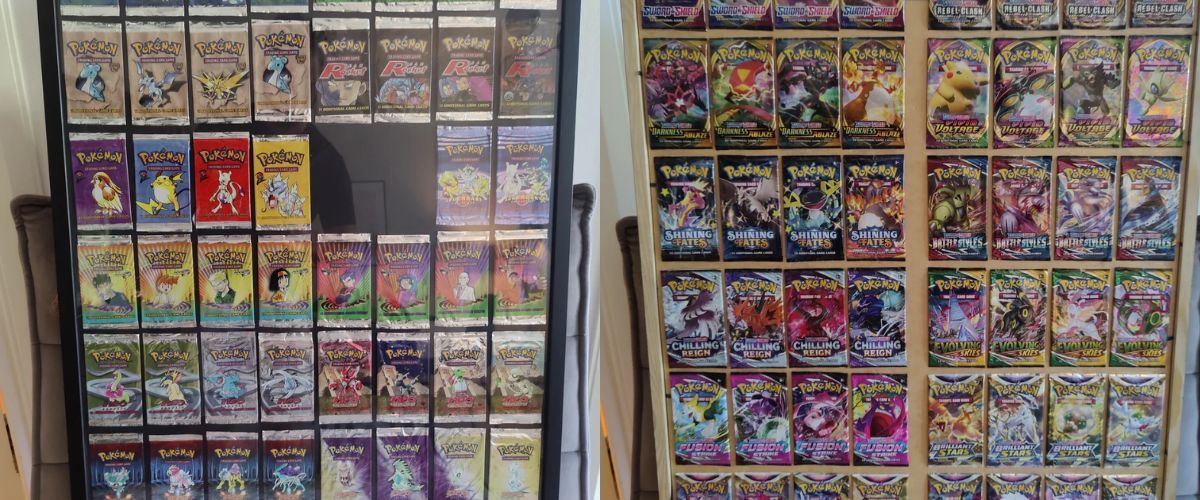
SINGAPORE: What was once a passion project is increasingly becoming a financial lifeline. From Pokémon cards and Bearbrick figurines to decades-old comic books, Singaporeans are liquidating their collectables in growing numbers. Rising living costs seem to be a significant part of the reason why.
According to Channel NewsAsia (CNA), industry players said that the number of collectors looking to sell has risen sharply in recent years, with younger couples and working adults among the most common sellers. Many are using the proceeds to help fund housing down payments, renovation costs, wedding expenses, newborn-related costs, and business cash flow needs. Some have sold to tide themselves over while between jobs.
The numbers tell the story
CNA reports that Sugoi Collection, which deals in toys and collectables, has recorded about 50% more sellers compared with four years ago. Trading card retailers Shane Collectibles and Consignment and SC Collection have both seen around a 30% increase in collectors looking to sell cards in recent years.
“Now, because of the rising cost of living, more people are only buying what they really enjoy, and they tend to negotiate the price,” said Sugoi Collection founder Shawn Xu.
SC Collection owner Chong Yong put it plainly: “There are cases where people got laid off… one particular guy was getting a bit stressed, so he tried to sell some cards to tide through while he searched for another job.”
A quick way to unlock cash
Part of the appeal of collectables as a financial buffer is how fast they can be converted into money. Authentication and payment for trading cards can sometimes be completed in as little as 10 minutes, with transactions ranging from a few hundred dollars to tens of thousands.
Shane Collectibles owner Malcolm Wong said some collectors treat their cards like any other asset class, choosing to exit when values peak. He once bought a Pikachu card for S$3,500 and sold it for S$6,500 (though at its highest point, it would have fetched S$35,000). The most expensive card currently in his shop is worth S$15,000, while the cheapest is just S$1.
Wong also cautioned against a common misconception: “Many are emotionally attached to their collections and are simply reallocating capital temporarily.” Some, he noted, eventually return to buy back items they once sold once their finances improve. “When they need (money), they sell first to free up cash. They will buy back later when they have more disposable income,” Chong added, as quoted by CNA.
Comics tell a sadder story
In the world of graphic novels, collector Kieyron Maldin said he has seen a 45% increase in people letting go of prized books over the past two years. “Recently, there’s been a lot of people selling their collections because of the cost of living. It’s been quite sad to see,” he said.
CNA reports that Maldin himself has sold some of his comic books, earning around S$600 over the past year. Many of the buyers and sellers he encounters are students, national servicemen, and young adults trying to balance a passion for comics with rising everyday expenses.
While common comic books fetch only a few dollars, rarer editions from the 1970s to the 1990s can sell for thousands.
Yet for all the financial pressure, Maldin keeps some books off the table. “It’s not the money, it’s the memory it holds. Some books have gotten me through tough times. Some characters have gotten me through a lot of sad moments. I want to keep them for my kids, for future generations to see,” he said.
Demand hasn’t collapsed, nostalgia keeps it alive
Even as more collectors cash out, retailers say demand remains robust. SC Collection’s Chong pointed to the enduring pull of major franchises like Pokémon, One Piece, Disney, and League of Legends. These are brands that carry deep emotional resonance for adults who grew up with them and now have the spending power to act on that nostalgia.
Shane Collectibles handles up to 1,000 transactions a month and has drawn buyers from countries including Indonesia and Saudi Arabia. Many prefer physical stores over online platforms because they can verify authenticity in person, which is a growing concern as counterfeits become more sophisticated.
Netizens react
The story resonated deeply online, with many sharing personal frustrations that extended beyond the collectibles market itself.
“As a collector it’s difficult to let go of items that have sentimental value but because of the bad economy now we need to sell just to survive,” one commenter wrote, capturing the emotional weight behind what might otherwise look like a simple financial transaction.
Others pointed the finger at structural economic issues. “Rent is driving everything up. The government should relook into their spending and control land prices,” one user said, framing the collectibles sell-off as a symptom of a much bigger affordability crisis.
Some took a more cautionary tone about what the trend signals for the hobby itself. “This might be a bad sign to people who see cards as a gold mine rather than their intended purpose,” one netizen stated.
Not everyone was convinced that cost of living was the whole story, however. “Are we really sure people are selling because of cost of living? And not because of the crazy inflated values these cards are going for?” one sceptic asked, raising a fair point that for some sellers, cashing out at peak prices may be as much a calculated financial move as a necessity.
It’s likely a bit of both, and the truth probably varies significantly from seller to seller, even if the outcome looks the same from across the counter.
The long-term outlook: Selective, but still bullish
According to CNA, despite economic uncertainty, retailers remain cautiously optimistic. Xu believes demand for collectibles like Labubu and Bearbrick figures, currently in a price trough, could rebound within one to two years, pointing to structured plans from Pop Mart and a significant investment in Medicom Toy, which owns the Bearbrick brand, as signals that the market is cyclical rather than declining.
But Chong offered an important caveat for anyone eyeing collectibles purely as an investment. Some buyers enter the market solely because prices are rising, expecting values to climb indefinitely. When demand softens or liquidity dries up, those collectors can be forced to sell at a loss.
“The nature of these hobbies is for people to collect, share with their friends, and play the game. It’s not really designed as an investment,” he said as a reminder that for all its financial potential, the heart of the collectibles world is still about passion, not profit.
Read also: Singaporean TikToker responds to ‘incel’ culture: Don’t mistake gentleness as weakness