





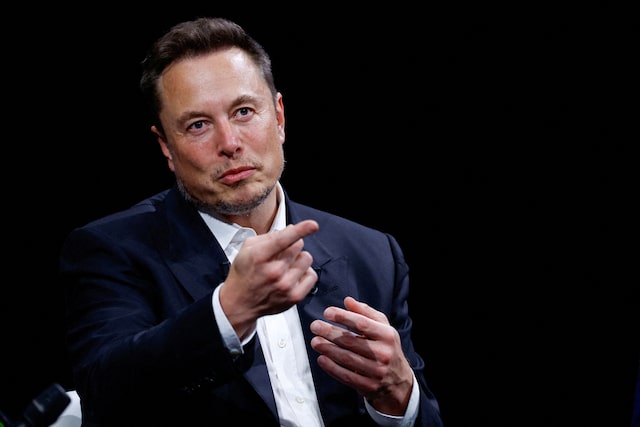
Elon Musk has reportedly spent $366 million to support the Republican Party, becoming its largest donor ahead of the midterm elections.
Elon Musk, the billionaire entrepreneur and owner of various technological ventures, has reportedly committed $366 million to bolster the Republican Party in the United States’ midterm elections. This significant funding includes $276 million spent since July of this year, with $158 million specifically directed towards a political action committee (PAC) that focuses on Republican Senate candidates. This financial commitment positions Musk as the single largest donor to the Republican Party in 2023.
Musk’s political alignment with the Republican Party is well-documented. He is known to be a close ally of former President Donald Trump, and served as a special advisor to the Trump administration last year. In a statement to The New York Times, a spokesperson for Musk’s America PAC explained that these financial contributions are critical for defending Congress against a Democratic takeover during what are expected to be competitive midterm races.
“These robust investments have allowed the GOP apparatus to get its message out so Republicans can have a fighting chance to defy history,” stated America PAC spokesman Andrew Romeo.
This influx of spending comes at a time when Republican candidates are facing challenges related to Trump’s fluctuating popularity and increasing cost of living concerns among voters. The Democratic Party is aiming to leverage voter dissatisfaction with Trump’s presidency in their bid for control of Congress, where the Republicans currently maintain majorities in both the House of Representatives and the Senate.
The role of wealthy donors and PACs in US politics has frequently stirred debate. Critics argue that such financial backing skews political representation in favour of affluent interests. Musk recently became the world’s first trillionaire when his aerospace company, SpaceX, launched its initial public offering (IPO) on the Nasdaq stock exchange in June 2023. Although he had suggested in May that he would step back from political engagements, claiming that he had “done enough,” his subsequent support for right-wing causes contradicts that statement.
Furthermore, Musk’s political influence has extended beyond the US; he has been accused of attempting to interfere in German elections. He has shown support for the Alternative for Germany (AfD), a party that has faced criticism for its controversial stances on immigration and social issues.
As the midterm elections approach on November 3, voters will decide on key state and local offices, in addition to determining the future balance of power in Congress. Current reports indicate that the Republican Party is benefiting from a substantial financial lead over the Democratic contenders. Notably, pro-Trump PAC MAGA Inc has accumulated around $416 million as of August, showcasing significant spending power in pivotal races, including the open Senate seat contest in Texas, where it has already invested $22 million.
Amidst this financial landscape, Trump has intensified his campaigning efforts, organising multiple rallies leading up to the elections to energise Republican voters and communicate their message effectively. However, Democratic representatives remain optimistic that the Republicans’ financial edge will not negate the growing unease with Trump’s leadership. Lauren French, a spokesperson for the Democrats’ Senate Majority PAC, expressed concern about the influence of such monetary contributions, saying, “Republicans are hoping to buy these elections, injecting tens of millions into races to try and outrun their unpopular candidates, unpopular president and unpopular economy.”
