



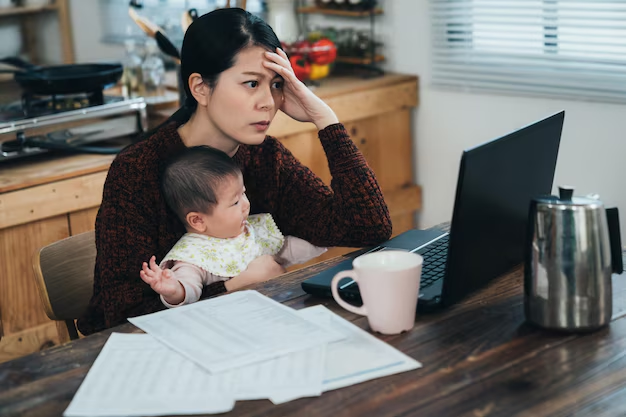
MALAYSIA: Talking to a working mother who is constantly juggling household responsibilities, a demanding job, and additional work on weekends reveals a growing reality: burnout among women is becoming increasingly common. At 35, although she has achieved a level of career stability, financial pressures remain significant. With her husband earning less than she does, the emotional and financial responsibility she carries feels even heavier. In a moment of exhaustion, she admits, “I have done all that I can, but the support is just not enough. I am really very tired.”
Her experience is not isolated. Many working mothers share similar sentiments, feeling overwhelmed, constantly stretched, and left with little time for themselves despite managing both professional and family responsibilities. This reflects the persistent “double burden” faced by women, where paid employment is accompanied by an unequal share of unpaid domestic labour. This reality is evident in Malaysia’s evolving workforce. According to Bernama, female labour force participation reached a record high of 56.6% in 2025, signalling that more women are actively contributing to the economy than ever before. While this is a positive indicator of progress and empowerment, it also highlights an underlying imbalance—women’s increased participation in the workforce has not been matched by a proportional shift in household and caregiving responsibilities.
As a result, many working mothers experience fatigue and emotional strain, managing paid work during the day and unpaid domestic duties at home. This continuous cycle leaves minimal time for rest, recovery, or personal well-being, increasing the risk of burnout. Research by RSIS International supports this observation, identifying role overload, time pressure, and lack of adequate support systems as key contributors to stress among working mothers. Over time, these pressures can affect mental health, reduce productivity, and strain family relationships.
The issue is not solely individual but structural. Deep-rooted societal expectations often place a greater share of caregiving responsibilities on women, even when they are equally or more financially contributing to the household. Without a meaningful redistribution of domestic roles and stronger support systems, women continue to bear an unequal load. Workplace policies also play a crucial role. While flexible work arrangements are increasingly available, their effectiveness depends on consistent implementation and a supportive organisational culture. Without meaningful flexibility, childcare support, and respect for boundaries, working mothers remain vulnerable to burnout.
At the same time, household dynamics must evolve. As women contribute significantly to household income, shared responsibility in domestic work becomes essential for sustaining balance and well-being.
In conclusion, viewing women only through traditional roles as mothers and wives is no longer adequate. Today, women are professionals, leaders, and key contributors to economic growth. Their rising participation in the workforce, as reported by Bernama, reflects their growing role in national development. However, without equal support at home and at work, this progress often comes at the cost of their well-being. A progressive society must recognise women not only for their roles in the household but equally for their economic and public contributions, while ensuring responsibilities are fairly shared.