



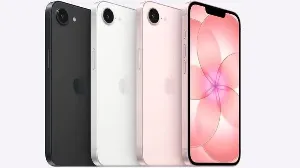
The iPhone 17e offers improved specifications and performance, making it an attractive alternative for budget-conscious customers.
Apple has introduced the iPhone 17e as its latest budget-friendly smartphone. Marking the sixth instance of the tech giant launching a non-flagship model in its nearly two-decade history of mobile manufacturing, the iPhone 17e aims to capture market interest following mixed receptions of its predecessors. The device has launched with optimism, as Apple hopes for significant sales despite ongoing competition across the smartphone market.
Unlike earlier models such as the iPhone 16e, the new iPhone 17e arrives with two notable enhancements: the inclusion of MagSafe technology for wireless charging and a more refined Portrait Mode that promises improved photography capabilities. This year, Apple has also increased the base storage of the iPhone 17e to 256GB, a strategic decision believed to streamline production processes.
In India, this change results in a minimum price increase of approximately ₹5,000, bringing the entry cost to around ₹60,000. Comparatively, the iPhone 16e was originally priced with a lower storage tier. However, the price for the base model remains unchanged in the United States, which may generate mixed feelings among Indian consumers.
The iPhone 17e is designed primarily as a straightforward smartphone, showcasing the essential features that contribute to Apple’s reputation. It debuts with the updated A19 processor, which, notably, is a more advanced chip compared to the A18 found in Apple’s new MacBook Neo. The device sports a 6.1-inch OLED display that operates at a refresh rate of 60Hz, significantly lower than some of the higher-end models.
While users might notice the lower refresh rate, the display’s brightness levels are adequate for general use. The smartphone features a single camera that utilises a similar 48-megapixel sensor as the ultrawide camera in the iPhone 17. Consequently, it may not match the photographic quality of the standard iPhone 17 or even the iPhone 16. Nevertheless, used independently, the iPhone 17e performs admirably, and the full-feature Portrait Mode adds value to the photography experience.
Performance-wise, the A19 processor stands out within the industry, adeptly managing demanding applications, from mobile gaming to multitasking across various apps. Users have reported that the device can handle extensive workloads, including multiple social media platforms and music streaming, without encountering significant lag or interruptions, although minor stutters can occur during high-intensity gaming sessions.
The photography experience, while limited by the absence of an ultra-wide lens and limited zoom capabilities, still results in warm and well-balanced colours. The camera performs effectively in low-light conditions and delivers impressive video quality, featuring Dolby Vision HDR with 60fps 4K capabilities, aligning with expectations from a flagship device.
Battery life remains consistent, lasting through a full day of varied use, with the device’s stereo speakers enhancing video viewing experiences. The inclusion of MagSafe is a positive addition, particularly for frequent travellers.
However, the design of the iPhone 17e is somewhat dated, resembling the iPhone 14, and lacks modern features such as a dynamic pill notch, which makes it appear less contemporary. Prospective buyers looking for aesthetic upgrades may be deterred, as some consumers could prefer more recent models like the iPhone 16 or 17, which, despite being pricier, offer updated designs.
In summary, while the iPhone 17e presents an appealing option for those upgrading from older iPhone models, its design limitations and price point could present challenges in appealing to new customers switching from Android devices. In a competitive market, the iPhone 17e’s fate will likely hinge on its performance against more advanced rivals and consumer expectations for design innovation and functionality.