



In June 2020, the Indian government abruptly banned 59 Chinese apps to protect the country’s “sovereignty and integrity” amid border tensions. By the end of the year, this number had gone up to over 250.
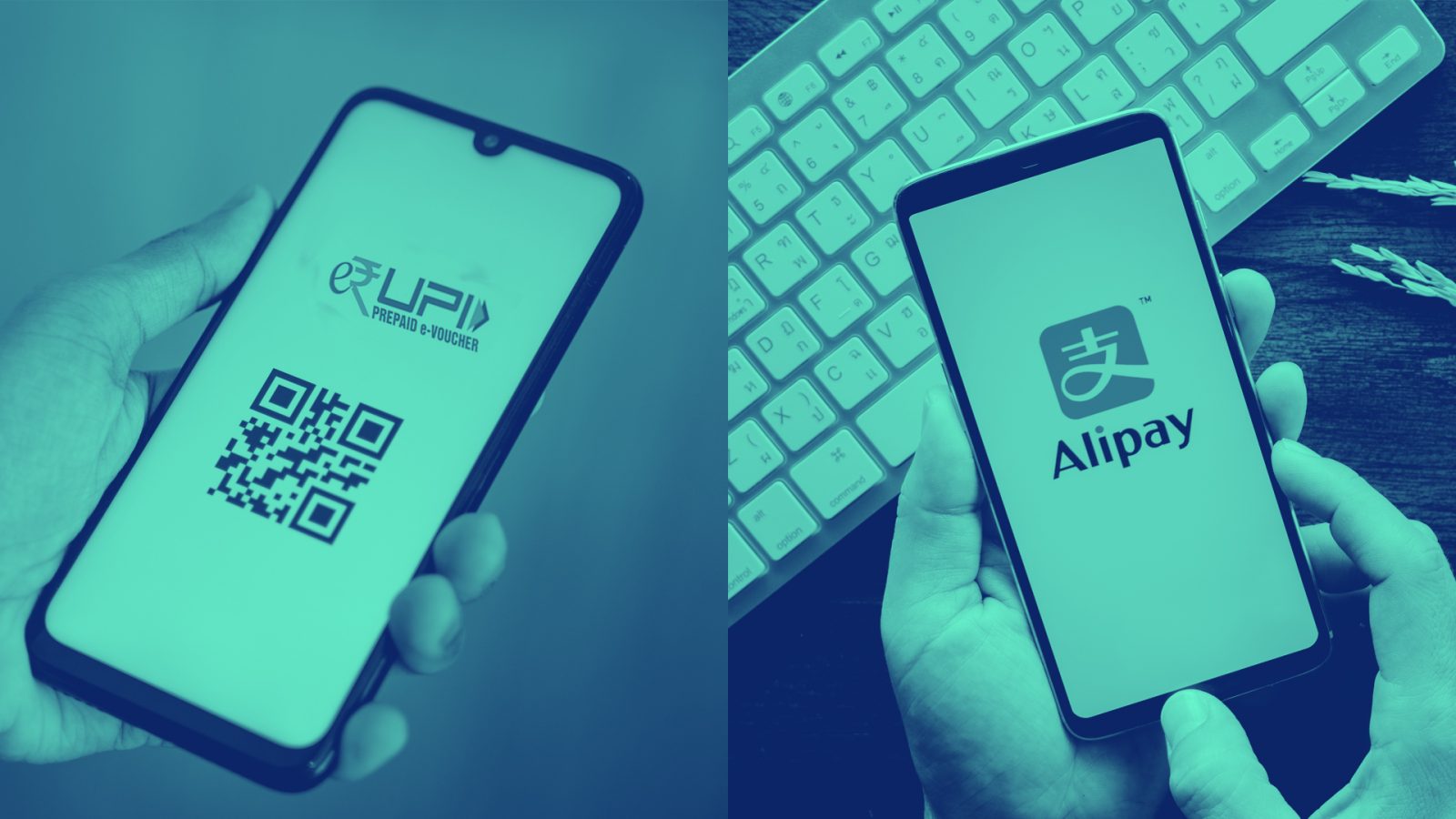
Fast forward to February 2026, and India is in talks with Ant International to integrate Alipay+ into India’s unified payments interface for cross-border transactions, according to a Reuters report. Ant International was founded by the Chinese fintech giant Ant Group. It is now based in Singapore and operates independently.
The integration would allow Indian tourists to use UPI at over 150 million Alipay+ merchants in more than 100 markets.
Currently, UPI is available in over seven countries including the United Aran Emirates, Singapore, Bhutan, Nepal, Sri Lanka, France, and Mauritius. India has been trying to export UPI to other countries for several years now. A deal with Alipay+ could help push this ambition further.
“The deal will benefit UPI and its customers in multiple ways, including lower transaction costs and reduced reliance on card networks and foreign exchange,” Salman Waris, founding partner at tech law firm TechLegis, told Rest of World. “Most importantly, it would be a strategic boost to India’s digital payment ecosystem, aligning with its goal to make UPI a global standard.”
Ant Group did not respond to a request for confirmation and comment about this deal.
Launched in 2016, state-backed UPI allows real-time money transfers to bank accounts using smartphones, eliminating the need for wallets. Transactions of up to 100,000 rupees ($1,106) per day can be made using mobile numbers or QR codes.
Used by more than 504 million users and 65 million merchants, UPI facilitates over 20 billion transactions each month, accounting for 84% of India’s digital retail payments. Last month, a top Indian central bank official said UPI has the potential to increase its user base to 1 billion.
The present initiative actually coincides with a strategic thaw in India-China relations.”
At the G20 Summit in 2023, Indian Prime Minister Narendra Modi made a case for the global adoption of UPI, stating the country would be “happy to share our experience with the world.”
“This expansion will further bolster remittance flows, improve financial inclusion, and elevate India’s stature in the global financial landscape,” Sudhir Shyam, economic adviser at the Department of Financial Services, said last year.
Partnering with Alipay+ will allow UPI to expand without deploying infrastructure country by country. But the deal won’t happen without scrutiny, especially around data localization clauses and kill-switch provisions.
“The final decision is pending,” Waris said, adding that pain points remain for India’s regulatory bodies on Alipay+, including “geopolitical sensitivities” due to its Chinese origins, and “security and data privacy concerns, particularly around the flow of Indian users’ financial data across borders.”
Recent geopolitical events may have charged India’s openness toward partnering with a China-linked company, experts said. On February 2, India reached a tariff truce with the U.S. after months of intense back-and-forth with President Donald Trump and his team.
Trump’s tariff “measures created economic pressure, prompting India to diversify its international partnerships and reduce overreliance on the U.S. market,” Waris said. “The present initiative actually coincides with a strategic thaw in India-China relations.”
India has recently become more flexible in allowing local electronics manufacturers to partner with Chinese firms, and it has eased business visa restrictions on workers from the mainland.
Several countries, including long-term U.S. allies like Canada, have faced the heat of Trump’s tariff moves.
The integration of UPI and Alipay+ would go beyond making foreign transactions less of a hassle for Indian travelers. It could be a step toward establishing a non-Western perspective on how cross-border trade should function in the future.