



A carbon crediting programme based in Qatar has received the Integrity Council for the Voluntary Carbon Market’s (ICVCM’s) high integrity stamp of approval, as part of the latest set of decisions made by the industry governance body.
Version 1.1 of the Global Carbon Council (GCC) Standard, established in 2016 by the Gulf Organisation for Research and Development, was determined to have met ICVCM’s criteria for integrity under its Core Carbon Principles (CCP) label.
The CCP, launched in 2023 amid a backlash against alleged greenwashing and over-crediting in the carbon credit landscape, has seen 9 carbon crediting standards approved since. Under those programmes, 40 methodologies — which are sector and project-specific rules for carbon projects — have also been CCP-approved.
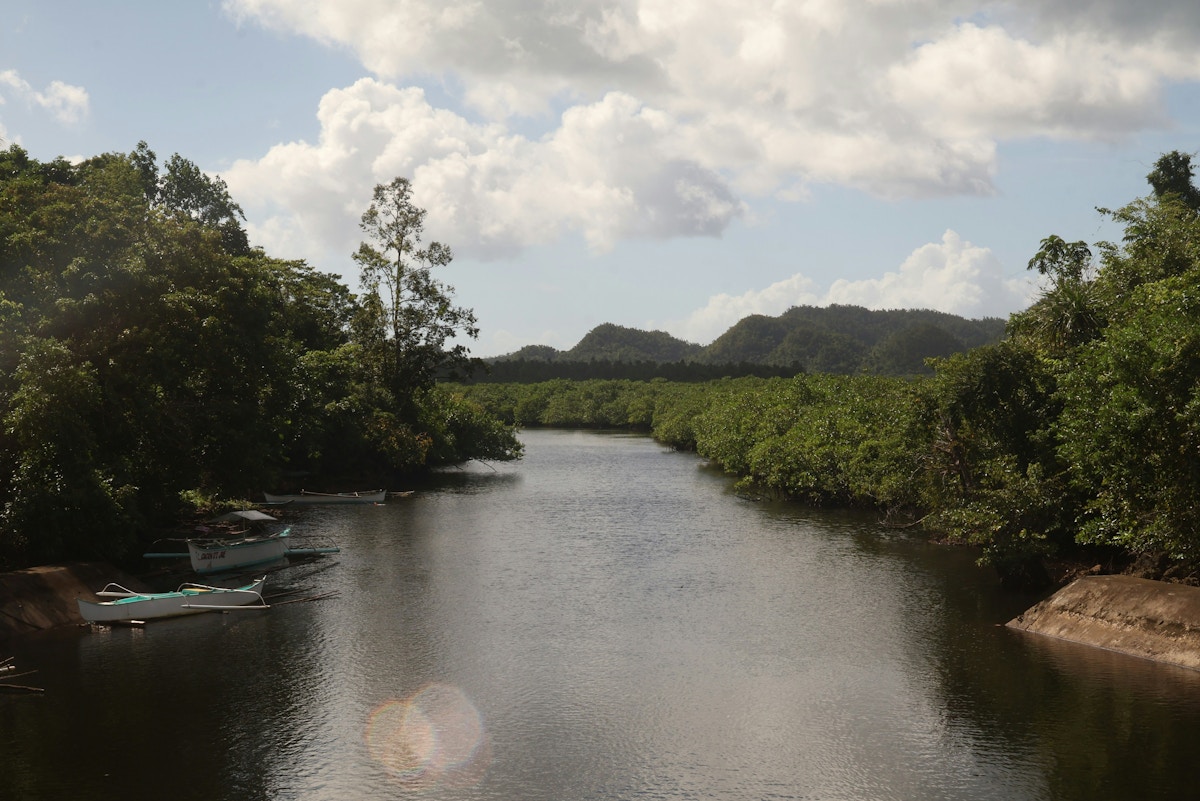
The latest methodology to be granted the CCP label is the first version of Isometric’s Mangrove Restoration Protocol, a methodology which covers the reestablishment and recovery of mangrove ecosystems in areas where they have been degraded or lost.
In granting CCP approval, the Integrity Council noted the rigour of the Mangrove Restoration Protocol’s additionality test and dynamic baseline, “which helps ensure robust carbon accounting,” it said.
“This is a new methodology, published in December 2025; there are three signed projects to date, with the potential to issue up to 2 million carbon removal credits by 2030, according to Isometric,” ICVCM said.
Buyers of carbon credits are increasingly seeking high-integrity issuances as a “minimum requirement” for voluntary carbon market transactions, according to analysis by climate solutions advisory South Pole. It expects issuance volumes to shrink as standards align themselves with stricter principles and projects incorporate more demanding requirements, while demand will reflect the focus on higher quality credits.
First high integrity renewable energy rules
In addition to its two approvals, ICVCM also decided on conditional approvals for two methodologies under the Verified Carbon Standard (VCS) of industry standard-setter Verra — one for grid-connected renewable energy and another for the abatement of methane from coal mines.
One of these was the VMR0017 methodology for connecting renewable energy sources to electricity grids, with project types including wind, solar, geothermal, small-scale hydro and wave or tidal power. This is a revised methodology following ICVCM’s decision in July 2024 that no renewable energy methodologies met its criteria for high integrity carbon credits under the CCP label.
ICVCM said that the CCP approval is conditional on a benchmark analysis, using Verra’s updated additionality tool, shows that “the economic performance of the project increases decisively through carbon credit revenues and equals or exceeds the financial viability benchmark.”
It also noted that the grid emission factor and electricity consumption tools applied by this methodology have been strengthened in line with the Assessment Framework and “there are now several safeguards to ensure that conservativeness is maintained in relation to uncertainty.”
Although earlier carbon credit issuances under this methodology will not be CCP-approved, ICVCM expects a large pipeline given “considerable market interest in high integrity renewable energy projects”.
“ICVCM recognises the importance of incentivising the renewable energy transition through carbon markets and is pleased to see the next generation of high integrity grid-connected renewable energy methodologies coming online,” it said.
In a press statement, ICVCM chair Annette Nazareth said that the council’s decision demonstrates its commitment to independent, technical and thorough assessment of programmes and methodologies for adherence to its high integrity CCP Assessment Framework.
“The difficult decisions we have taken to date are charting a path towards increased methodological rigour, as demonstrated by the approval of a new generation of more robust renewable energy methodologies,” she said.
The other VCS methodology to receive conditional approved for the CCP label is Versions 6-8 of the ACM0008, which is used to measure the capture and utilisation of methane from both active and abandoned mines.
“Approximately 6.44 million credits have been issued under the approved methodology versions, but the approval conditions mean that few are expected to be eligible for CCP labels,” ICVCM said.
More work for forest-related methodologies
In the same set of decisions, ICVCM declined to award CCP approval for two forest-related carbon crediting methodologies from the Architecture for REDD+ Transactions’s (ART’s) TREES standard, prescribing remedial actions instead.
Under one of these methodologies — the second version of ART TREES’ crediting level for High Forest Cover, Low Deforestation (HFLD) — 58.4 million credits have been issued but none are eligible for CCP labels, said ICVCM.
Both methodologies in the current form do not meet the relevant criteria for CCP approval, ICVCM said.
The council’s governing board set out several significant remedial actions that ART must take for its HFLD Crediting Level to become CCP-approved. “For example, it must require HFLD participants to supply evidence that historical emissions during the baseline period significantly underestimate likely future emissions,” ICVCM said.
ICVCM will need to review the implementation of the remedial actions before it makes another decision on whether the two methodologies can be granted CCP labels.
Since 2024, the council’s governing board has found that 25 methodologies did not meet the requirements of its CCP assessment framework.
“As a result of the assessment decisions to date, an estimated 107 million credits have been approved to use the CCP label. An estimated 63 million of these appear available in the market; 44 million have been retired or cancelled,” ICVCM said.