



Motorola wants social media platforms to take down “defamatory” reviews of its devices in India. But the way it’s doing this has digital rights activists alarmed.
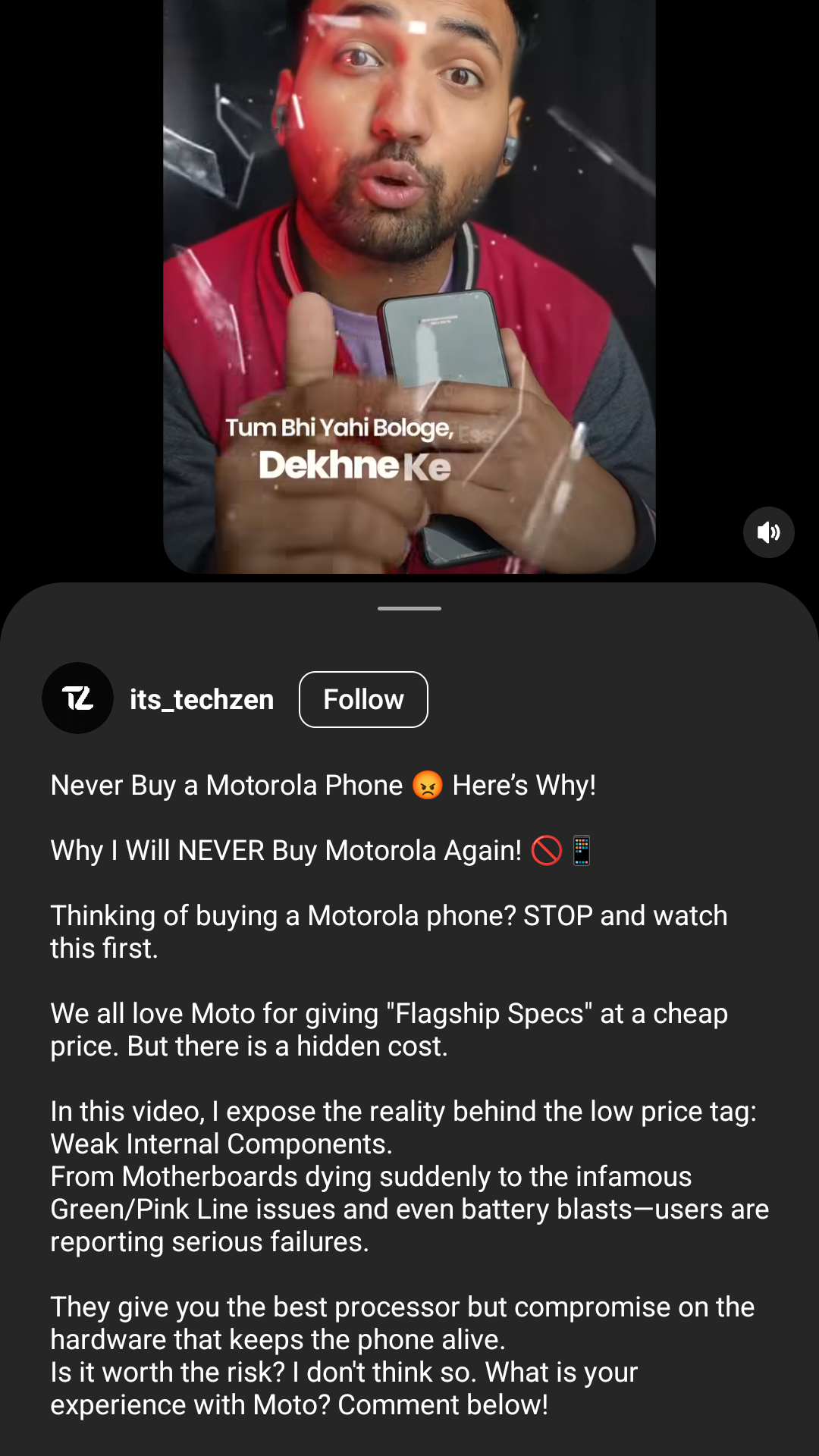
In March, Motorola’s India arm sued major companies and their platforms — Google, Meta, X, YouTube, Instagram, Facebook, and Threads— over more than 360 posts by users that allegedly portray its devices as unsafe. The American phonemaker has asked courts to order the removal of this content and also prevent similar posts from appearing in the future.
Such claims have circulated widely online for years. What sets this case apart is Motorola’s decision to name platforms as co-defendants rather than pursuing standard requests to take down specific posts.
The Indian government has been tightening online content regulations in recent years. Against this backdrop, the Motorola case could make platforms more likely to remove content quickly to avoid legal risk, digital rights experts told Rest of World.
A civil defamation case like this has a similar chilling effect on freedom of speech and expression.”
“Motorola could have filed takedown requests with the social media platforms. … Instead, it bypassed that and chose to name them as co-defendants,” said Jayshree Bajoria, Asia associate director at watchdog Human Rights Watch. “Social media platforms are already likely to over-censor legitimate expression to comply with the proposed IT rules and recent changes, to retain their safe harbor protection. A civil defamation case like this has a similar chilling effect on freedom of speech and expression.”
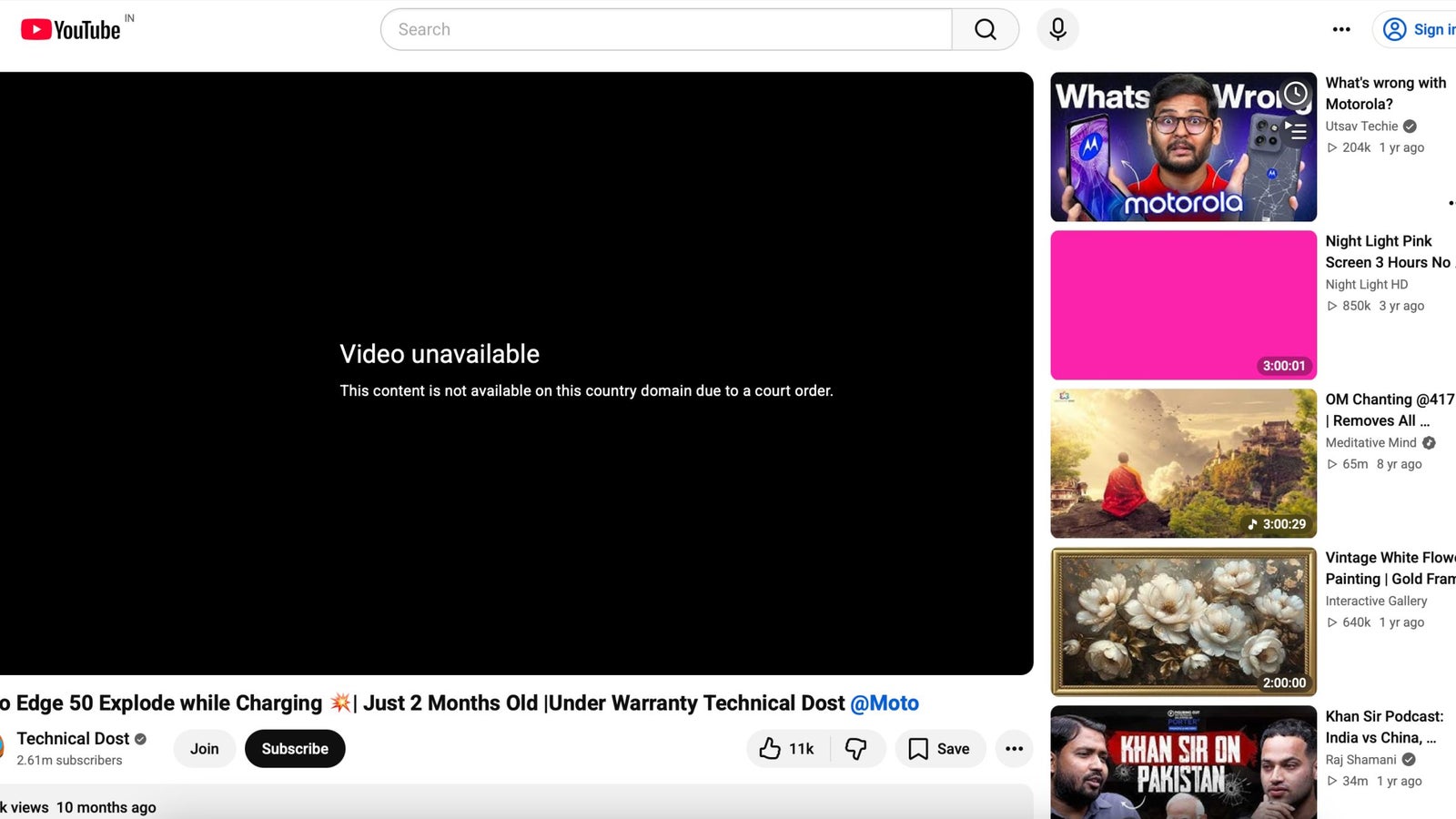
On April 17, an Indian court issued a temporary injunction ordering the removal of all existing defamatory content about Motorola — including negative campaigns, abusive remarks, and boycott campaigns — until the next hearing in June.
Meta, Google, and YouTube did not respond to Rest of World’s detailed request for comment at the time of publishing. X does not have a public-facing email for media enquiries.
A Motorola-like defamation case could never happen in the U.S. as Section 230 of the Communications Decency Act shields platforms from being liable for user-generated content.
India is home to the largest user base for YouTube and Instagram, and is among the top five countries for X.
Saurabh Gupta, a content creator who has made videos on Motorola’s durability and service, called out the company in a post on X, saying its legal action was a “direct killing” of freedom of speech. Gupta, who runs a Hindi-language YouTube channel called Gupta Information Systems with more than 1.8 million followers, is one of 24 plaintiffs named in Motorola’s lawsuit.
The smartphone industry is split on the matter.
Sunil Raina, managing director of Indian smartphone maker Lava, said companies can choose to respond by intimidating or improving when faced with criticism. “One silences the feedback. The other silences the need for it,” he wrote on X.
Madhav Sheth, the former Realme CEO who tried to reintroduce Chinese brand Honor’s phones in India, sided with immediate legal action for “any platform or individual found spreading fake news or unverified ‘exposés.’”
Legal experts are particularly concerned about the inclusion of a “John Doe” provision in the complaint, which allows action against unidentified future creators.
This order allows creators like musicians and filmmakers to protect their intellectual property in cases where the wrongdoers are anonymous or unknown. It’s also used to discover perpetrators of crypto theft and data breaches. Celebrities have used it to stop miscreants from using their likeness. But Motorola’s ask broadens its scope to murkier territory.
“John Doe orders were designed for piracy cases involving genuinely unidentifiable infringers, and their migration into defamation litigation is a significant expansion of judicial remedy,” Apar Gupta, tech lawyer and founding director of digital rights group Internet Freedom Foundation, told Rest of World. “The chilling effect operates before any creator is even named, because the order’s existence signals to the entire ecosystem that critical content carries legal exposure. Worse, platforms faced with subsequent takedown requests citing the John Doe order will typically comply rather than litigate.”
Gupta is also skeptical about Motorola’s removal request, including URLs that date back to 2019.
“Content that has been online for five or more years without prior legal action raises questions about delay, acquiescence, and the genuineness of the alleged injury,” he said.
Youtube
Since 2021, amendments to the Indian IT rules have been building pressure on social media platforms. Companies have had to set up local offices, appoint grievance officers, and add AI labeling to comply with new rules. The window to take down any unlawful content was recently shortened from three days to less than three hours.
The government’s recent and proposed amendments “are geared towards signalling to platforms that they need to comply, while also making it harder for them to contest or push back,” Prateek Waghre, a technologist-turned-public policy researcher and a fellow with the Tech Policy Press nonprofit, told Rest of World.
In general, governments and companies “will use whatever means they have at their disposal to suppress speech they do not like,” Waghre said.