



Winter is coming, and the increased cost of living might have you worried about higher energy bills.
Most winter energy advice focuses on heaters and insulation but energy savings often come from places people rarely check. Small and inexpensive changes can reduce heat loss more than many standard upgrades.
Interestingly, most Australian homes lose heat in simple ways. Warm air escapes through tiny gaps, cold surfaces draw heat from the body and open-plan layouts let warmth drift away.
These issues are especially common in older homes and rentals, where people have limited control over insulation or window upgrades. The good news is that many of the biggest improvements cost very little and can be done in minutes.
Here are four quick fixes to winter proof your home.
Move furniture away from external walls
Beds and couches placed against external walls can make a room feel colder because you’re sitting next to a cold surface. They also block warm air from circulating properly.
Heating experts warn that placing large furniture or drapes in front of radiators or heat sources can cut their effectiveness significantly, because warm air gets trapped behind the furniture or curtains instead of moving through the room. Fire risk is also important when curtains are near heat.
Keeping clear space around heaters and external walls helps the room warm up faster and feel more comfortable, allowing the heat to circulate freely.
Create thermal zones inside your home
Heating an entire home is expensive and is often unnecessary. Creating small thermal zones can outperform costly whole home upgrades.
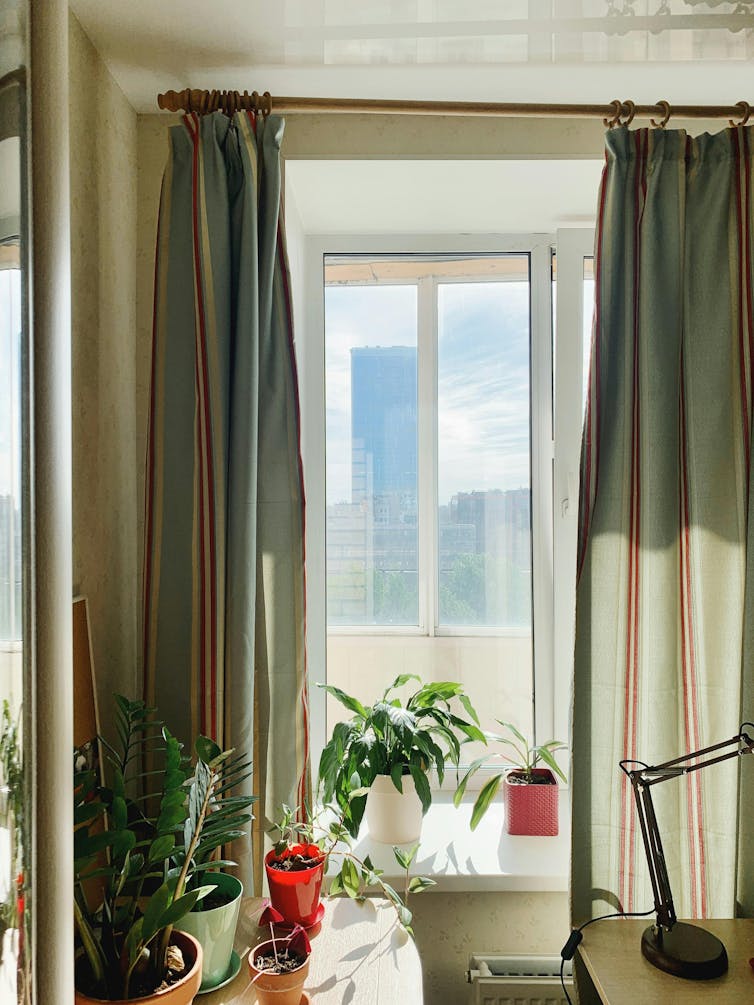
Closing internal doors, using curtains to section off areas or hanging a temporary fabric divider in open plan spaces slows the movement of warm air and reduces the space you need to heat. Official advice notes zoning can significantly reduce the need for heating in older homes.
Modern open-plan homes looks great but are harder to heat. Warm air can easily drift into hallways, stairwells and unused rooms. Creating a thermal zone in open plan houses can be as simple as closing a hallway door or hanging a curtain across a wide opening. Some households use tension rods and thick fabric to create temporary barriers able to be removed in summer.
Seal the gaps
Research from CSIRO shows one of the biggest ways Australian homes lose heat is through warm air leaking outside.
Warm air can escape in many ways. Bathroom exhaust fans, sliding glass doors, poor or missing door seals and wall penetration, such an opening in the wall from a large screws, are among the most common leakage points.
Finding and sealing these leaks matters because warm air naturally rises and escapes through any opening it can find, pulling cold air in your house from outside. Many of these gaps are easy to fix with removable draft stoppers, foam tape or putty that won’t damage surfaces, making them suitable for renters.
Small gaps around floors, skirting boards and power outlets can leak more heat than windows. These gaps are often only a couple of centimetres, or difficult to see, but together they create a surprising amount of air movement. Sealing them with cheap foam strips or silicone can significantly reduce heat loss and takes only minutes.
Elena Golovchenko/Pexels, CC BY
Use soft furnishings to reduce heat loss
Thick rugs, wall hangings and heavy curtains add insulation in places where homes lose heat fastest. Even a low-cost rug can reduce heat loss through timber or tile floors.
Building performance studies show internal surface temperatures strongly influence how warm a room feels, even when the air temperature is the same. Floors, especially timber and tiles, can be some of the coldest surfaces in a home. When you walk on a cold floor, your body loses heat quickly, making the whole room feel colder. A rug acts like a small insulation layer, raising the surface temperature and improving comfort without touching the thermostat.
Combine small actions for savings
None of these changes will transform a home on their own, but together they can make a noticeable difference. Sealing gaps reduces heat loss, zoning keeps warm air where you need it and soft furnishings improve comfort without extra energy use.
These strategies are accessible to almost everyone, including renters. With energy bills rising, these small changes won’t replace insulation or efficient heating, but they can make a home feel warmer and reduce energy bills during winter.