



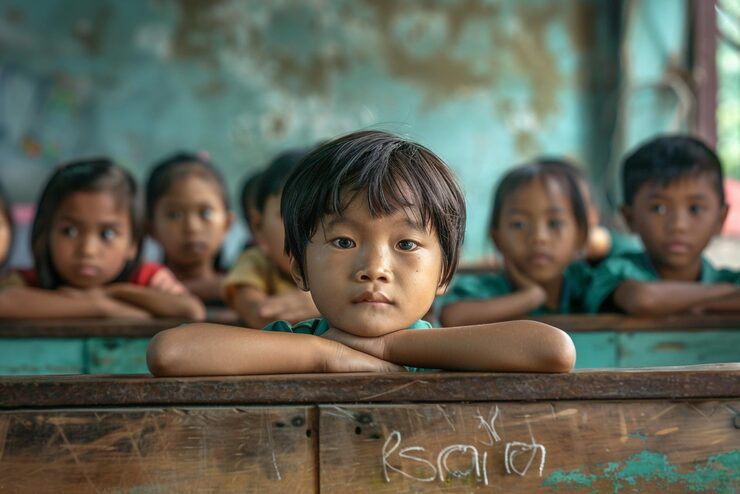
MALAYSIA: In 2022, Malaysia was already experiencing rising food prices, with evidence from local experts showing that the B40 group was the most severely affected due to limited financial capacity and heavy reliance on essential goods.
Malaysian policy and lifestyle analyses indicate that B40 households typically spend more than 40% of their income on food and daily necessities, leaving little room to absorb price increases. As a result, even small shocks in food inflation force difficult trade-offs, such as reducing food quality, skipping meals, or opting for cheaper but less nutritious options.
This reflects a structural vulnerability, where low-income families remain disproportionately exposed to cost-of-living pressures even outside crisis periods, as highlighted by The Star in its coverage of rising food costs among the B40 group.
Building on this baseline vulnerability, more recent discussions in 2026 show how economic shocks further deepen inequality. A Malay Mail opinion piece argues that during crises, whether driven by inflation, fuel price increases, or broader economic instability, the burden is not evenly distributed across society.
Children, particularly those in low-income households, emerge as the most affected within already vulnerable families as they depend entirely on household resources, making them especially vulnerable when families are forced to cut back on essential spending. As households prioritise immediate survival needs, spending on nutrition, education, and overall well-being is often reduced. The consequences are not short-term; they can affect cognitive development, academic performance, and future economic opportunities.
This is strongly supported by UNICEF Malaysia, which highlights that during periods of economic stress, households tend to cut back on food and essential spending in ways that directly impact children.
These effects manifest through food insecurity, disrupted education, and increased exposure to poor health outcomes. Crucially, the impacts are cumulative; early deprivation can further translate into long-term inequality that persists into adulthood.
Taken together, these perspectives show a clear progression: from the structural pressures faced by B40 households in 2022, to the recognition in 2026 that economic shocks intensify inequality, and finally to evidence that children bear the most severe and lasting consequences.
Economic shocks do not affect society uniformly; instead, they reinforce existing vulnerabilities, with low-income families and children consistently at the centre of the impact. If subsidies are reduced or removed, B40 households will face higher living costs and tighter finances, unless targeted aid effectively replaces the support they lose.`