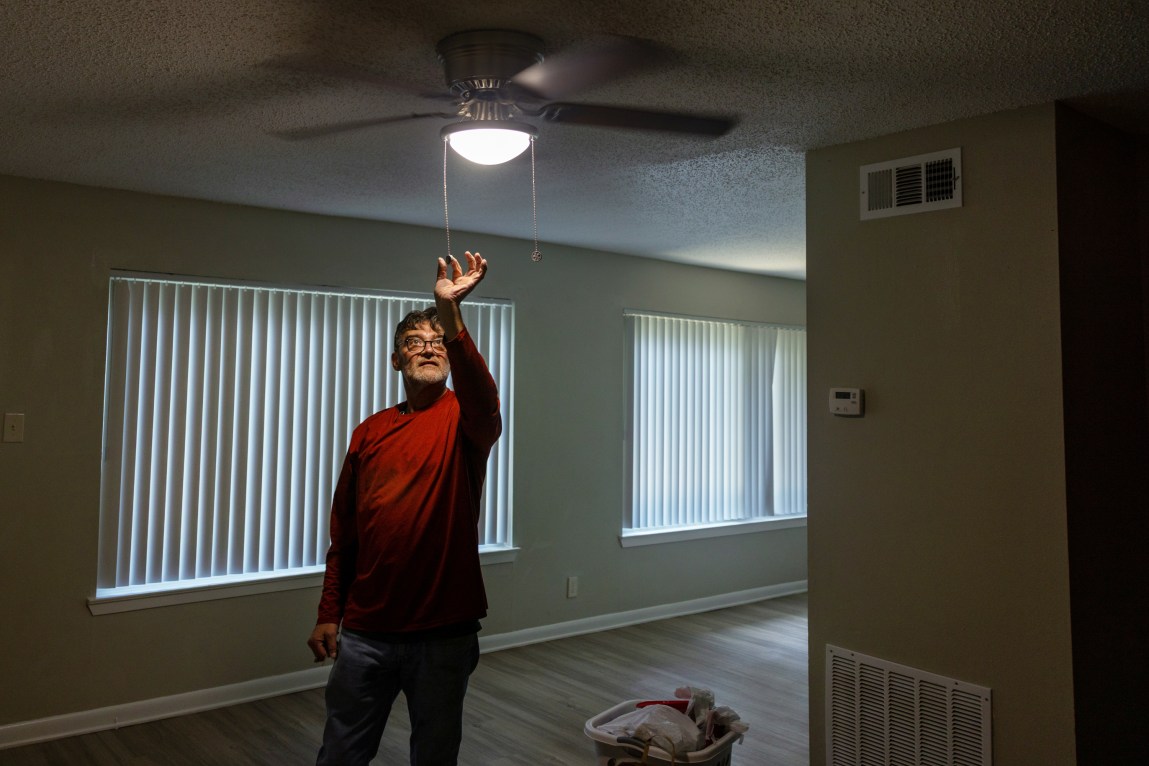



Jimmie “Chris” Duncan wiped the sweat off his forehead as he assessed his temporary home from the parking lot of a rundown motel in central Louisiana. Sure, there’s drug dealing and prostitution, he said on a recent summer afternoon. And he suspected his neighbors were cooking meth on a floor below the room he paid $350 a week to rent.
But, he said, “I feel safe here. I mean, I’ve been on death row. I feel safe anywhere.”
Duncan had spent the last three decades trying to prove his innocence after a jury convicted him of killing his former girlfriend’s toddler. An investigation by Verite News and ProPublica last year showed that prosecutors had relied on key evidence that appeared to be fabricated by a pair of forensics experts whose use of bite mark analysis has since been widely discredited as junk science.
Nevertheless, Louisiana prosecutors continued to argue that Duncan should be put to death. The threat became ever more real as Gov. Jeff Landry began expediting executions, despite the state’s track record of convicting and sentencing to death people later found to be innocent. It wasn’t until June that the Louisiana Supreme Court threw out Duncan’s murder conviction, ruling that the bite marks found on the child’s body, the only physical proof tying Duncan to the alleged crime, could not have been made by a human.
Chief Justice John Weimer was so outraged by the prosecution of Duncan that he compared it to 17th-century witch trials. “We now look back at those practices as asinine and absurd” with “no basis whatsoever in logic,” he wrote. Some of the evidence against Duncan, he said, was “similarly specious.”
The trauma that the state imposed on Duncan as a result of his wrongful conviction continues today. Although Louisiana’s top jurist tore apart the state’s case against Duncan, the 57-year-old West Monroe native still isn’t truly free. Steve Tew, district attorney for Ouachita Parish, where the crime allegedly took place, had warned the justices during an April hearing that he would retry Duncan if the court vacated his conviction. Tew, who did not respond to requests for comment, has said in court that he still believes that Duncan is not only guilty but deserves to be executed. Tew has until next June to decide on a retrial, though his term ends in January and he is not running for reelection.
Until then, Duncan said, he is trapped in limbo, both mentally and financially. He came out of Angola with nothing in the bank and now makes $17 an hour working the night shift at Walmart unloading and stocking freight. While he enjoys the job — he was named employee of the month in June — Duncan said he is barely scraping by.
There is a state restitution program designed to compensate exonerees up to $480,000 over a decade for wrongful convictions, but he is not eligible until either the district attorney decides not to retry him or he is acquitted in another trial, which can take years. And even then, there is no guarantee he will ever be awarded any money. Attorney General Liz Murrill has opposed nearly all applications for compensation, telling lawmakers last year that defending the state against such claims consumes an enormous amount of time and resources and that the fund should be abolished altogether.
“The foreseeable future for me is the year between now and when they can’t prosecute me no more. That’s the only future I get to play with,” Duncan said. “I’m 100% factually innocent, but not 100% free from prosecution.”

Surviving His First Decade in Angola
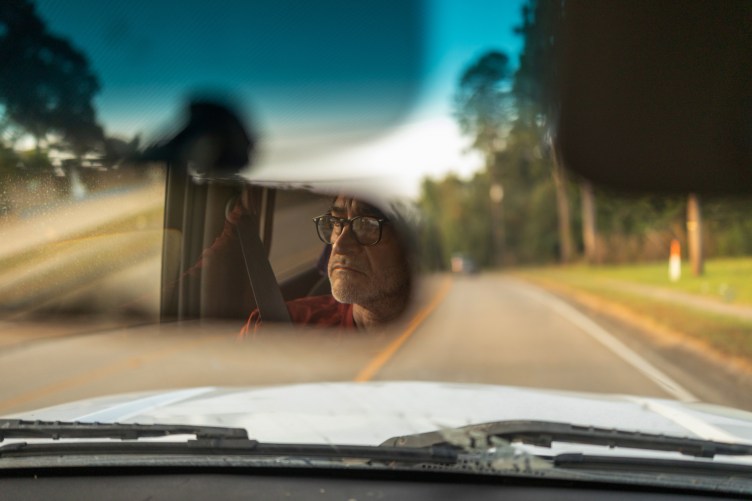
Over the course of more than six hours of interviews with Verite News and ProPublica, Duncan described in harrowing detail the nightmare he lived since police arrested him on Dec. 18, 1993. By far the worst of it all, he said, was thinking that his neighbors, friends and even relatives could believe he had committed such an unspeakable crime against a child.
It felt as if everything he was as a person was “being torn out of you, violently, in an emotionally painful way,” Duncan said. “Just having your identity eviscerated.”
Duncan was babysitting Haley Oliveaux in the home he shared with the girl’s mother, Allison Layton Statham, in West Monroe when the 23-month-old died. Duncan told law enforcement he had put the child in the bath, then went to wash dishes. When he heard a noise coming from the bathroom, he rushed to check on her and found Haley floating face down in the water. She was pronounced dead a few hours later.
Police initially arrested Duncan for negligent homicide, but prosecutors upped the charge to first-degree murder after pathologist Steven Hayne and dentist Michael West conducted Haley’s medical exam and claimed they discovered evidence, including the purported bite marks, that she had been sexually assaulted and intentionally drowned. Following two weeks of testimony during the trial in 1998, the jury found Duncan guilty; months later, the 30-year-old was sentenced to death.
His first decade at the Louisiana State Penitentiary at Angola was the hardest, Duncan said. Not only did he lose his initial appeal in 2002, and with it the dream he could convince the courts of his innocence, but he was forced to watch helplessly as his family gradually fell to pieces.
His mother, Barbara Oren, used to visit him every Thursday, and then in 2004, she stopped coming without explanation. Duncan would stare out the window across the hall from his cell, “almost obsessing, like my mom’s gonna show up any time now,” he said.
Three years later, Oren died of complications from excessive drinking, her sister, Elaine Whiteside, said. But in truth, Whiteside said, grief killed her.
“She fought for Chris for so long, and she turned to alcohol,” Whiteside said. “It’s been very traumatizing for everybody. For the last 32 years, how do you tell someone your nephew’s on death row for the rape and murder of a baby?”
Fourteen years after his mother passed, Duncan’s brother, David, died of an overdose. During the first several years of his incarceration, Duncan said he spoke with his brother often, but those calls grew less frequent as David’s addictions took hold.
“My brother ended up going from being the region’s No. 1 car salesman to being addicted to drugs to eventually dying of overdose,” he said. “He just couldn’t take it. He couldn’t escape being my brother.”
Duncan wasn’t allowed to attend either of their funerals.
Daily life on death row nearly robbed him of his sanity, Duncan said. Like all inmates awaiting execution, Duncan remained in solitary confinement for 23 hours a day. This lasted almost 20 years. And there was never a set schedule for that one hour he would be let out and allowed to use the phone. Some days, it would be 2 a.m. Who could he call at that hour? (Death row inmates were eventually allowed to spend at least four hours outside their cells following a 2017 class-action lawsuit.)
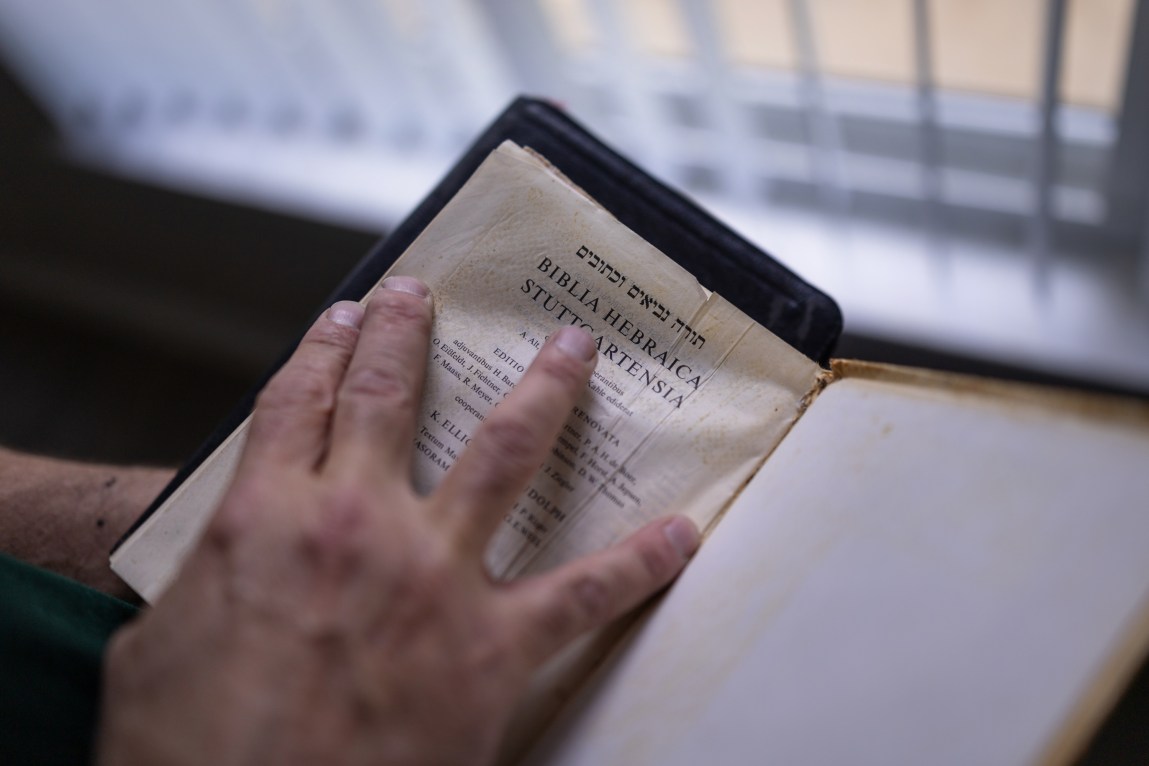
The concept of time gradually disappeared. Duncan tried to keep a strict routine: wake up, drink coffee, watch the news, exercise and read books, mainly about other cultures and religions. He learned Hebrew so he could better understand the Bible. He became a tutor and helped other inmates earn their GEDs.
But the years of confinement began to take their toll physically. After about four years, Duncan started experiencing severe heart pain caused by a bacterial infection. “By the time I was 34 years old, my health had went all the way downhill,” he said. “A lot of nights, I went to sleep, said my prayers and really didn’t think I was going to wake up the next day.”
During the summer months, when the heat inside could rise to 115 degrees, Duncan said he experienced seizures. “I’m pretty sure I got brain damage as a result of it,” he said. “There were times when I got out of bed and I didn’t even know if I was left-handed or right-handed. There were a few times when I got up, I didn’t even know my name.”
In 2013, three death row inmates sued the Louisiana Department of Public Safety and Corrections for “appalling and extreme conditions” as a result of the high temperatures. Their experiences described in the lawsuit closely matched Duncan’s. For 85 straight days in 2012, the heat index in one section of death row exceeded 126 degrees, according to the suit. A judge ordered the state to provide air conditioning throughout death row, but a federal appeals court overturned the order. The corrections department did not respond to questions about conditions within the prison.
Instead of breaking him, Duncan said the brutal conditions hardened his resolve to keep fighting. But it didn’t seem as if anyone was listening.
“Sometimes the louder you scream, the more people look at you and laugh, like, ‘There’s another one claiming he’s innocent,’” Duncan said. “I was suicidal at one point because I was hopeless.”
Signs of Hope
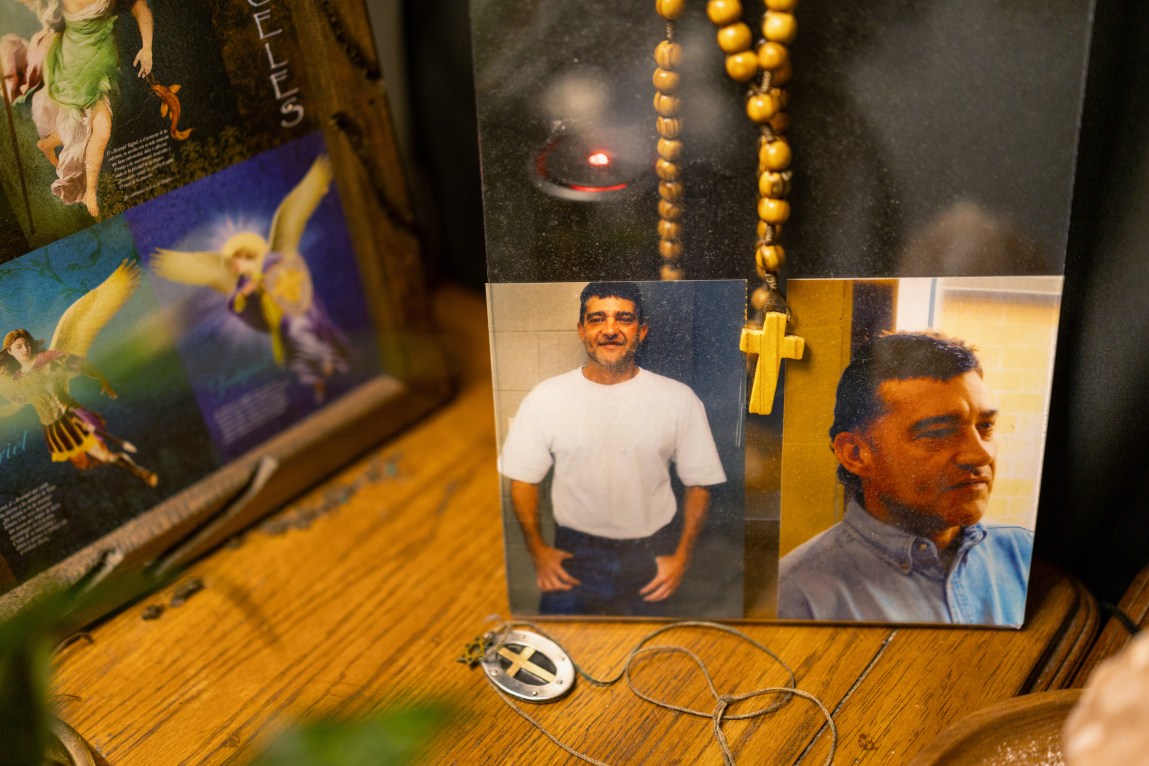
Duncan had been on death row for about a decade when he learned from his lawyers and the news that there were others like him — people convicted based on inaccurate evidence, including discredited bite mark science, presented by Hayne or West. Four of them had been exonerated by 2008, and five more would follow.
In 2009 journalist Radley Balko wrote about Duncan’s case in Reason, a libertarian magazine, and how it was part of a larger pattern of “forensics fraud” perpetrated by Hayne and West. At the time, Duncan’s attorneys with a New Orleans nonprofit had filed a post-conviction appeal but did not have the resources to conduct a fuller investigation and uncover new evidence required to win. That left his case largely dormant.
Then in 2016, Duncan’s attorneys contacted the American Bar Association, which put him in touch with an Atlanta firm that took Duncan on as a client pro bono. (The Innocence Project in New York signed on six years later.) They filed a series of discovery requests that unearthed a trove of evidence pointing to Duncan’s innocence. This included expert witnesses who said the child’s death was an accidental drowning brought on by a seizure and a jailhouse informant who recanted his trial testimony that Duncan had confessed to the crime.
Most important was a recording of West’s 1993 examination of Haley. In that grainy black-and-white video, West can be seen taking a mold of Duncan’s teeth and grinding it into and across the girl’s body, seemingly creating bite marks where none previously existed — the marks later used to secure a death sentence against Duncan. The trial judge had not allowed the jury to see the video on the grounds that it was not an indication of Duncan’s innocence.
West, who has not responded to multiple earlier requests for comment, had previously said he was simply using what he called a “direct comparison” technique — in which he presses a mold of a person’s teeth directly onto the location of suspected bite marks. He admitted in a 2011 deposition in another case that he no longer believed in bite mark analysis. Hayne died in 2020.
Atlanta attorney Christian Bromley, who had joined the case, recalled the first time he was shown the recording in 2016 and being “horrified and surprised that the video had been available at that point for over 20 years and just essentially ignored and deemed not relevant.” The video would provide the foundation for Duncan’s latest bid for freedom.
Filmmaker Catherine Legge, who spent more than three years creating a documentary about his case, also played a pivotal role. Duncan said he’s indebted to her for tracking down Statham, Haley’s mother, and convincing her of his innocence. He knows it wasn’t easy.
“Allison spent 30 years being accused of being a partner to her baby’s killer,” Duncan said.
In April of last year, then-Ouachita Parish Judge Alvin Sharp overturned Duncan’s conviction, criticizing the “questionable” work of Hayne and West. Tew appealed, claiming that bite mark evidence was an accepted science at the time of Duncan’s trial and that some experts still consider it to be a useful forensic methodology.
At Duncan’s bail hearing last July, Statham told the court that the district attorney’s office had lied about her daughter’s death to make it look like murder and continues to perpetuate the lie. She said Duncan deserved to be free. He wept as he listened to his former girlfriend come to his defense.
“Just seeing her on the stand and hearing her voice engaged in the same struggle that I’ve been fighting for 30 years, knowing that what mattered to her was the truth,” he said, “That was the only thing that mattered to me.”
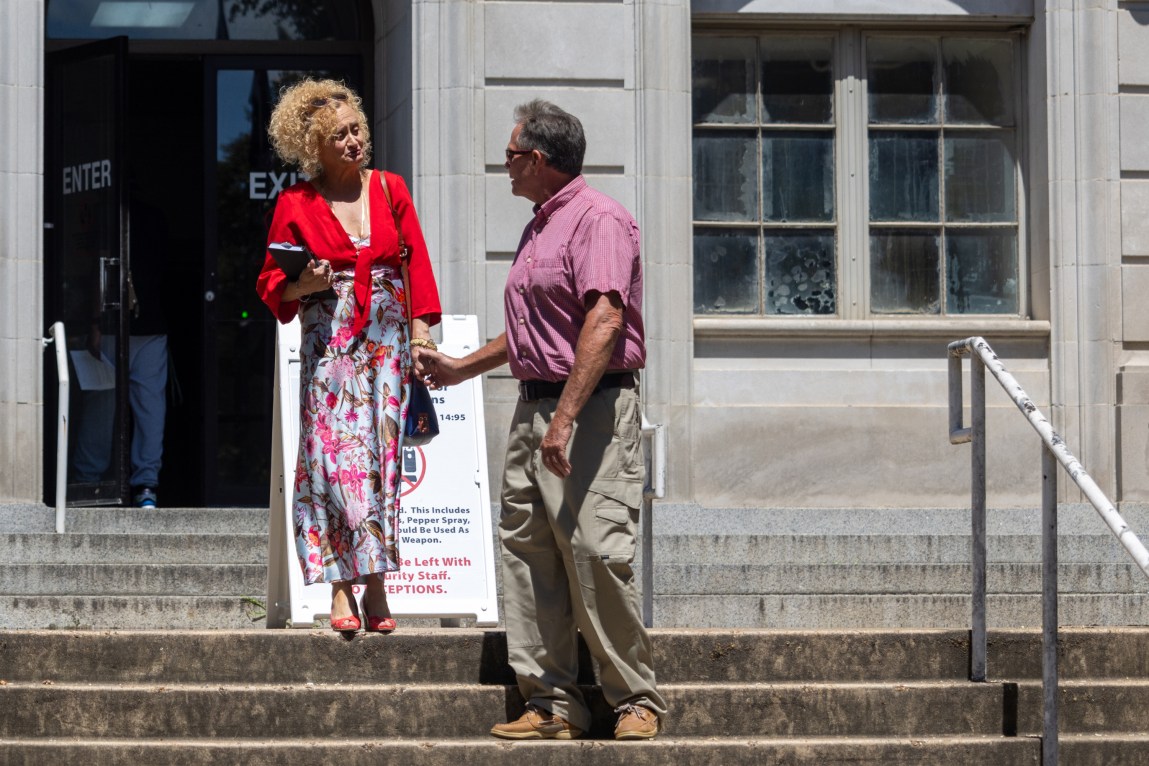
Four months later, Sharp granted Duncan bail. He was released into the embrace of his family the day before Thanksgiving. Then, this June, the state Supreme Court rejected the district attorney’s appeal and threw out Duncan’s conviction. Of the four people sentenced to death based in part on the work of Hayne or West, Duncan was the last to be freed.
Rebuilding a Life From Scratch
Since his release from prison, Duncan has been trying to piece together some semblance of a normal existence. There were the everyday logistics of finding permanent housing and a job. And then the deeper work of addressing the decades of pain that he — and his family — experienced.
At first, he slept on his aunt’s living room couch in Pineville in central Louisiana. But she broke her leg in June, which required twice-weekly visits from nurses and physical therapists, leaving little room for Duncan. That’s how Duncan ended up at the motel across the Red River in Alexandria, with half of his belongings packed into the back of a truck. In August, he moved into his own apartment, the first place he has ever lived by himself.
“I never really had a place to just be comfortable and relax,” he said.

Duncan’s main focus now is doing the best job he can at work. On most nights, he said he puts his earbuds in, listens to music, unloads the trucks and lets the world drift away. “Ain’t got to think about nothing else,” he said. But Duncan has his eye on the future and enrolled in a Walmart management training program that will bring additional responsibilities.
One day soon, though, he knows that he will need to shift his attention back to the flawed criminal justice system in Monroe and the conditions in Angola prison. He wants to make sure the horrors he experienced don’t happen to anyone else, including the guys on death row, men who were convicted of terrible crimes but with whom he still formed true friendships.
“I was under the same roof with those people twice as long as I was under the same roof with my own family,” he said.
He’s also rekindled a relationship from long ago. Recently, he was going through Facebook friend requests and saw a familiar face, but one he couldn’t quite place. He accepted, and the woman texted him a photo of herself when she was just a kid. It was his childhood sweetheart.
The last time he saw her was at a skating rink just after Christmas in the early 1980s. He had given her a pair of earrings. A short time later, her family moved out of town.
“She just disappeared,” Duncan said. “She’s one of the only people I remember from my past. I still missed her just the same as I always did.”
That part of his life seems at times to be more of a dream than reality, Duncan said. He lived a simple, country life. He hunted and fished. He drank beer, rode motorcycles and worked on hot rods. And he planned to become a firefighter like his dad.
But then Haley died.
“I can’t be a simple person anymore,” Duncan said. “I try to find ways to be happy, but nothing is simple anymore.”