



SINGAPORE: Singapore households may soon feel another squeeze in their monthly bills, with electricity prices projected to rise by around 10% from July.
Analysts expect the regulated electricity tariff to rise from 27.27 cents per kilowatt-hour (kWh) to around 30 cents per kWh, as global energy markets absorb the effects of disruptions linked to the conflict in the Middle East, according to a May 22 report by Channel NewsAsia (CNA).
Households may be paying more for energy and electricity this time around, without even realising they were using more of it.
The Middle East conflict affects Singapore’s electricity costs
Singapore generates nearly 95% of its electricity from imported natural gas, so events outside the country can affect local costs.
While Qatar supplied less than 10% of Singapore’s gas before recent disruptions, it accounted for a much larger share of global liquefied natural gas (LNG) supply. When that flow tightens, competition for replacement supply drives prices upward.
Rystad Energy senior consultant David Chew said that even if tensions ease soon, higher prices may continue for about six months. Recovery of affected supply capacity could take years.
Singapore has responded by sourcing additional LNG cargoes from places such as Australia, Mozambique and the United States, as it helps strengthen supply security, although it doesn’t eliminate exposure to higher global prices.
Solar remains part of the alternative energy source, but it’s not a quick fix
In the long term, Singapore continues to expand its energy mix. The Energy Market Authority (EMA) is studying options including geothermal systems, carbon capture, and even nuclear energy, while solar remains the most developed alternative for now.
Solar energy currently contributes a small portion of Singapore’s electricity supply, although researchers expect that share could rise as lighter and more flexible solar technologies mature.
Solar Energy Research Institute of Singapore deputy chief executive officer Thomas Reindl pointed to ideas that extend beyond rooftops: solar canopies above infrastructure, building surfaces, and future thin-film technologies that require less structural support.
Those changes help, but they won’t be reflected on the next utility bill just yet.
The hidden power cost sitting inside the house
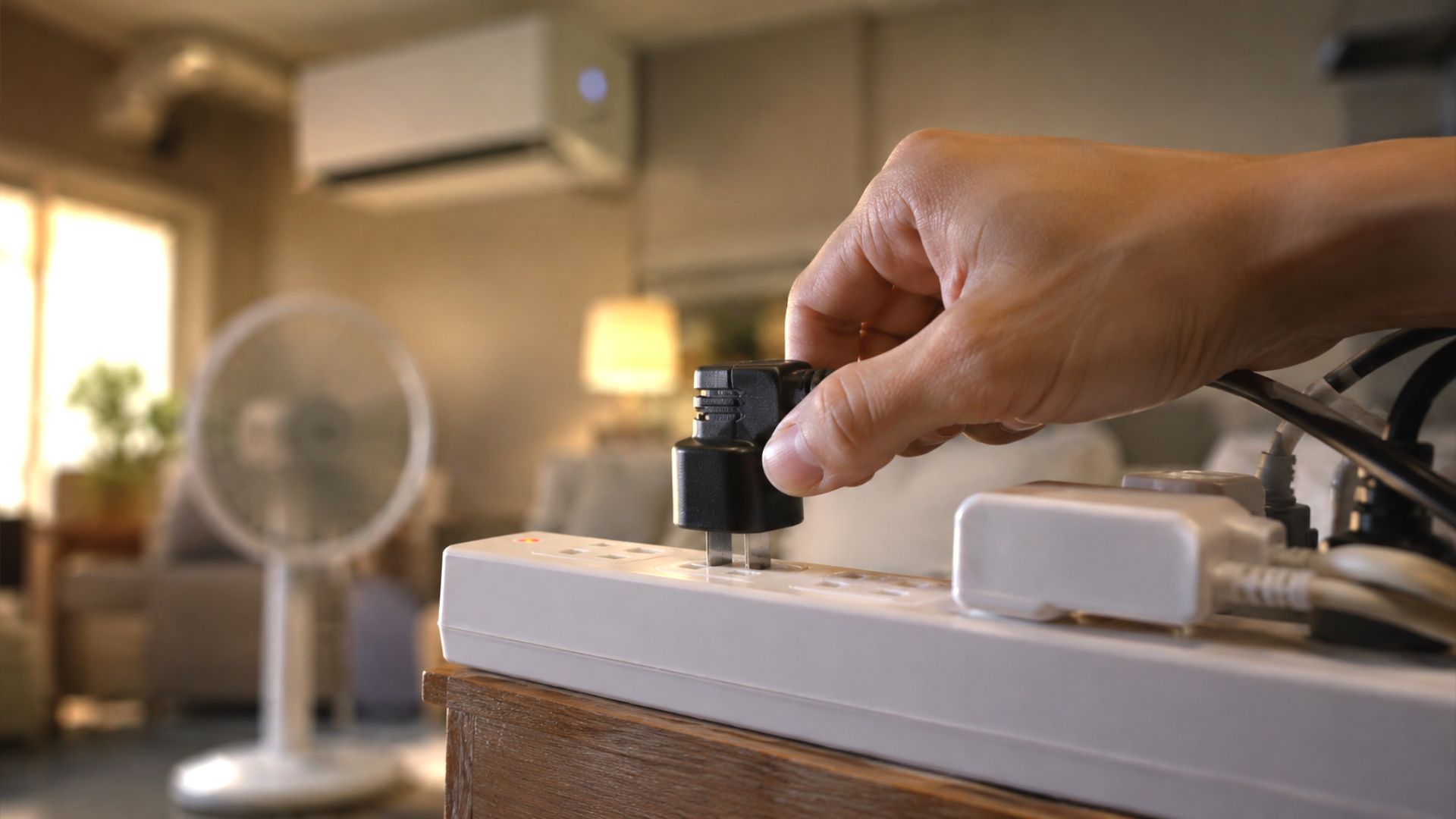
The more immediate lesson from the report may be that some households are already wasting electricity before any tariff increase happens.
Energy optimisation startup founder Eugene Chia tracked his own household’s power use and found that standby consumption was adding up across multiple devices.
Smart televisions were among the biggest contributors. Even when switched off with the remote, the standby mode continued drawing electricity. Switching off at the wall could save several dollars each month.
Water dispensers with hot and cold functions were another surprise. Constant reheating and cooling cycles kept energy flowing even when no one was using them.
Air-conditioning remained the largest consumer, making up about 60% of his household bill. Even when idle, the system continued to use electricity.
Smaller devices added up too. Sound bars, air purifiers, Wi-Fi routers, washing machines and water heaters each contributed a small monthly cost when left connected.
Choose fixed or flexible electricity plans?
Households already locked into fixed-price electricity plans may not feel immediate effects, but according to Geneco chief executive officer Lim Han Kwang, consumers renewing plans will need to weigh certainty against market movement.
Fixed plans provide stable pricing, while staying on regulated tariffs means prices can rise or fall each quarter. There is no universal best option. It depends on how much price swings matter to each household.
A small change in daily habits may help cut electricity costs
Electricity prices rise and fall, making it difficult for households to control costs, but what people can control is whether devices stay awake when nobody needs them.
Switching off unused appliances, checking standby consumption and paying attention to cooling habits will not cancel a tariff hike, but they may soften the landing. Energy savings come from many ordinary decisions repeated every day.