



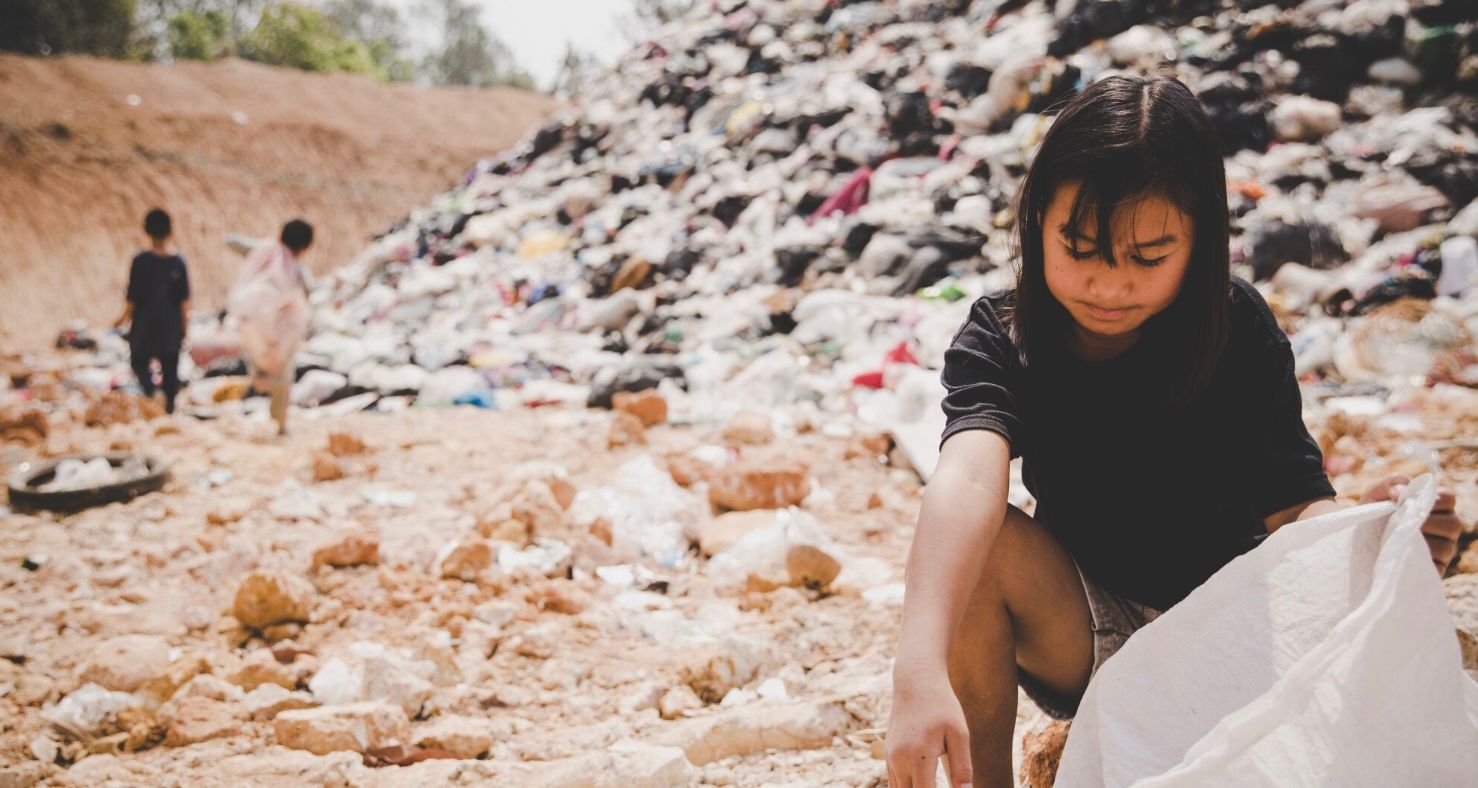
As is common when crises hit, the poorest in any society are the most affected, given that they have fewer resources to act as buffers in times of higher prices and fewer supplies.
The conflict in the Middle East has caused an energy crisis across the globe. However, Asia is the first to feel the effects of fuel shock because of its heavy dependence on oil from Gulf states.
The war, which started when the United States and Israel began bombing Iran on Feb 28, led to the effective closure of the Strait of Hormuz, through which one-fifth of the world’s fuel transits. This has caused a supply disruption and a steep increase in the price of oil, and countries in the Asia-Pacific region have been scrambling to acquire adequate supplies for domestic use.
The United Nations Development Programme (UNDP) said earlier this month that around 8.8 million individuals risk falling into poverty, with output losses of between US$97 billion (S$123 billion) to US$299 billion (S$380 billion). This is estimated to be between 0.3% and 0.8% of regional GDP.
In an article for East Asia Forum, the ISEAS-Yusof Ishak Institute’s Jayant Menon identified the least developed countries (LDCs) in Southeast Asia, Cambodia, Laos, Myanmar, and Timor-Leste, together with the Philippines, as the most vulnerable. Noting that inflation is apt to affect lower-income households more than other groups, as they have fewer resources to deal with higher prices.
Because LDCs lack their own refining capabilities, they have to buy more expensive refined petroleum, such as gasoline, diesel, and jet fuel. These countries are also more dependent on agriculture, and a lack of fuel has already cut into irrigation, harvesting, and transporting produce, threatening this year’s rice planting. Farmers are also having to deal with higher prices of fertiliser, due to a shortage from the closure of the Strait of Hormuz.
“The longer the war persists, the greater the risk of a macroeconomic and humanitarian crisis. The World Food Programme warns that, if the conflict continues through mid-2026, an additional 45 million people could face acute hunger globally. While most of the increase will be in sub-Saharan Africa, Southeast Asia will not be immune,” Mr Menon wrote, adding that “Southeast Asian governments and regional and multilateral organisations cannot control when the war ends, but they can limit its consequences by prioritising support for the most affected — the poor.” /TISG
Read also: ‘There’s nothing we can do’: Filipino farmers abandon crops as fuel costs surge