



“I don’t think that Chinese companies pay less attention to environmental protection than European companies do,” said Weiquan Wang, deputy secretary‑general of the renewable energy committee at the China Renewable Energy Industries Association (CREIA), an industry association that represents companies in China’s renewable energy sector.
Both local and central governments in China impose tight requirements on environmental impact assessments (EIA) for clean energy projects, Weiquan told Eco-Business in an email interview after his virtual participation in an onsite panel in a conference on China-Philippines renewable energy cooperation, held in Manila on 14 April.
Developers must collect at least one to two years of data before they can begin preparing a project’s feasibility study and its EIA report, with no large‑scale development allowed to move forward without these steps, he added.
Weiquan’s comments come amid growing international scrutiny of China’s renewable energy push, especially overseas, particularly in Belt and Road Initiative (BRI) markets, where some projects have drawn complaints over pollution, social impacts and weak consultation with local communities.
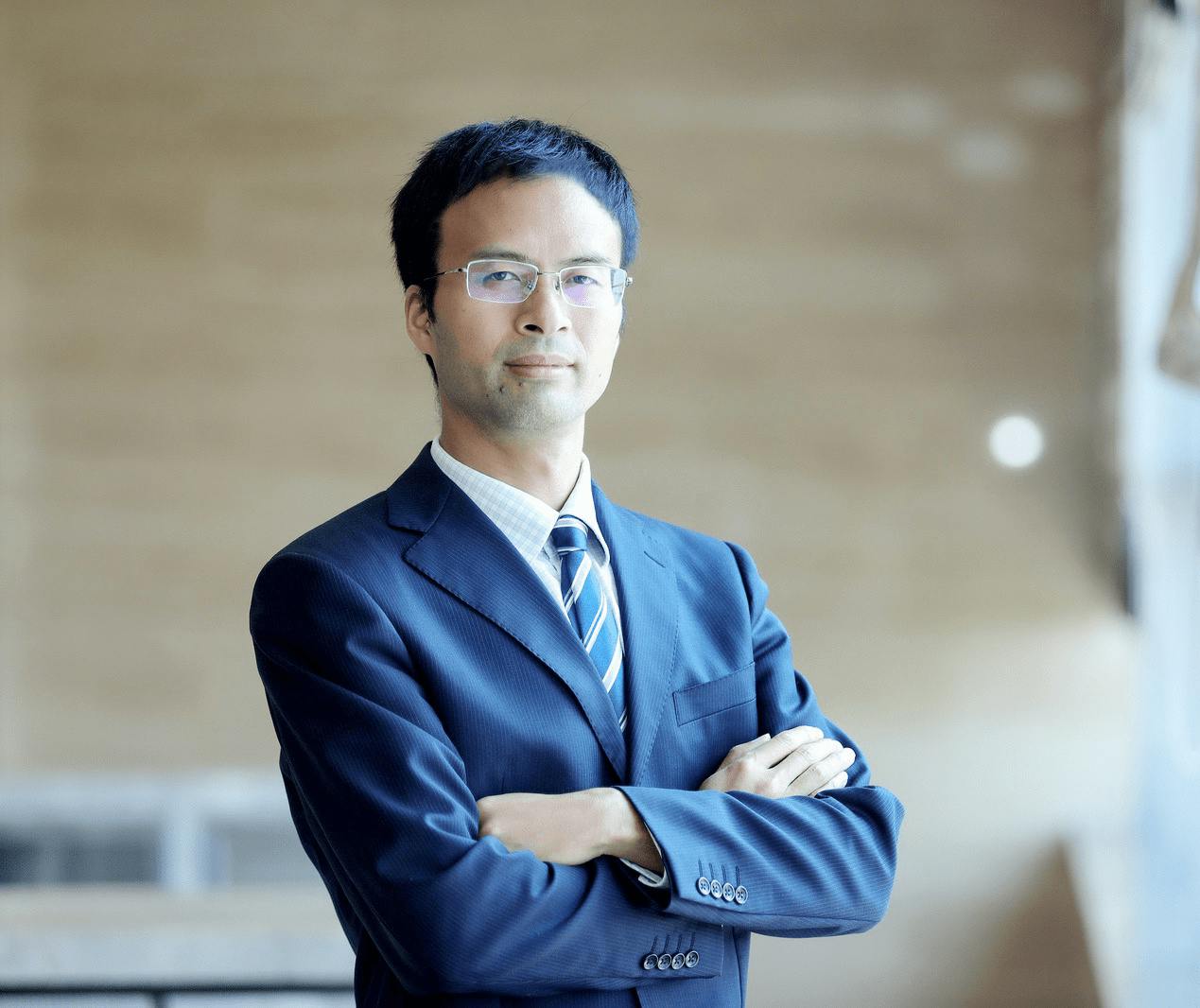
Wang Weiquan, deputy secretary-general of Chinese Renewable Energy Industries Association (CREIA). Image: Solarbe Global
The BRI is China’s flagship global infrastructure and economic development strategy, through which it finances and builds large‑scale projects such as ports, railways, highways, power plants, industrial parks and telecommunications networks to link China with developing economies in Southeast Asia, South Asia, East Africa, the Middle East and Europe.
For instance, the BRI-backed Kaliwa Dam Project in the Philippines’ Quezon and Rizal provinces has been criticised by civil society and policy researchers for environmental risks to freshwater ecosystems in the Sierra Madre mountain range, as well as the displacement of thousands of Indigenous communities. These criticisms have triggered protests and led to project delays.
Tom Wang, executive director and founder of Philippines and China-based nonprofit People of Asia for Climate Solutions, said this negative perception stems from the way many Chinese companies define their responsibilities.
“Chinese mentality is extremely pragmatic,” Tom told Eco-Business on the sidelines of the conference. “It’s about fast return on investment and what the local communities want or demand. In many BRI projects, the Chinese companies are always saying they are following local laws and regulations and they are meeting the local standards.”
Following just the host country standards has been a “very big problem”, making Chinese companies “look horrible” on the global stage by not following Chinese standards required at home, he said.
He said many firms prioritise making money as quickly as possible and see themselves as accountable mainly to two groups: local governments, whose approval is crucial for projects to proceed, and their own stakeholders and shareholders back in China. “As long as the local government is happy with the Chinese company, then the company is fine with it,” he said.
“
Chinese mentality is extremely pragmatic. It’s about fast return on investment and what the local communities want or demand [instead of following strict Chinese standards].
Tom Wang, executive director and founder, People of Asia for Climate Solutions
By contrast, European developers, many of them listed companies, are more exposed to public scrutiny at home, he added. Their brands, consumer expectations and strict disclosure rules mean any scandal can rapidly damage their market value, making them “more cautious” by default.
However, the Asian super power has started tightening expectations for its firms overseas, said Tom. In China’s latest five-year plan, a national policy blueprint that sets the country’s economic and social priorities for a five‑year period, “high-quality” Belt and Road Initiative projects are a core theme, he noted, reflecting lessons that any wrongdoing or even poor performance abroad can damage the country’s reputation.
In recent years, China has issued a wave of new policies, sometimes jointly released by up to seven ministries, making it clear that Chinese companies investing overseas must not only comply with local laws and standards, but also with China’s own standards, Tom said. Some guidance even specifies that projects should be aligned with the Paris Agreement, “which is a very high bar,” he added.
This shift gives host governments and communities in countries like Indonesia and the Philippines a stronger basis to hold Chinese investors accountable, Tom argued.
“The central government is now telling Chinese companies that their investments must be high quality, both socially and environmentally, and that they must pursue inclusive development which means they need to engage local communities, not just talking to host governments, as has too often been the usual practice,” he said.