



The International Monetary Fund (IMF) has warned that the global economy faces a “close call” of a recession, primarily due to the escalating energy crisis and geopolitical instability stemming from the US-Israeli war on Iran.
In its April 2026 World Economic Outlook report, the IMF slightly lowered its baseline global growth forecast for the year to 3.1%. However, it outlined a “severe scenario” in which growth could plunge to 2.0%, a level indicative of a global recession.
This conflict, involving US President Donald Trump and Israeli Prime Minister Benjamin Netanyahu, has already triggered wide-ranging negative impacts, including soaring fuel prices and financial market volatility.
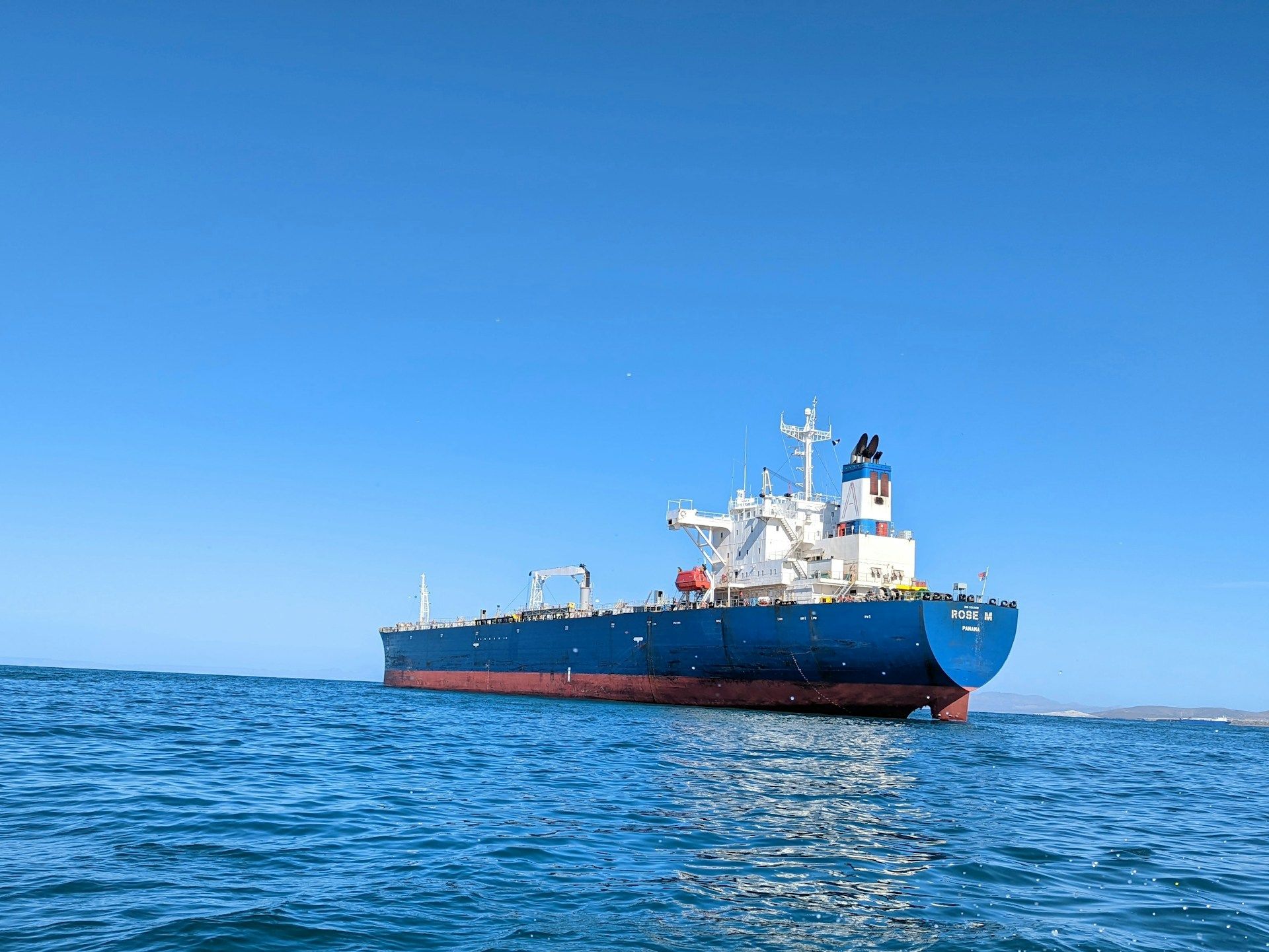
The energy crisis could be further exacerbated by continued supply disruptions, such as the current blockade of the Strait of Hormuz, which threatens to stoke inflation and further slow global economic growth.
The IMF said that even if the war ends quickly, lasting damage to the world’s economy will still happen.
Meanwhile, IMF’s Pierre-Olivier Gourinchas warns in an analysis that Middle East hostilities and energy supply disruptions now threaten to derail global growth.
He said last year ended on an upbeat note, but the war in the Middle East has halted this momentum.
“The closing of the Strait of Hormuz and serious damage to critical facilities in a region central to global hydrocarbon supply raise the prospect of a major energy crisis should hostilities continue.”
He also said in 2025, the private sector adapted to a changing business environment, “while powerful offsets came from lower US tariffs than originally announced, some fiscal support, and favourable financial conditions coupled with strong productivity gains and a tech boom.”
“Despite some downside risks, the momentum was expected to carry over into 2026, lifting the pre-conflict global growth forecast to 3.4%,” Gourinchas added.
The IMF said that “the shock’s ultimate magnitude will depend on the conflict’s duration and scale – and how quickly energy production and shipment normalise once hostilities end,” and that effects will vary by location.