



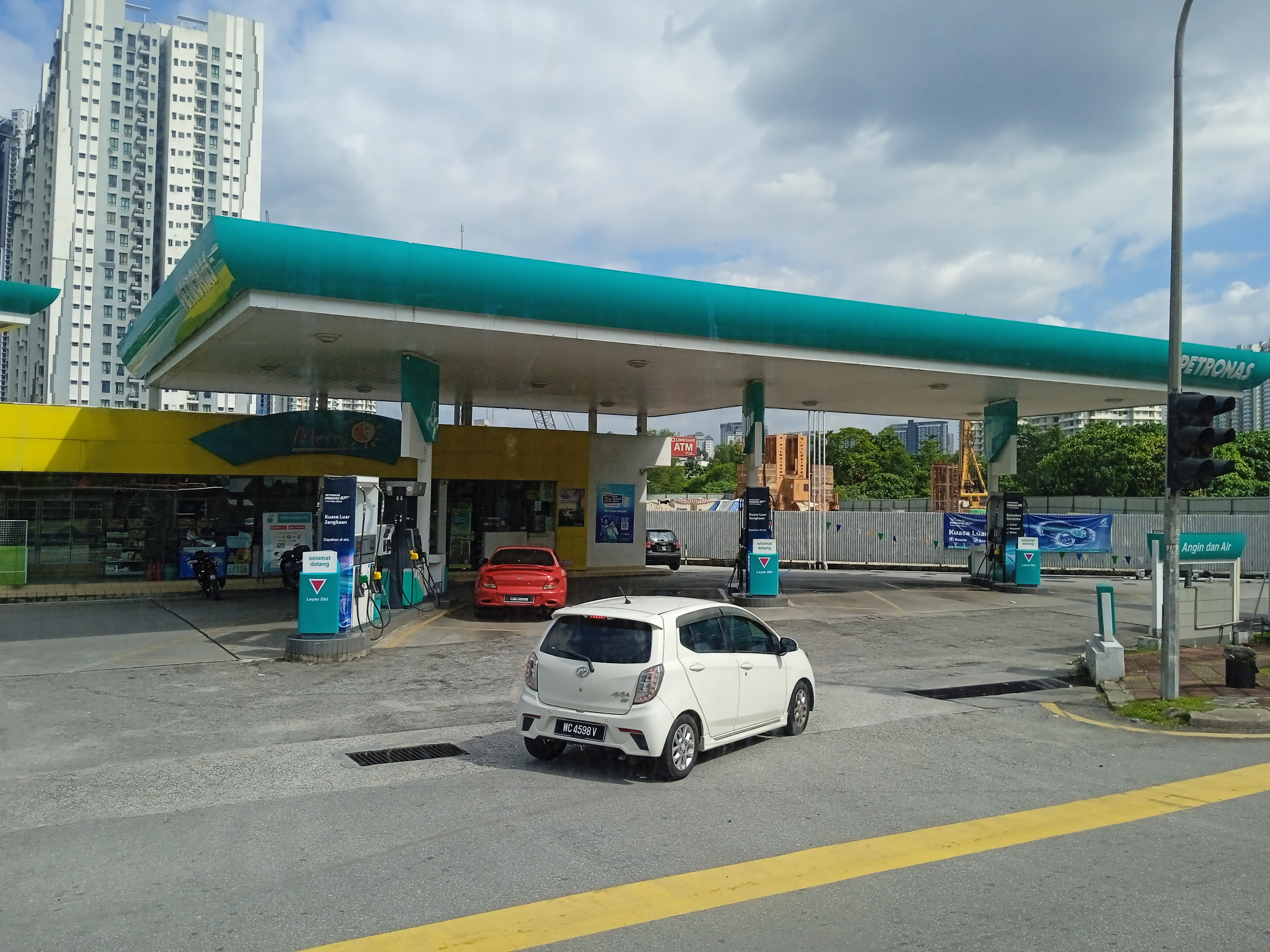
MALAYSIA: While the Middle East war has pushed global oil prices higher, Malaysia’s electric vehicle (EV) market is seeing steady growth. Rising petrol costs make traditional cars more expensive, and government policies, including incentives for locally assembled EVs and support for domestic brands like Proton, are encouraging consumers to switch to electric vehicles. The combination of geopolitical pressures and forward-looking policies has created a unique boost for EV adoption.
Policy support drives local production
The Investment, Trade and Industry Ministry has introduced stricter rules for fully imported EVs. A newly approved fully built-up (CBU) model must meet a minimum floor price of RM250,000, while tax incentives favour locally assembled EVs. This framework encourages foreign manufacturers such as BYD, Xpeng, and Tesla to maintain inventories locally or invest in assembly, helping stabilise supply. However, as reported by Malay Mail, BYD may reconsider its Malaysia plans because some policies may require export commitments for locally assembled vehicles, limiting domestic availability. The Edge notes that the policy aims to support Malaysia’s long-term automotive roadmap, ensuring fair competition and controlled market growth rather than protecting any single brand.
Early 2026 sales momentum
The impact of these policies, coupled with the war, is evident in early 2026. JPJ data shows Proton leading early EV registrations in 2026, with the e.MAS 5 recording over 3,000 deliveries in January, the highest monthly volume for a Proton EV. Proton’s sub-brand, Pro-Net, maintained its lead with 3,276 registrations in January and 1,802 in February, totalling over 5,000 units in the first two months. BYD followed with 469 units in February, while iCaur, MG, Zeekr, and Tesla also contributed, reflecting continued market expansion despite regulatory and fiscal pressures.
A silver lining for Malaysia’s EV sector
The Middle East oil shock has inadvertently strengthened Malaysia’s EV sector. Higher fuel costs make EVs a cost-effective alternative, while supportive government policies encourage adoption and local production. Together, these factors are attracting both domestic and international investment and accelerating the country’s shift toward sustainable mobility. However, the market’s growth may not be explosive, with challenges such as limited charging infrastructure, higher costs for imported models, and evolving policy incentives likely to moderate the pace of adoption. This suggests that while the EV sector is on the rise, Malaysians and investors should see the transition as steady and strategic rather than a rapid boom.