



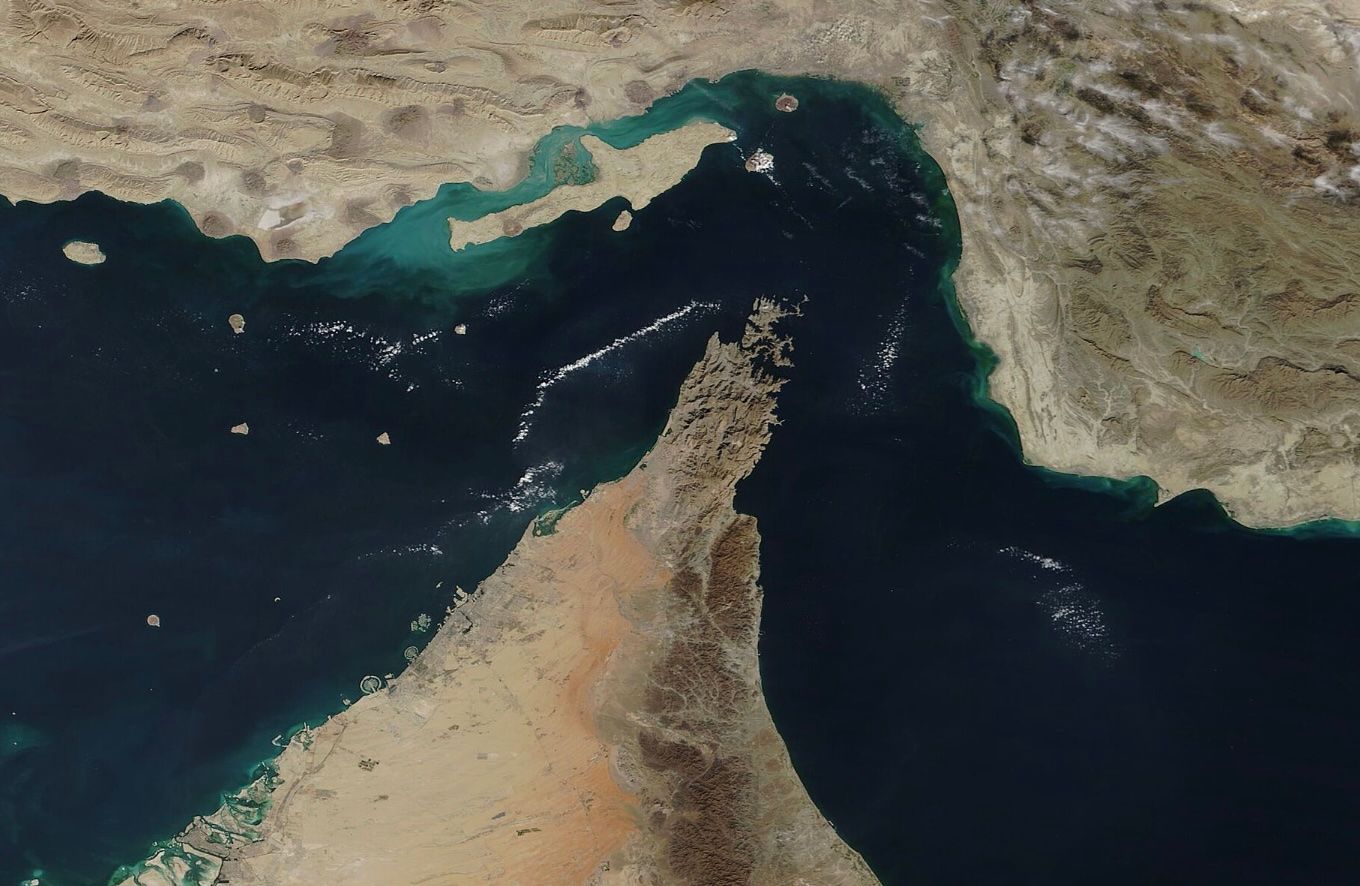
SINGAPORE: The war in the Middle East has resulted in the effective closure of the Strait of Hormuz, where 20% of the world’s supply of fuel normally passes. This has brought about a global energy crisis that has had a big impact on Asia, though other regions are bracing for severe shortages as well.
The responses from Asian countries have been varied, however. Some countries, even those that are allied with the United States, have gone ahead and made deals with Iran for safe passage for their vessels through the Strait of Hormuz.
The Philippines, for example, was the first to declare a state of emergency on March 24, less than a month after the conflict began. Last week, Tehran reassured the country that there would be “safe, unhindered and expeditious passage” for Philippines-flagged ships. Its Foreign Affairs Secretary said the agreement with Iran is key for the country to obtain fuel and fertiliser supplies.
On March 28, the Prime Minister of Thailand said his country had also reached a deal with Iran for oil tankers and other vessels to transit safely through the Strait of Hormuz.
Malaysia, meanwhile, which gets about two-thirds of its oil imports from the Gulf, said that it has a “good diplomatic relationship with the Iranian government,” and Prime Minister Anwar Ibrahim has thanked the president of Iran after tankers were allowed to pass through the Strait. On April 7, its foreign ministry confirmed that the first of seven Malaysia-owned commercial vessels that had been stranded in the Strait was already on its way to its final destination. Additionally, ships from Pakistan, India, and China are also allowed to transit through the Strait of Hormuz.
Why Singapore is an exception
In Parliament on Tuesday, Foreign Affairs Minister Vivian Balakrishnan said that Singapore will not be negotiating for safe passage through the Strait.
“There is a right of transit passage. It is not a privilege to be granted by the bordering state, it’s not a licence to be supplicated for, it is not a toll to be paid,” he said in response to a question raised by Workers’ Party MP Fadli Fawzi as to whether Singapore would look into agreements with Tehran or paying tolls for its vessels.
Negotiations would undermine the United Nations Convention on the Law of the Sea (UNCLOS). As Singapore sits on the Strait of Malacca and Strait of Singapore, accepting tolls or negotiation on Hormuz would set a precedent that other countries could apply to its own waters.
Dr Balakrishnan added, “This is another example of Singapore upholding principle, not taking sides.”
Therefore, for each country, the principle behind their decision to negotiate with Iran or not can be seen. For countries such as the Philippines, obtaining a fuel supply is a question of survival for its people. For Singapore, meanwhile, upholding a rule-based system is essential for its long-term stability. /TISG
Read also: Fuel shock to food shock: Why Singapore could feel the Hormuz fallout next