



TOKYO: Japan announced on April 15 (Wednesday) that it is providing 1.6 trillion yen (around S$12.7 billion) to help countries in Southeast Asia deal with the energy crisis brought about by the war in the Middle East.
The conflict, which began on Feb 28 when the United States and Israel started bombing Iran, resulted in the effective closure of the Strait of Hormuz, a chokepoint for 20% of the world’s fuel supply. Asia, being heavily reliant on energy from the Gulf, has suffered disproportionately after the price of oil began skyrocketing, with many countries scrambling to maintain their fuel stocks.
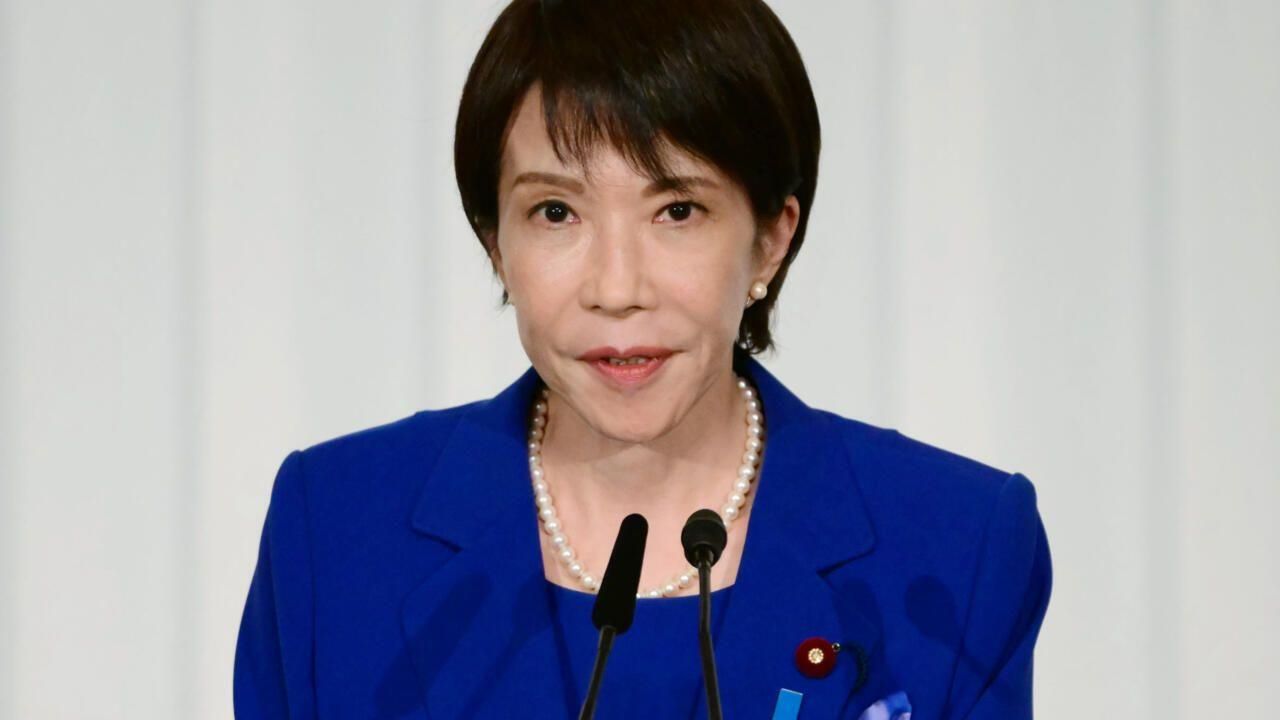
At a regional forum on Wednesday, the financial support was announced by Sanae Takaichi, Japan’s prime minister. She said that the aid package was being extended by Japan under a “partnership for strengthening Asia’s energy and resource supply resilience.”
The online summit included participants from major Southeast Asian economies, including Malaysia, the Philippines, Thailand, and Vietnam. With the rise in price of oil, Japan’s help will aid countries with fewer financial resources to purchase oil from the United States and other nations.
Mutually beneficial
However, the aid will end up helping Japan as well, given that Southeast Asia is a key manufacturer of oil-derived products necessary for the production of items as varied as clothing and plastics, and the Prime Minister expressed the hope that support from Japan will help Southeast Asia’s factories.
“Japan will not simply provide oil to countries struggling due to the situation in the Middle East but will work together with Asian countries to build a resilient energy and critical mineral supply chain,” she said.
The country is prevented by legal constraints from providing crude oil to other countries from its own reserves.
After the summit, she told members of the media in Japan that providing support to the supply chains of countries in Asia “directly contributes to strengthening the Japanese economy.”
A government source familiar with the situation was quoted in Yomiuri Shimbun as saying that a disruption in the supply chains of Asia would have an adverse effect on the economic and social activities of Japan.
The aid extended to the different countries is equivalent to around a year’s worth of Southeast Asian oil imports, the Prime Minister added.
Japan’s strategic petroleum reserves, equal to around 254 days of domestic demand, is one of the largest in the world. In March, the country began releasing stocks.
Of late, however, Japan has been grappling with a shortage of naphtha, a crude-oil derivative that is a raw material for plastics.
Medical equipment
Ms Takaichi said that the aid package would protect the lives and livelihoods of Japanese citizens, as “fuel shortages and supply chain disruptions in Asia would hinder the procurement of medical supplies from Asia to Japan.”
Earlier this month, a number of doctor and patient organisations handed in a joint request to the health ministry of Japan, asking the government to determine the medical equipment supply lines most vulnerable due to disruptions in the production of oil byproducts. Japan relies on other countries in the region for important medical items, including surgical gloves, hemodialysis equipment, and waste fluid containers. /TISG
Read also: Japan’s military buildup raises concerns in Asia, while some countries welcome it