



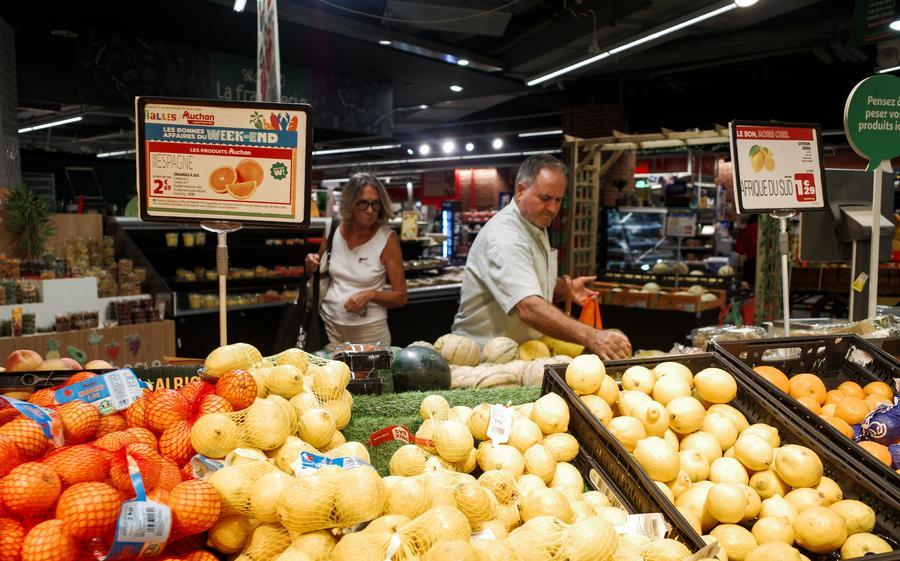
The FAO reports a rise in the Food Price Index, driven by sugar and cereal prices amid adverse weather and supply concerns.
The Food and Agriculture Organization of the United Nations (FAO) has reported that its Food Price Index averaged 133.3 points in August 2026, marking a 1.9 per cent increase from July and a 2.5 per cent rise compared to the previous year. This represents the highest level recorded since late 2022. The increase in food prices was widespread, with all five categories of commodities tracked by the FAO experiencing increases. The largest jump was seen in the FAO Sugar Price Index, which surged by 11.9 per cent month-on-month, reaching its peak since June 2025. The rise in sugar prices can be attributed to several factors, including lower production levels in Brazil, adverse weather conditions affecting crops in the European Union and parts of Asia, and India’s recent decision to allow duty-free imports of raw sugar. In addition, the FAO Cereal Price Index increased by 2.2 per cent in August, the highest level since May 2024. Wheat prices specifically rose by 2.6 per cent due to ongoing disruptions in Black Sea export logistics and reduced production forecasts resulting from unfavourable weather in Europe. Furthermore, adverse crop conditions in the United States and the European Union have heightened concerns about maize yields. The Vegetable Oil Price Index also saw a rise of 0.6 per cent, marking its third consecutive month of increases. Additionally, the Meat Price Index grew by 1.0 per cent, while the Dairy Price Index recorded a 2.3 per cent increase, ending a four-month decline. Despite this overall increase in food prices, the FAO noted that the current index remains 16.8 per cent below the record high experienced in March 2022. According to FAO Chief Economist Maximo Torero, the surge in global food prices serves as a warning regarding the increasing risks associated with climate change, geopolitical issues, and trade disruptions, all of which threaten supply stability. He emphasised that maintaining resilient supply chains and promoting open trade are essential to ensuring global food price stability moving forward.