



SINGAPORE: Singapore is asking employers to do more than just hire older workers. It wants them to rethink how jobs are built.
A new push from policymakers and industry groups is putting the focus on flexible roles, job redesign, and practical changes at the company level. The message is that older workers can stay, but the work itself must evolve.
Senior Minister of State for Manpower Dr Koh Poh Koon said many firms still struggle with two issues: limited flexible work options and a lack of know-how to retrain seniors for different roles.
He urged companies to take a more active role instead of waiting for policy fixes. Government support can help, but real change depends on what employers do on the ground, Channel NewsAsia (CNA) reports.
Older workers are becoming part of the solution for the labour market
Singapore is set to become a “super-aged” society this year. More than one in five residents will be 65 or older.
That change is already shaping hiring decisions as companies face a tight labour market, and older workers are becoming part of the solution.
Dr Koh pointed out that many seniors want to keep working. Income matters, but so does routine and social connection. There is also a health angle; staying active at work helps slow physical and mental decline.
Around 30 companies are now working with a tripartite group to test new ways of structuring careers across different life stages.
Creating new roles that didn’t exist before
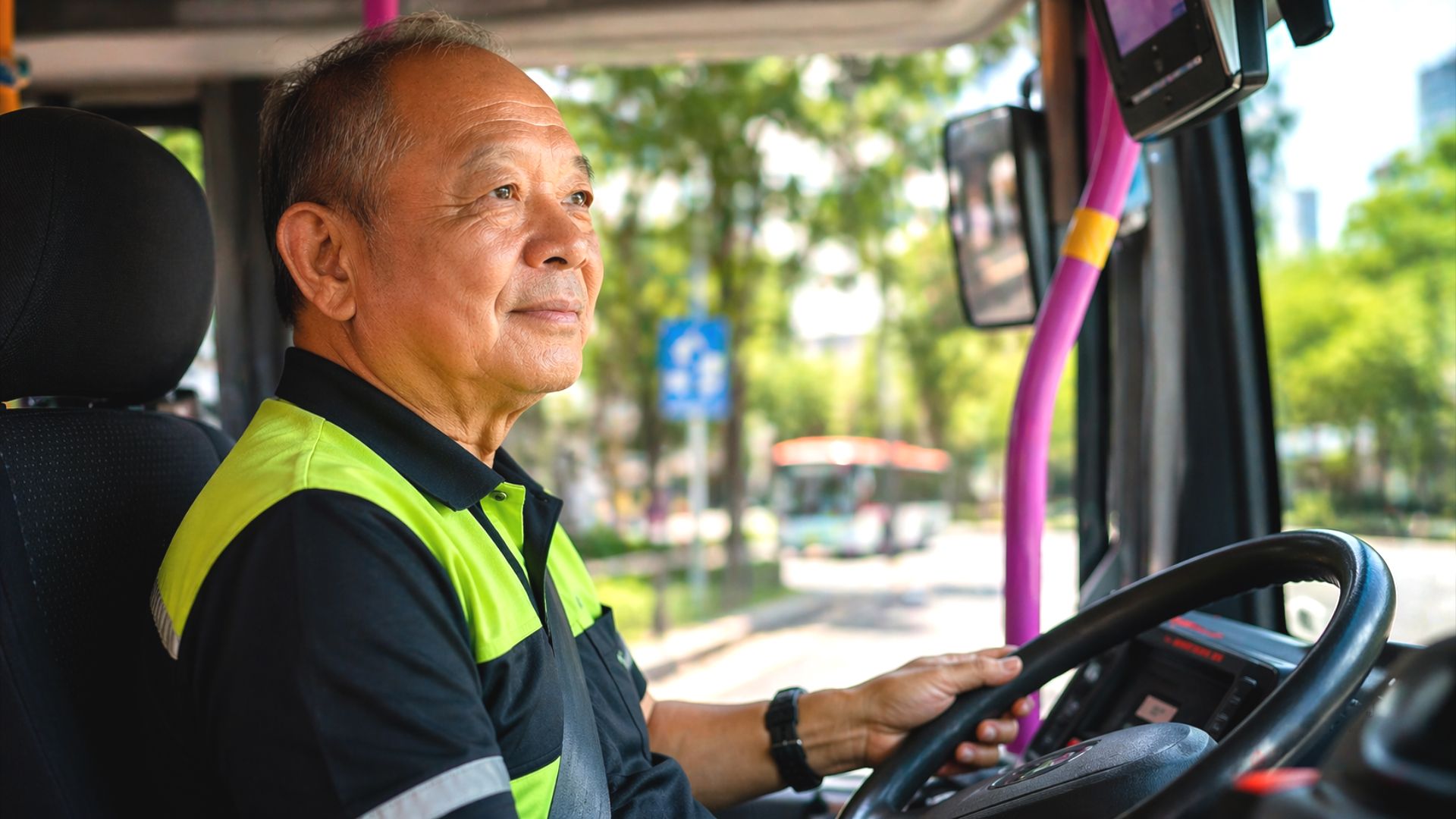
One example comes from Tower Transit, which is piloting new roles for bus captains aged 60 and above.
From May, 15 senior drivers will try out three career pathways designed to reduce physical strain while keeping their experience in play. They can rotate between driving and working as interchange officers, helping with operations and basic digital tasks.
Another option is becoming a “buddy,” guiding new drivers on routes and safety practices. A third pathway allows part-time driving. These roles didn’t exist before. They were created to stretch careers without stretching bodies.
Without such options, most bus captains would continue full-time driving until 75, the licence limit.
One veteran driver, who has spent about three decades on the job, is moving into a mentoring role instead of retiring. He plans to pass on his experience to younger colleagues.
Keeping experienced staff helps ease hiring pressure
Retention is a key factor. Tower Transit employs about 1,600 bus captains, with 14 per cent aged 60 and above. Keeping experienced staff helps ease hiring pressure.
Managing director Winston Toh said the challenge is making these changes work without raising costs. The company will review the pilot after a year before deciding whether to expand it.
Beyond job redesign, the company has introduced tools like wearable exoskeletons to help older technicians handle physically demanding tasks. The goal is to keep skilled workers productive for longer.
Singapore National Employers Federation vice-president Tan Hwee Bin described these efforts as practical steps that demonstrate how companies can better deploy senior workers and ease labour shortages.
Rigid roles built for younger workers no longer fit an ageing workforce
The bigger picture is less about extending retirement and more about redesigning work itself.
Companies that adapt early may find it easier to retain experience, reduce hiring pressure, and maintain operational stability.
Those who don’t may face growing strain as the labour pool tightens.
Enabling people to work in different ways as they age
Keeping seniors employed shouldn’t mean asking them to do the same job for longer. It means reshaping work, so experience matters more than physical strain.
The companies that get this balance right will solve manpower issues and build workplaces that reflect the reality of Singapore’s demographic shift.
A practical next step is to review existing roles, remove unnecessary physical demands, and create pathways that enable people to contribute in different ways as they age.
Read related: Singapore employees fear job loss amid higher flexible work approvals