



Obesity – which the World Health Organization classifies as a disease – is not just an individual issue; it is shaped by the systems people live in. Research shows that urbanisation, economic status and food marketing strategies, for example, play a role along with more personal factors.
More than 890 million adults were living with obesity worldwide in 2022, a number that had more than doubled since 1990. In the WHO African region, the prevalence of adult obesity increased from 8.64% in 2010 to 12.08% in 2022. South Africa had the highest proportion of obese adults in 2022, three in 10 adults, followed by Eswatini and Seychelles. In the same region, child obesity’s prevalence almost doubled in 12 years, from 2.92% in 2010 to 5.27% in 2022.
To mark World Obesity Day on 4 March, we’re sharing some of the articles our authors have contributed in the past.
Shocking rise in obesity levels across Africa
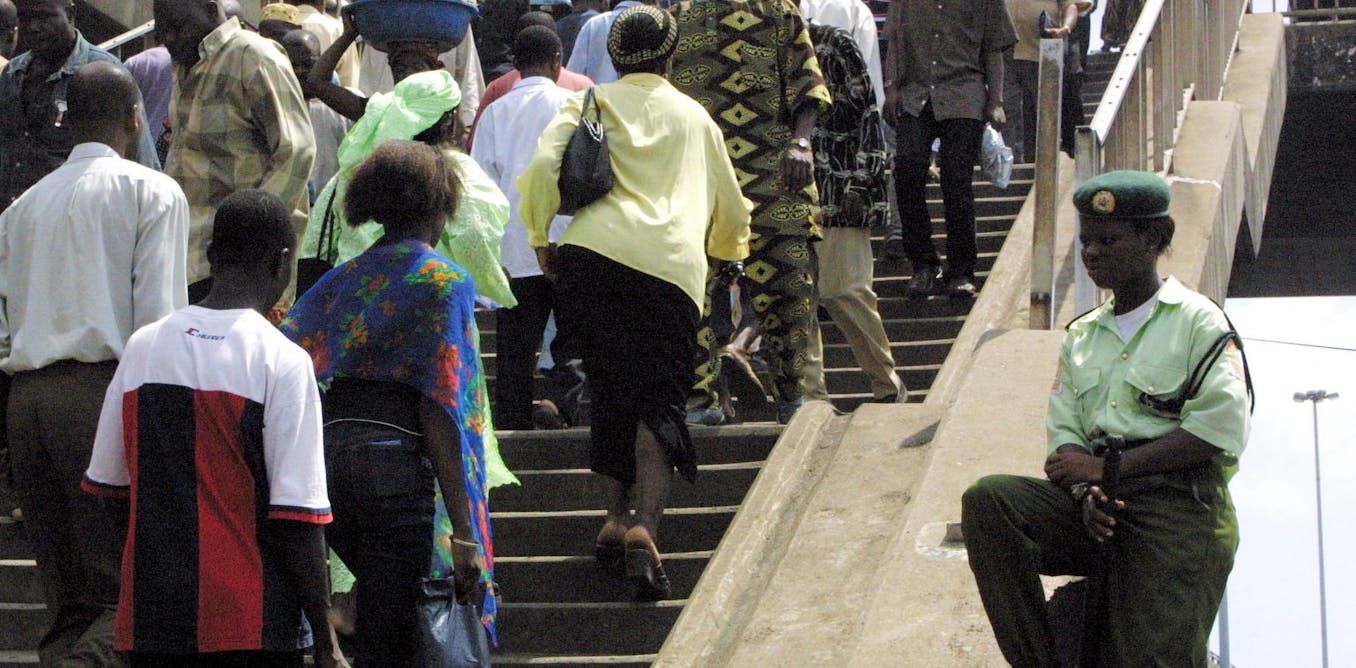
Rapid urbanisation and associated changes in people’s lifestyle mean Africa faces a growing obesity problem. Increased urbanisation is associated with lifestyle changes such as decreased physical activity. This is often accompanied by increased intake of high caloric fast foods and sugar-sweetened beverages.
What policy interventions can help Africa fight obesity? Dickson Abanimi Amugsi says governments should encourage people living in urban areas to adopt healthy diets, increase physical activity and reduce weight. Governments should also intervene through policy to address over-consumption of unhealthy diets.
Read more:
Research shows shocking rise in obesity levels in urban Africa over past 25 years
Warning labels are important
One change that can help in the fight against obesity is to put warning labels on unhealthy foods. For South Africa, where half of the adults are overweight or obese, Sameera Mahomedy says the adoption of nutrition warnings can help combat obesity and cardiovascular disease.
The effectiveness of such warnings is also supported by international evidence.
Read more:
Half of all South Africans are overweight or obese. Warning labels on unhealthy foods help change that
No more sugar for baby food
Children shouldn’t eat any added sugar before they turn two. Studies show that adding sugar to any food for babies or small children predisposes them to having a sweet tooth. They start preferring sweet things, which is harmful in their diets throughout their lives.
Susan Goldstein argues that unnecessary sugar contributes to obesity. This can lead to serious health conditions such as diabetes, high blood pressure and other cardiovascular diseases, cancer and joint problems among others.
Read more:
Sugar in baby food: why Nestlé needs to be held to account in Africa
Obesity and economic status
Research in Nairobi, Kenya found that there was an association between relatively higher economic status and levels of obesity in a slum setting. The study suggests that obesity levels are higher in the higher economic brackets – and particularly among women.
Shukri F. Mohamed and Tilahun Haregu found a strong association between body mass index and socio-economic status. Women higher up the economic ladder were more likely to be overweight. The association was higher for women than for men.
Read more:
Obesity and economic status: what we found in Kenya’s slums
Food systems need to change
Unhealthy, processed foods are now frequently consumed in low- and middle-income countries. This is largely due to the low prices, food types, availability and marketing strategies employed by large corporations. Healthier food options are relatively expensive and unaffordable in low- and middle-income countries. This influences people to steer away from healthier options.
Rina Swart, Makoma Bopape and Tamryn Frank advocate that countries in sub-Saharan Africa should regulate the food industry better to protect against industry interference that harms the population.
Read more:
Food systems need to change to promote healthy choices and combat obesity