



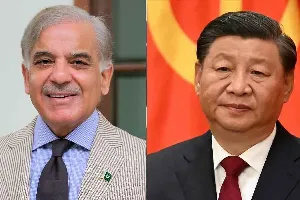
China may play a crucial role in mediating a truce between Iran and the United States, shaping future diplomatic engagements.
Recent discussions have raised the possibility of China acting as a key mediator in achieving a truce between Iran and the United States. The potential for Beijing to facilitate peace talks stems from its unique position as a global superpower with significant influence in the Middle East.
Experts suggest that China’s longstanding relationships with both Tehran and Washington could enable it to act as a bridge in the fractured ties between the two nations. Analysts believe that China’s strategy of expanding its global influence includes taking a proactive role in international diplomacy, particularly in regions where it has notable economic interests.
China has become increasingly involved in Middle Eastern affairs, investing billions in infrastructure and energy projects. This economic entanglement gives Beijing a vested interest in maintaining stability in the region, which could lead to a more conducive environment for negotiations.
In recent years, the relationship between Iran and the US has been characterised by escalating tensions, marked by sanctions and military confrontations. As both countries seek to recalibrate their foreign policies, they might find it advantageous to engage in dialogue through a neutral party.
Observers note that the timing of this potential mediation comes at a critical juncture, as both Iran and the US confront internal and external pressures that could benefit from a de-escalation of hostilities. If a successful framework for conversation can be established, it might pave the way for a broader agreement addressing various regional issues.
Furthermore, some analysts argue that a successful mediation by China could enhance its standing as a global leader and solidify its influence in international politics. However, others caution that the complexities of the situation may pose significant challenges. Long-standing grievances between the two nations and regional dynamics could complicate efforts to forge a lasting resolution.
Ultimately, the evolving geopolitical landscape may hinge on China’s ability to broker a truce that meets the interests of both Iran and the United States.