



KEY TAKEAWAYS
-
Cop31 highlighted how, even though small island developing states’ climate leadership faces growing challenges, its influence is evolving.
-
Two-speed multilateralism offers new opportunities but also creates risks.
-
Pacific leadership on climate issues is visible through coordinated diplomatic positions, efforts to further ocean-related commitments, legal initiatives and international partnerships.
As nations are failing to meet their climate obligations, Small Island Developing States (SIDS) such as those in the South Pacific like Fiji, Vanuatu or Tuvalu keep on demonstrating diplomatic leadership in international climate negotiations. While the foundation of their influence has received significant attention throughout literature (for i.e.1; 2; 3), SIDS leadership has reached a critical juncture and was once again put to the test at this year’s Cop talks.
The tipping point of their influence is founded on three major forces: a growing pushback against neoliberal globalisation, intensifying rivalry among major world powers, and the fast-worsening impacts of climate change. Forces that have resulted in growing cuts in public funding towards climate finance and Overseas Development Aid (ODA), but also a climate backlash, notably in the West, with the climate agenda being overtaken by security, strategic autonomy and competitiveness matters, combined with ripple attacks to multilateralism and the rule of law.
Climate leadership becomes framed as conditional; only advanced when circumstances allow, while putting under serious strain the conditions for habitability and statehood of many countries and communities.
As the latest UNEP report confirms, the world is set to cross the 1.5°C line of global warming and there are no good outcomes above this temperature threshold. Meanwhile, the Paris Agreement is for many reaching “its implementation phase”, but at what cost?
With all these conditions reunited, can SIDS still influence international climate
negotiations? This is the core query of my research and this analysis.
My analysis attempts to answer this question by seeking to unpack SIDS strategies for influence in climate diplomacy, which new avenues are sought, and their perceived outcomes, notably from the pre-Cop hosted by Fiji and Tuvalu, a tribute to Pacific leadership, to the UN’s Cop31 summit in Turkey, which was deemed a failure for many.
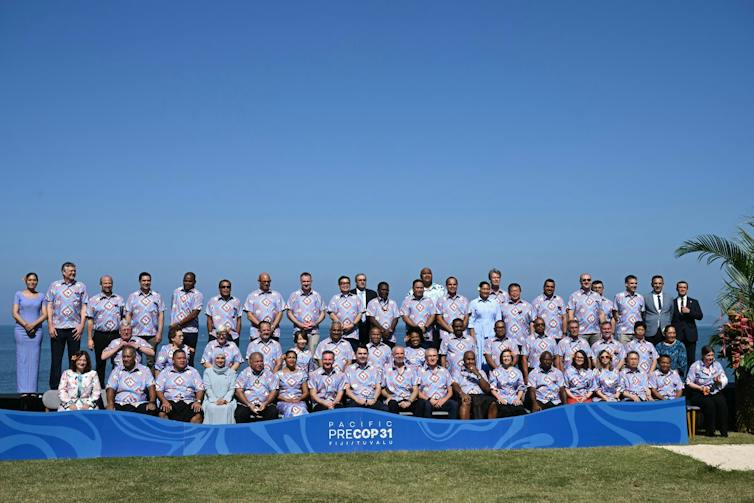
The meetings held in the Fijian city of Nadi were a precursor to the larger UN-sponsored Cop31 in November.
Saeed Khan / AFP
Exploring ‘two-speed multilateralism’
The notion of “two-speed multilateralism” lies at the heart of the analysis. The first “speed” or the traditional UN consensus-based, and Paris Agreement bottom-up, non-binding process, has failed to deliver climate action at the speed required. It is therefore being complemented by a second “speed”: smaller coalitions of the willing seeking to escape from those countries blocking progress by advancing practical initiatives and voluntary roadmaps.
The Santa Marta conference, which took place last year in Colombia on Transitioning Away from Fossil Fuels (TAFFF), demonstrates such two-speed multilateralism, as is the Advisory Opinion (AO) on clarifying climate obligations sought at the International Court of Justice (ICJ). At the heart of such processes are SIDS diplomatic efforts. Tuvalu, together with Ireland, will be hosting the next TAFFF conference, while Pacific Island students sought endorsement from Vanuatu, who carried through the ICJ AO on clarifying climate obligations from the Court to the UN General Assembly and the UNFCCC.
Coalitions of the willing ultimately aim to convince others to sign alongside them, reversing power dynamics, to then re-enter the traditional negotiation space with the possibility of new outcomes. Yet, they can also undermine trust and good relationships, exacerbate ‘in-group’ versus ‘out-group’ dynamics and further divisions in the UNFCCC, and might have reverse effects of undermining the completion of an agreement.
The pre-Cop31 held in Fiji and Tuvalu early October sought to bring “Taku
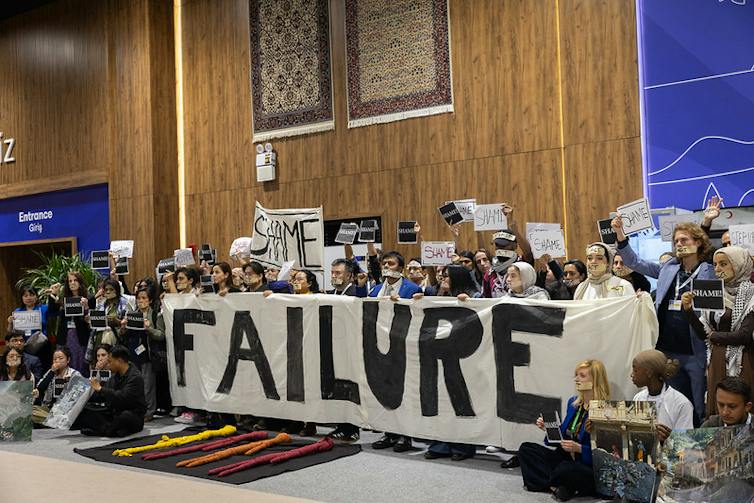
Pakasoa” (strength in unity), through the “Vale ni Vanua” (knowledge exchange) and its leaders’ meeting. This positive spirit soon vanished, as Cop31 was subsequently hailed the “worst Cop ever” and a failure to young generations by civil society.
Cop31 post-mortem
What can this sense of failure be attributed to? The latest version of the final political decision, as laid out in the Antalya Pact, failed to even mention fossil fuels – and the TAFFF, the ICJ Advisory Opinion, while proposing carbon capture, utilisation and storage deployment up to a gigatonne by 2035. A text explicitly rejected by Panama, Marshall Islands, Belize, Norway, Vanuatu, the European Union, and the United Kingdom.
© UN Climate Change – Kiara Worth, CC BY-NC-SA
Cop31 was therefore marked by a failure to seal a deal underpinned by geopolitical fractures over fossil fuels, climate finance provisions, but also the IPCC reporting timelines, and synergies with the other Rio conventions.
Coalitions of the willing in two-speed multilateralism provide solid ground to help explain the outcomes of Cop31, with the advancements of these groupings coming in stark contrast with the laggards in climate action. The following are examples of such actors:
Yet by looking beyond the heart of negotiations, not only do we find the laggards but we also witness the resurgence of climate action leaders. “We are all beating to the same drums and singing the same songs”, was the message shared by Pacific negotiators, highlighting the importance of the continuity of discourses and positions among SIDS. This was demonstrated in the traction given to oceans, which were mainstreamed across this year’s Cop talks thanks to Pacific leadership, with the support of the presidency, African nations and the European Union. Yet many ocean commitments found themselves in the cover decision that failed to be adopted.
Fiji was quick to propose a standalone decision on oceans based on the cover text’s ocean section, but this was ultimately not taken further by the presidency.

Saeed Khan / AFP
Fiji’s climate minister Lynda Tabuya nevertheless vowed to“bring ocean
commitments back” and “keep working with all parties to see them land”.
If we want to paint the whole picture of the diplomatic performances at Cop31, certain acts of leadership should also be remembered for counterbalancing obstructing forces (for i.e. see literature on obstruction here.
In this David vs Goliath battle, what realities co-exist and the kind of leadership they aspire to should also help determine the future of climate negotiations. From Niue who was just awarded, during Cop, the Ocean Earthshot prize, to the 11th cohort of AOSIS fellows who just completed their negotiator’s training programme, meanwhile Fiji has been co-facilitator of the Ocean-Climate dialogue together with Belgium for the past two years. Just to name a few examples, Islanders are taking leadership positions and commitments across and beyond the negotiations to ensure their voices are echoed and recognised.