



JAPAN: Japan is undergoing its biggest military transformation since World War II, with a record defence budget for 2026. Given the country’s history, this is making some countries in Asia nervous. Others, however, are greeting it as a welcome development.
The military buildup, with a focus on long-range standoff missiles, drone technology, and space security, is meant to counter regional tensions. Japan announced the aim to bring defence spending to 2% of its GDP by next year as part of a five-year, 43-trillion-yen plan. For this fiscal year, it allocated more than ¥9 trillion (S$73.7 billion) for defence.
Tensions with China
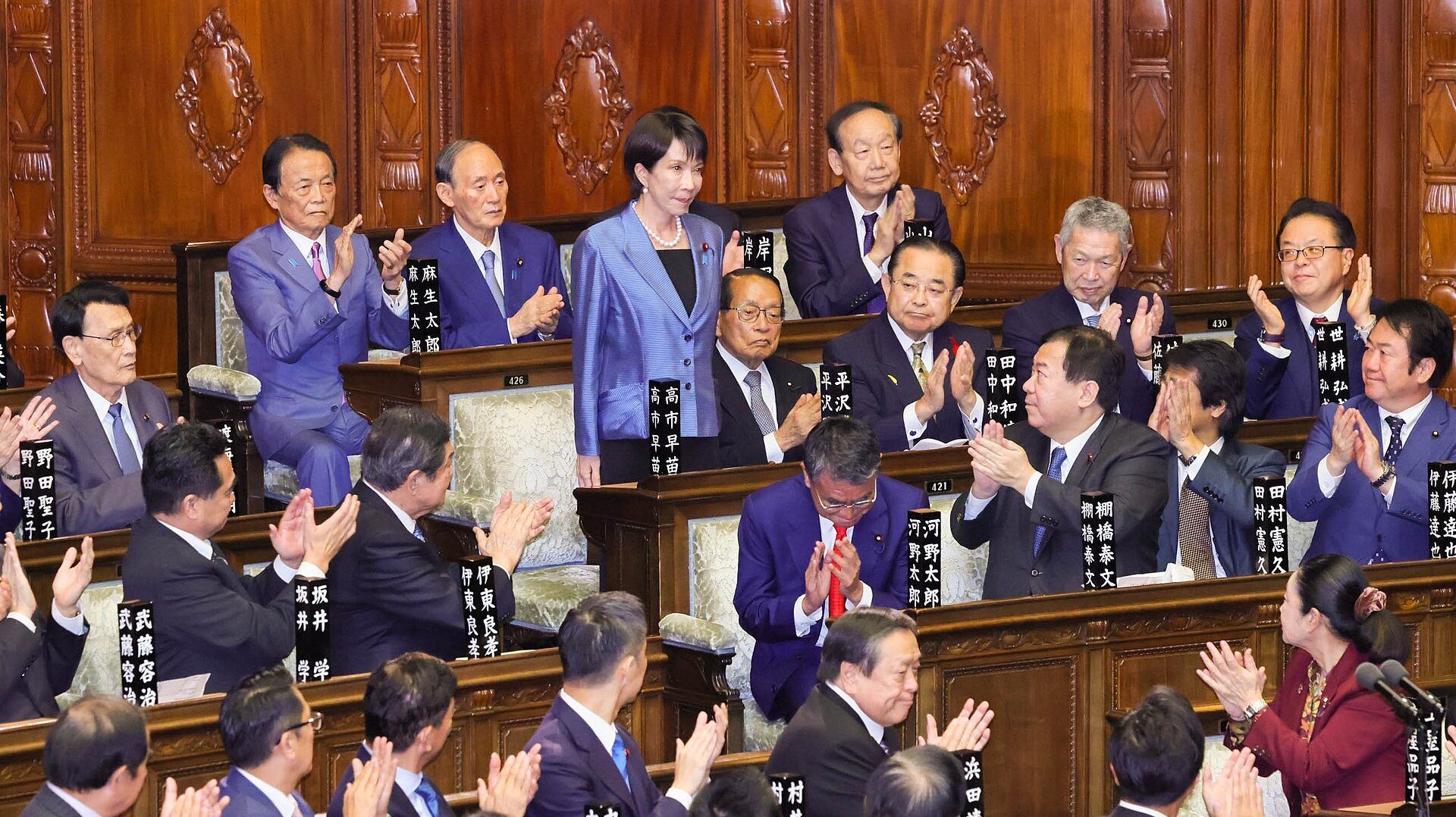
Tensions between China and Japan escalated last November due to disagreements over Taiwan, which China considers part of its territory, and Japan sees as an important partner. In early November, Japan, under its new Prime Minister Sanae Takaichi, suggested that it could respond with military force if Taiwan were to be attacked.
A piece published in The Diplomat in October noted that China was “worried” about Japan’s new prime minister, who had framed China consistently as a strategic threat.
Growing nervous?
This week, a piece in the Chinese state-owned Global Times quoted three academics as saying that Japan’s military buildup is eroding trust in Southeast Asia, pointing to expanding arms exports, troop deployments abroad, and endeavours to revise the pacifist constitution.
In the piece, Rommel Banlaoi, the director of the Philippines-China Studies Center at Diliman College and president of the Philippine Society for International Security Studies, writes, “Southeast Asian countries regard this problematic military recalibration with utter suspicion. The Philippines, Indonesia, Malaysia, and Singapore, for example, all endured Japanese brutal occupation during WWII. Those painful experiences continue to shape perceptions of Japan’s military resurgence.”
To be fair, aside from the Global Times, others have expressed concerns over Japan’s increased military spending and endeavours to change its pacifist constitution.
Support for Japan
However, not everyone feels this way. In January, the Philippines and Japan signed two defence agreements, hailed as mutually welcome by the US’s two biggest allies in the region. Vietnam, which has strong partnerships with the US, Japan, and India, is increasing maritime security cooperation with Japan as well. Amid China’s moves in the South China Sea, Japan’s advances are seen to restore the balance of power.
Thailand, meanwhile, another longstanding US ally, has been open to diversified partnerships, including with Japan. While not strategically aligned, Thailand has participated in regional defence initiatives involving Japan as well as industrial and military cooperation frameworks. /TISG
Read also: Japan’s Takaichi tries to reaffirm alliance with Trump as he seeks help securing Strait of Hormuz