



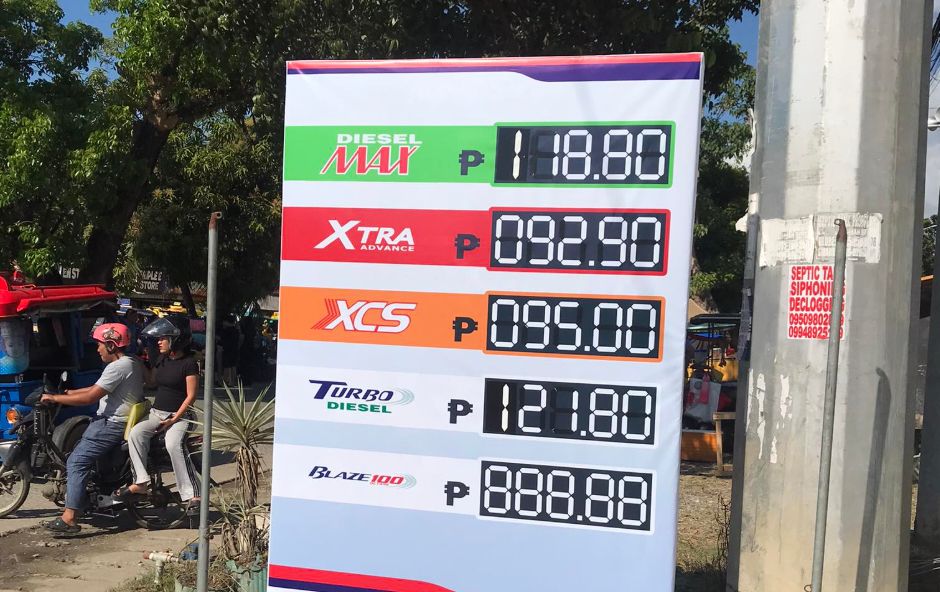
The war in the Middle East is no longer a distant geopolitical crisis; it is quietly draining billions from Asian economies.
With the Strait of Hormuz effectively constrained, governments across Asia are being forced into costly emergency measures to keep fuel, electricity, and transport prices stable. From Southeast Asia to developed economies like Japan and Australia, billions are being deployed not to grow economies, but simply to prevent them from overheating.
While this has resulted in significantly higher prices across the globe, Asia, which gets more than 80% of its fuel from the Gulf, has been disproportionately affected, specifically Southeast Asia.
Southeast Asia, heavily dependent on Gulf energy imports, is bearing the brunt of the shock.
In Malaysia, the budget allocation for keeping a fixed price for transport fuel used to be RM 700 million (SGD 23.5 million). Now, it is spending RM 4 billion (SGD 1.27 billion) a month for this, as well as for financial aid for specific operators of diesel vehicles.
Indonesia, meanwhile, has also endeavoured to keep the price of fuel prices and electricity tariffs down, earmarking IDR 381.3 trillion (SGD 29 billion) for subsidies as well as compensation to the state energy and utility companies. The government is also saving money in fuel subsidies as it has cut down the number of days when free meals are offered.
Until April 15, the tax on environmental protection, as well as a special consumption tax on gasoline, jet fuel, and diesel, has been suspended in Vietnam. This has decreased the government’s monthly revenues by VND 7.2 trillion (SGD 531 million).
In the Philippines, the government is tapping into an emergency fund of PHP 20 billion (SGD 426 million) for the purpose of strengthening fuel security. It intends to buy as much as two million barrels of oil, refined products, and liquefied petroleum gas, to ensure supply for domestic needs.
In Singapore on April 2, Prime Minister Lawrence Wong acknowledged that “significant risks” lie ahead and announced the formation of the Homefront Crisis Ministerial Committee to update contingency plans and formulate new ones as the situation unfolds. To help households and businesses, the support measures announced in Budget 2026 are being rolled out, including the enhanced U-Save rebates of SGD 110 to SGD 190 this month to help households cope with higher electricity costs. Mr Wong added that more details concerning enhanced measures and targeted support for more severely affected sectors will be shared in Parliament next week.
Thailand, meanwhile, is planning to reduce oil taxes and take other measures to cushion consumers from the impact of higher fuel prices. During the fuel crisis in 2022 that stemmed from the war between Russia and Ukraine, it cost the country THB 430 billion (almost SGD 17 billion) due to measures to keep diesel and petrol prices low, as well as lost revenue.
Other countries
Excise taxes on diesel and petrol in India have gone down, costing the government around SGD 1.9 million a month.
In Japan, the endeavour to subsidise gasoline prices to keep them at JPY 170 (SGD 1 .37) per litre is costing the government as much as JPY 300 billion (SGD 2.4 million) monthly. It announced it will be using JPY 800 billion (SGD 645 billion) from reserves.
South Korea is targeting funds toward low-income earners, the youth, and companies with a supplementary budget of KRW 26.2 trillion (SGD 22.3 billion) for approval next week.
For three months, Australia will halve excise taxes on diesel and fuel, for three months as well as remove the heavy road user fee. The endeavour will mean less revenue worth AUD 2.55 billion (SGD 2.26 billion).
Finally, in New Zealand, temporary cash aid will be given to low-income families, with the government handing out NZD 50 (SGD 37) each week. A full year of this would cost NZ$ 373 million (SGD 73 million). /TISG
The cost of the Iran war is not just measured in military terms or oil prices, but in the mounting fiscal burden placed on governments across Asia.
What began as a regional conflict is now reshaping national budgets, forcing countries to spend billions simply to maintain normalcy. And if the disruption at the Strait of Hormuz persists, these temporary measures may soon become long-term economic liabilities.
Read also: Iran war is putting Asia’s migrant workers at risk, but many can’t go home